

1 ducat – Denmark
Add to wishlist
Denmark
Context
Material
References
KM: #
Numista: #146234
Value
Bullion value: $513.43
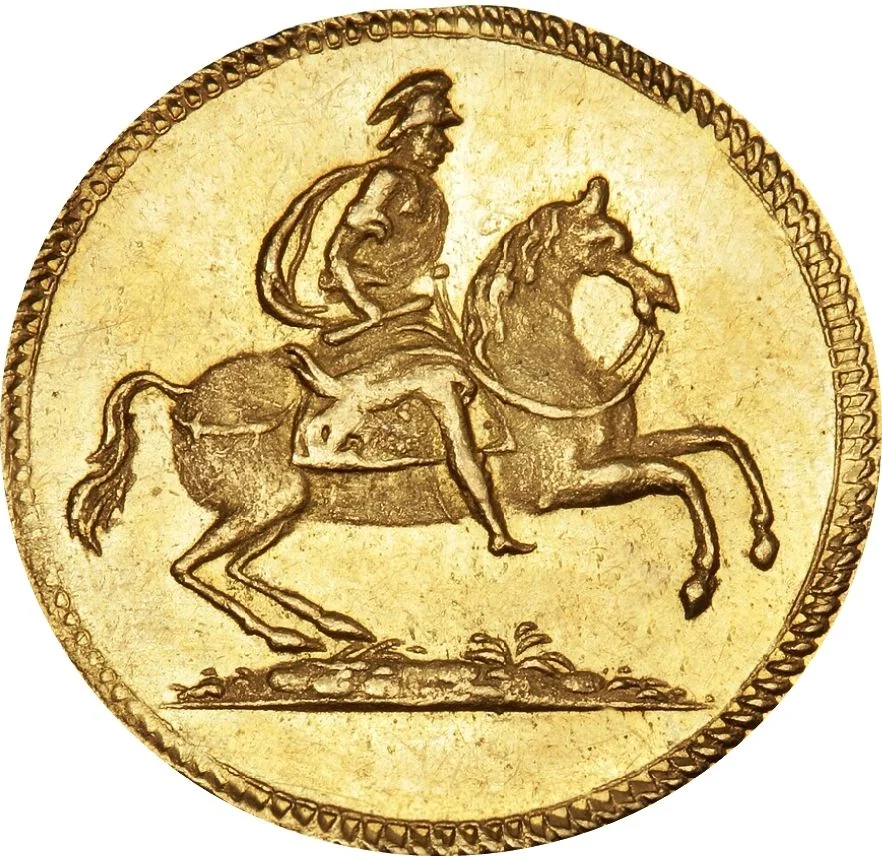
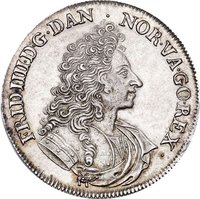
Obverse
Description:
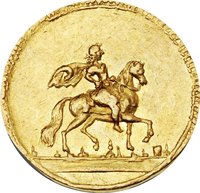
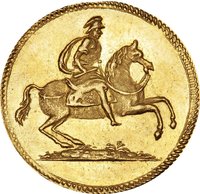
King on a charging steed.
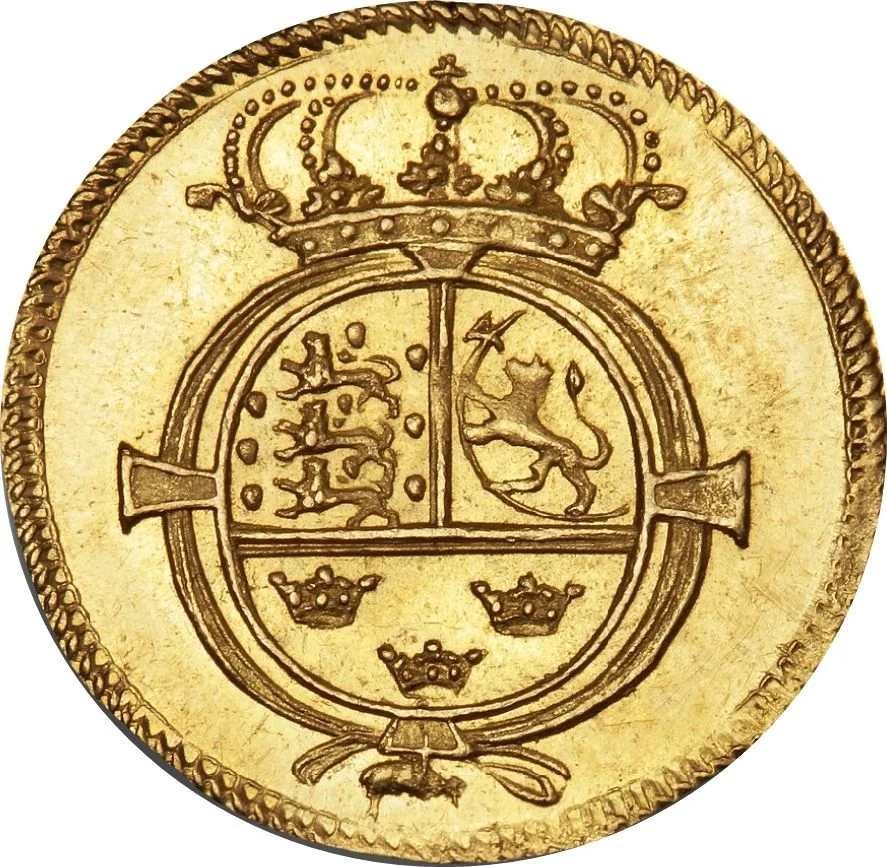
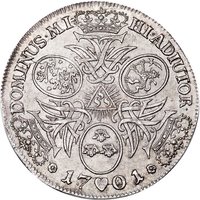
Reverse
Description:
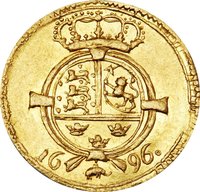
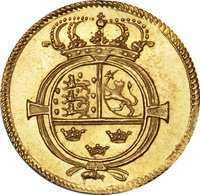
Danish royal arms with the Order of the Elephant.
Edge
Mints
| Name | Mark |
|---|---|
| Copenhagen | — |
Mintings
| Year | Mint Mark | Mintage | Quality | Collection |
|---|---|---|---|---|
| 1696 | — | — |
Historical background
In 1696, the Danish currency system was in a state of severe crisis, primarily due to the deliberate debasement of the coinage under King Christian V. To finance Denmark’s costly involvement in the Scanian War (1675-1679) and other state expenditures, the government had significantly reduced the silver content in coins while ordering them to remain at their old face value. This created a classic situation of "bad money driving out good," as described by Gresham's Law. People hoarded the older, purer coins or used them for foreign trade, while the new, inferior coins flooded the domestic market, leading to a loss of public trust and rampant inflation.
The situation was exacerbated by a general economic downturn in the 1690s, with poor harvests and trade disruptions. The circulating currency became a chaotic mix of legitimate Danish coins, heavily debased recent issues, and a multitude of foreign coins. This monetary confusion crippled everyday commerce, as the value of coins was uncertain and subject to constant negotiation, hindering both market transactions and the state's ability to collect taxes effectively. The crisis eroded confidence not only in the currency but also in the royal administration tasked with its management.
Recognizing the destabilizing effects, the state took decisive action in 1695-1696. A major monetary reform was enacted, introducing a new, stable silver-based currency system. The key was the introduction of the krone and skilling on a fixed standard, with the rigsdaler as the central silver coin. To restore confidence, the reform was backed by a forced recall and re-minting of the old debased coins, though often at a loss to the populace. While initially disruptive, the 1696 reform laid the foundation for a stable Danish currency that would endure for over a century, marking a pivotal turn from fiscal expediency toward long-term monetary responsibility.
The situation was exacerbated by a general economic downturn in the 1690s, with poor harvests and trade disruptions. The circulating currency became a chaotic mix of legitimate Danish coins, heavily debased recent issues, and a multitude of foreign coins. This monetary confusion crippled everyday commerce, as the value of coins was uncertain and subject to constant negotiation, hindering both market transactions and the state's ability to collect taxes effectively. The crisis eroded confidence not only in the currency but also in the royal administration tasked with its management.
Recognizing the destabilizing effects, the state took decisive action in 1695-1696. A major monetary reform was enacted, introducing a new, stable silver-based currency system. The key was the introduction of the krone and skilling on a fixed standard, with the rigsdaler as the central silver coin. To restore confidence, the reform was backed by a forced recall and re-minting of the old debased coins, though often at a loss to the populace. While initially disruptive, the 1696 reform laid the foundation for a stable Danish currency that would endure for over a century, marking a pivotal turn from fiscal expediency toward long-term monetary responsibility.
✨ Legendary