

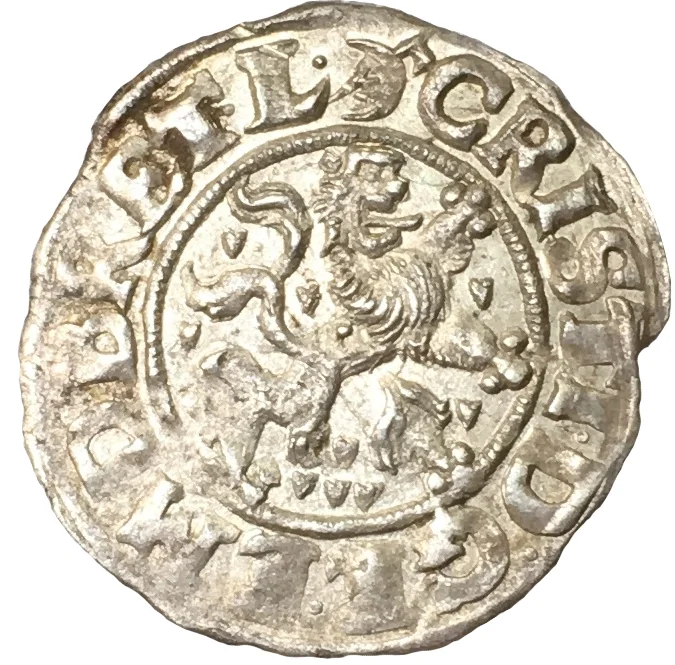
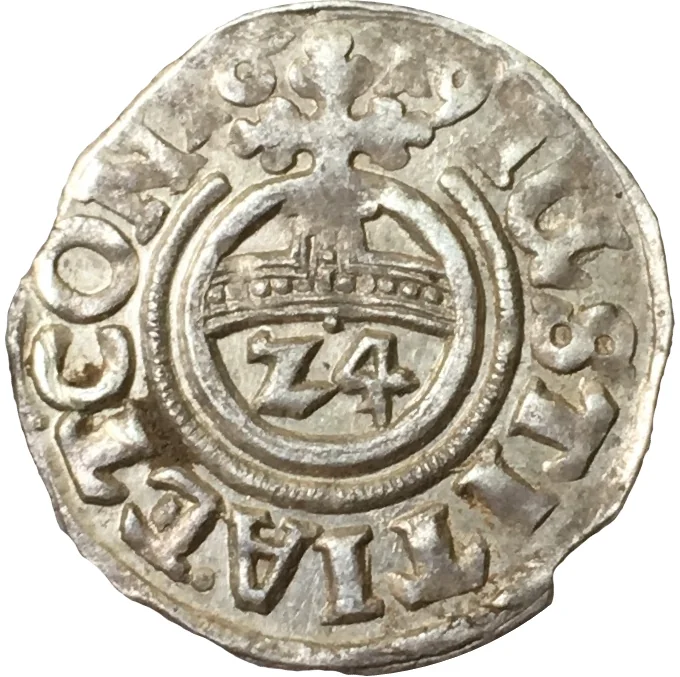
1 Groschen – Brunswick-Lüneburg-Celle
Germany
Context
Year: 1619
Country: Germany 
Issuer: Brunswick-Lüneburg-Celle
Ruler: Christian
Currency:
Subdivision: 1 Groschen = 1⁄24 Thaler
Demonetized: Yes
Material
References
KM: #Click to copy to clipboard15
Numista: #143738
Value
Bullion value: $3.27
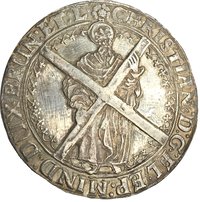
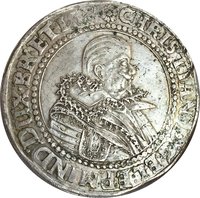
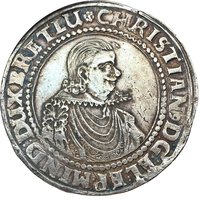
Obverse
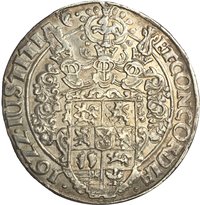
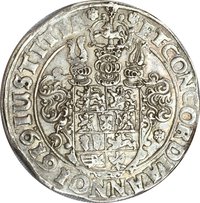
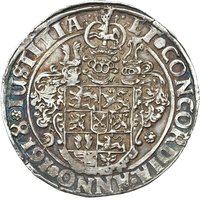
Reverse
Description:
Imperial orb, denomination above date.
Inscription:
IVSTITIA.ET.CON.16 / 19
Script: Latin
Edge
Plain
Mintings
| Year | Mint Mark | Mintage | Quality | Collection |
|---|---|---|---|---|
| 1619 | — | — |
Historical background
In 1619, the Duchy of Brunswick-Lüneburg, with its administrative center in Celle, operated within the complex and fragmented monetary system of the Holy Roman Empire. The right of coinage (Münzregal) was a sovereign privilege, but it was exercised by a multitude of territorial lords and cities, leading to a proliferation of different coins. For Brunswick-Lüneburg-Celle, this meant its currency circulated alongside those of neighboring principalities, bishoprics, and imperial cities, creating chronic issues of exchange rate instability and varying metal purity. The primary large-denomination coin was the Reichsthaler, an imperial standard, but local minting produced a range of smaller Gute Groschen and Mariengroschen for daily trade.
The situation was further strained by the imminent outbreak of the Thirty Years' War (1618-1648). The year 1619 fell in a precarious period of mobilization and financial preparation for conflict. Rulers across the Empire, including Duke Christian the Elder in Celle, faced immense pressure to raise funds for military expenses. One common method was through the debasement of coinage—reducing the precious metal content while maintaining the face value—which provided immediate revenue but triggered inflation and eroded public trust. This practice, known as Kipper- und Wipperzeit, would reach its peak in the early 1620s, just after this date.
Therefore, the currency background in 1619 is one of a fragile pre-war equilibrium within a decentralized system. While not yet in the full chaos of the Kipper- und Wipperzeit, the monetary environment was characterized by inherent complexity and vulnerability. The ducal mint in Celle functioned within this competitive and politically charged framework, where the stability of currency was directly tied to the fiscal demands of statecraft and the looming shadow of a continent-wide war.
The situation was further strained by the imminent outbreak of the Thirty Years' War (1618-1648). The year 1619 fell in a precarious period of mobilization and financial preparation for conflict. Rulers across the Empire, including Duke Christian the Elder in Celle, faced immense pressure to raise funds for military expenses. One common method was through the debasement of coinage—reducing the precious metal content while maintaining the face value—which provided immediate revenue but triggered inflation and eroded public trust. This practice, known as Kipper- und Wipperzeit, would reach its peak in the early 1620s, just after this date.
Therefore, the currency background in 1619 is one of a fragile pre-war equilibrium within a decentralized system. While not yet in the full chaos of the Kipper- und Wipperzeit, the monetary environment was characterized by inherent complexity and vulnerability. The ducal mint in Celle functioned within this competitive and politically charged framework, where the stability of currency was directly tied to the fiscal demands of statecraft and the looming shadow of a continent-wide war.
✨ Legendary