

1 Thaler – Brunswick-Lüneburg-Celle
Germany
Context
Year: 1618
Country: Germany 
Issuer: Brunswick-Lüneburg-Celle
Ruler: Christian
Currency:
Demonetized: Yes
Material
References
KM: #Click to copy to clipboard9.4
Numista: #138693
Value
Bullion value: $83.83
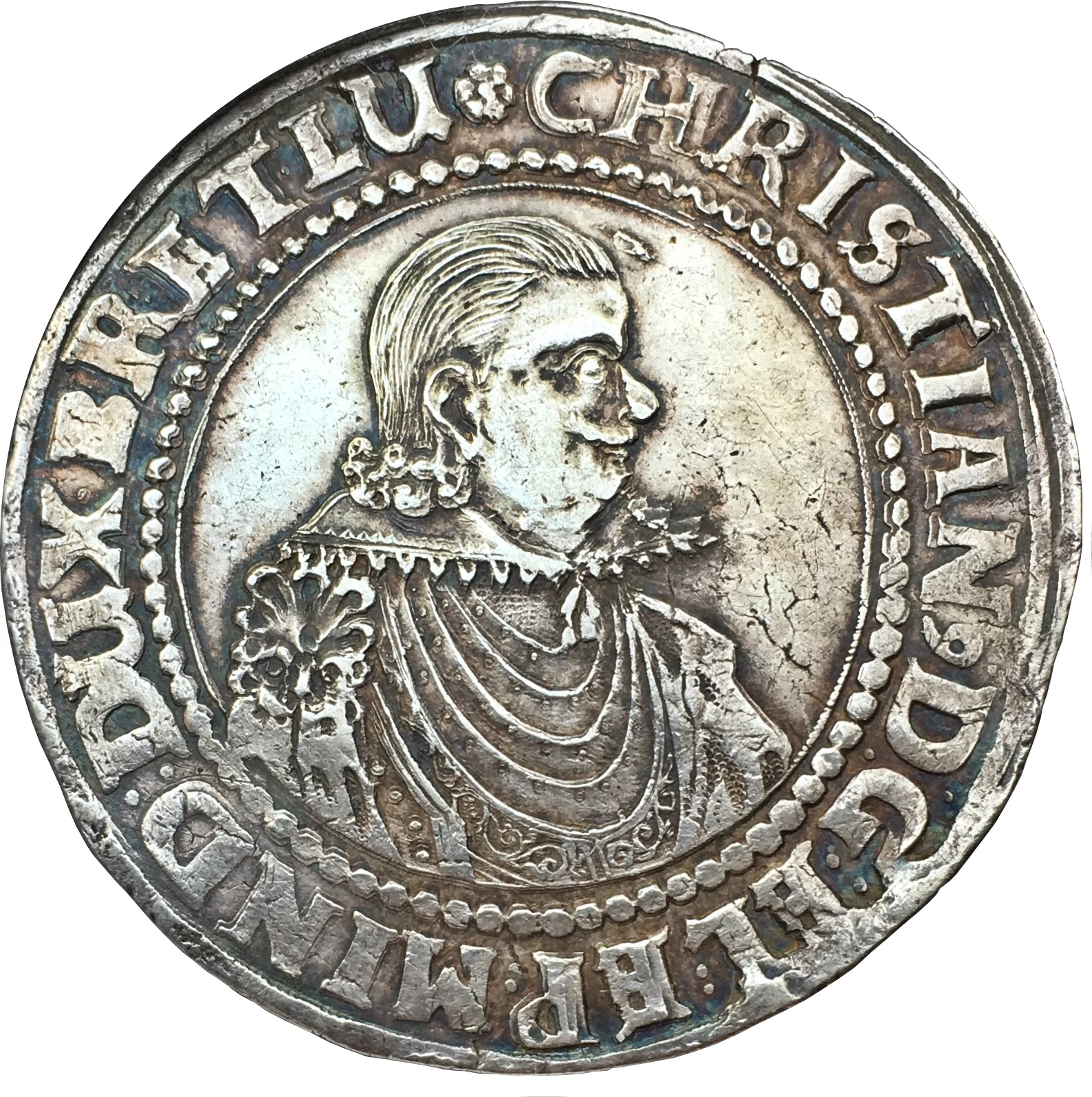
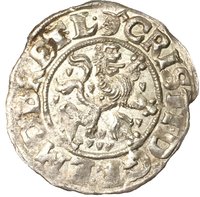
Obverse
Description:
Right-facing bust, legend begins with rosette.
Inscription:
CHRISTIAN9D:G:EL:EP:MIND:DUX.BR.ET.LU
Script: Latin
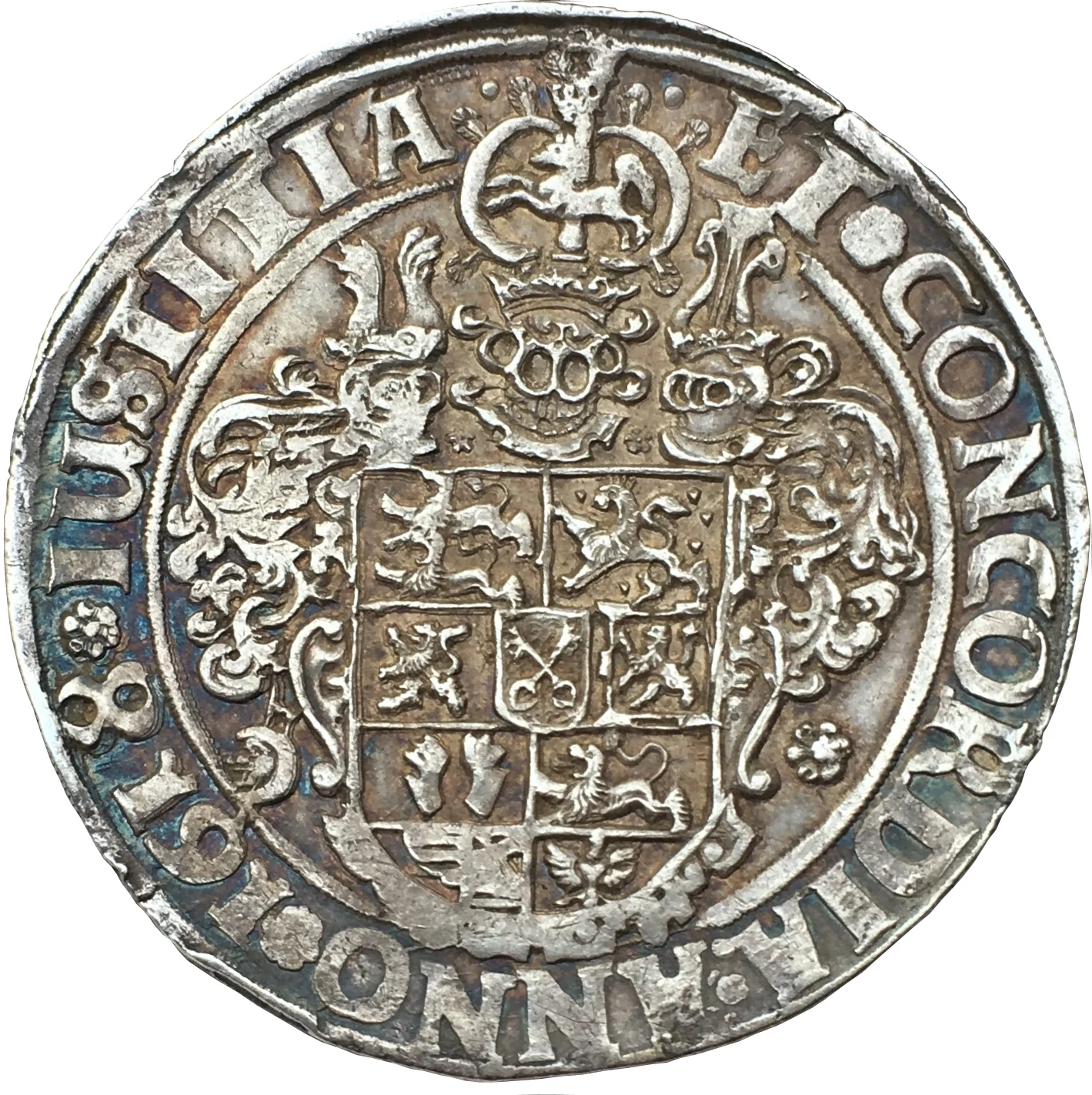
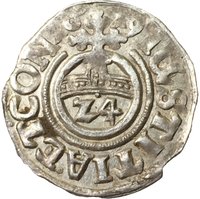
Reverse
Description:
Helmeted arms with shielded manifolds.
Inscription:
IUSTITIA. / .ET.CONCORDIA.ANNO.1618
Script: Latin
Edge
Plain
Mints
| Name | Mark |
|---|---|
| Clausthal | — |
Mintings
| Year | Mint Mark | Mintage | Quality | Collection |
|---|---|---|---|---|
| 1618 | — | — |
Historical background
In 1618, the Duchy of Brunswick-Lüneburg, with its administrative center in Celle, operated within the complex monetary system of the Holy Roman Empire. The region was not a unified currency zone; instead, it was part of the Lower Saxon Imperial Circle (Reichskreis), which attempted to standardize coinage through ordinances. The official currency was based on the Reichsthaler, a large silver coin, but daily transactions relied on a confusing plethora of smaller subdivision coins like Gute Groschen, Mariengroschen, and Pfennige, minted by various local authorities, including the Duke in Celle and other branch lines of the Welf dynasty.
The system was inherently unstable due to the practice of Kipper- und Wipperzeit (clipping and culling), which was reaching its peak. Princes and mint masters were debasing the coinage by reducing the precious metal content to produce more coins from the same amount of silver, often to finance extravagant court expenses or military preparations. This led to a flood of low-value coins driving good, full-weight coins out of circulation (Gresham's Law), causing rampant inflation, loss of public trust, and severe economic hardship for ordinary people who used small coins for daily purchases.
Duke Christian the Elder of Brunswick-Lüneburg, ruling from Celle, faced significant pressure to both profit from minting and to uphold monetary stability. The outbreak of the Thirty Years' War in 1618 dramatically worsened the situation, as the need to finance military forces provided a powerful incentive for further currency debasement. Thus, the monetary landscape in Celle that year was one of deteriorating standards, impending crisis, and a fragile system on the brink of collapse under the combined weight of princely prerogative and the coming continental war.
The system was inherently unstable due to the practice of Kipper- und Wipperzeit (clipping and culling), which was reaching its peak. Princes and mint masters were debasing the coinage by reducing the precious metal content to produce more coins from the same amount of silver, often to finance extravagant court expenses or military preparations. This led to a flood of low-value coins driving good, full-weight coins out of circulation (Gresham's Law), causing rampant inflation, loss of public trust, and severe economic hardship for ordinary people who used small coins for daily purchases.
Duke Christian the Elder of Brunswick-Lüneburg, ruling from Celle, faced significant pressure to both profit from minting and to uphold monetary stability. The outbreak of the Thirty Years' War in 1618 dramatically worsened the situation, as the need to finance military forces provided a powerful incentive for further currency debasement. Thus, the monetary landscape in Celle that year was one of deteriorating standards, impending crisis, and a fragile system on the brink of collapse under the combined weight of princely prerogative and the coming continental war.
✨ Legendary