

1 Dam – Mughal Empire
India
Context
Years: 1024–1025
Country: India 
Issuer: Mughal Empire
Ruler: Akbar
Currency:
(1540—1842)
Demonetized: Yes
Material
References
KM: #Click to copy to clipboard126.8
Numista: #143204
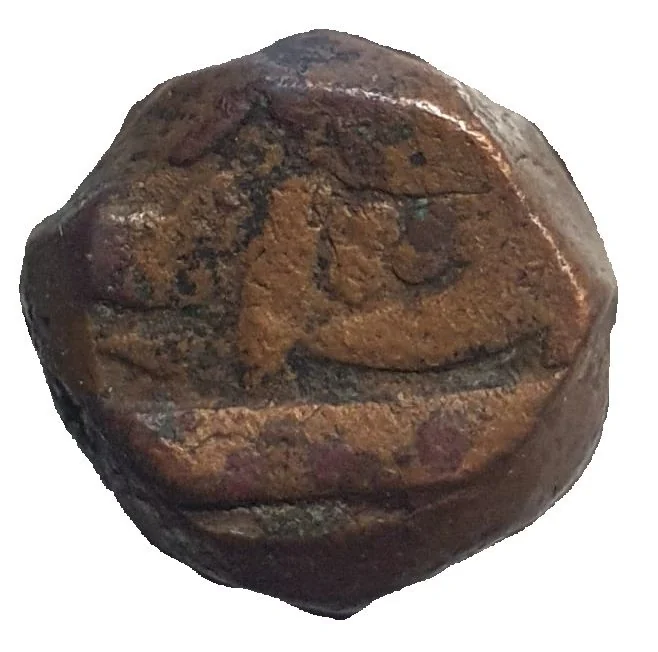
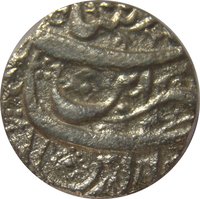
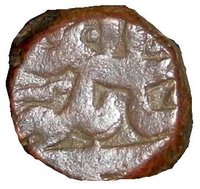
Obverse
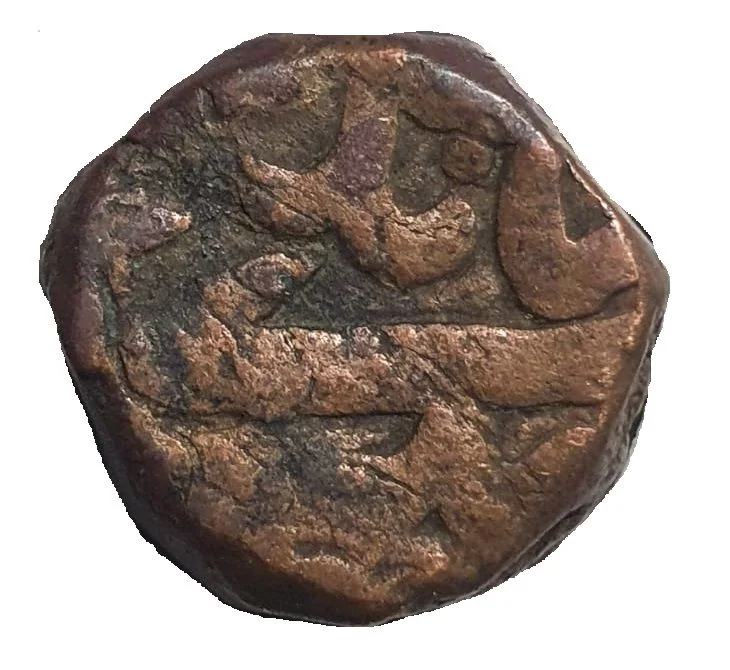
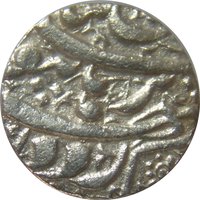
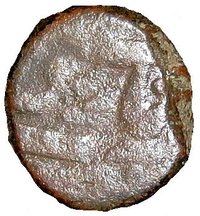
Reverse
Edge
© infierno
Mintings
| Year | Mint Mark | Mintage | Quality | Collection |
|---|---|---|---|---|
| 1024 | — | — | ||
| 1025 | — | — |
Historical background
The year 1024 AH in the Islamic calendar corresponds to approximately 1615-1616 CE during the reign of the Mughal Emperor Jahangir. By this time, the empire's monetary system, established under his father Akbar, was highly sophisticated and stable. The foundation was a trimetallic system based on the silver rupee, the gold mohur, and the copper dam. The rupee, notably of high and consistent purity, had become the primary currency for land revenue, large trade, and state transactions, fostering immense confidence across India and in international markets, particularly with European trading companies.
Jahangir, however, introduced a notable artistic innovation to this stable system. Around this period, he famously ordered the minting of coins featuring zodiacal signs and, according to chronicles, even his own portrait. These were not separate currencies but special commemorative issues, primarily on gold mohurs and some rupees, that circulated alongside the standard imperial designs. This practice reflected Jahangir's personal interests in art and astrology, and while these coins were legal tender, they were more symbolic of imperial authority and the emperor's cosmopolitan worldview than a monetary reform.
The currency situation in 1024 AH was therefore one of robust strength and artistic experimentation. The system efficiently supported a vast economy of agriculture, manufacture, and burgeoning foreign trade. Revenue flowed to the treasury in silver rupees, which were then used to pay the nobility and the massive military apparatus, ensuring liquidity and central control. Jahangir's novelty coins did not disrupt this economic machinery but rather adorned it, serving as a testament to the empire's confidence and the emperor's desire to imprint his unique personality upon the instruments of state power.
Jahangir, however, introduced a notable artistic innovation to this stable system. Around this period, he famously ordered the minting of coins featuring zodiacal signs and, according to chronicles, even his own portrait. These were not separate currencies but special commemorative issues, primarily on gold mohurs and some rupees, that circulated alongside the standard imperial designs. This practice reflected Jahangir's personal interests in art and astrology, and while these coins were legal tender, they were more symbolic of imperial authority and the emperor's cosmopolitan worldview than a monetary reform.
The currency situation in 1024 AH was therefore one of robust strength and artistic experimentation. The system efficiently supported a vast economy of agriculture, manufacture, and burgeoning foreign trade. Revenue flowed to the treasury in silver rupees, which were then used to pay the nobility and the massive military apparatus, ensuring liquidity and central control. Jahangir's novelty coins did not disrupt this economic machinery but rather adorned it, serving as a testament to the empire's confidence and the emperor's desire to imprint his unique personality upon the instruments of state power.
💎 Extremely Rare