

1 Dam – Mughal Empire
India
Context
Year: 1027
Country: India 
Issuer: Mughal Empire
Ruler: Jahangir I
Currency:
(1540—1842)
Demonetized: Yes
Material
References
KM: #Click to copy to clipboard126.6
Numista: #111114
Obverse
Description:
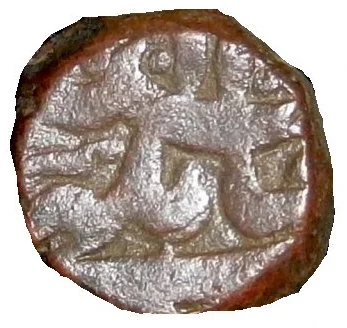
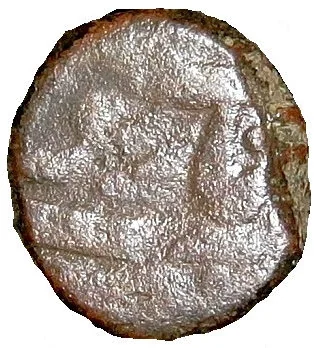
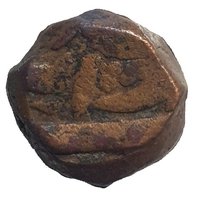
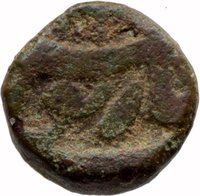
Copper Dam, Jahangir Falus.
Reverse
Description:
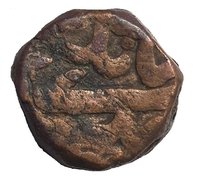
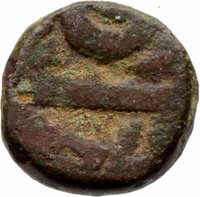
Rev. Mint Narnol.
Edge
Mints
| Name | Mark |
|---|---|
| Narnaul, India | — |
Mintings
| Year | Mint Mark | Mintage | Quality | Collection |
|---|---|---|---|---|
| 1027 | — | — |
Historical background
The year 1027 AH (Anno Hegirae) corresponds to approximately 1617-1618 CE in the Gregorian calendar, placing it within the reign of the fourth Mughal Emperor, Jahangir. This period is often considered the zenith of Mughal currency stability and artistic achievement in coinage. The monetary system was a bimetallic standard, firmly based on the silver rupee and the gold mohur, with a fixed exchange rate typically set at one mohur to nine rupees, though it could fluctuate slightly. The system was highly centralized and efficient, with coins minted across the empire in major cities like Lahore, Delhi, Ahmadabad, and Surat maintaining remarkable consistency in weight and purity, a testament to imperial administrative control.
Jahangir's reign is particularly famous for the innovation and beauty of its coinage. While maintaining the standard round coins, he famously introduced a series of novelty coins around this time, minted in shapes of animals (such as fish and birds) and even featuring intricate floral designs and his own zodiac sign. More significantly, he broke with Islamic convention by having his own portrait, and sometimes even that of his beloved wife Nur Jahan, stamped on some mohurs. Despite these artistic flourishes, the fundamental integrity of the currency remained uncompromised. The silver rupee, often referred to by historians as the "rupaiya of Jahangir," became a benchmark of reliability, widely accepted not only within the empire but also in international trade across the Indian Ocean.
This monetary stability was underpinned by a massive influx of New World silver, primarily from Spanish America, which entered the Mughal economy through trade with European companies (like the newly arrived English East India Company) and the Red Sea ports. This silver bullion was minted into rupees, fueling commerce and allowing for the efficient collection of land revenue (zat). The reliable currency facilitated economic expansion, supported the lavish court culture, and funded monumental architecture. Thus, in 1027 AH, the Mughal currency system was not merely functional; it was a powerful instrument of state authority, economic integration, and artistic expression, reflecting the empire's confidence and prosperity at its peak.
Jahangir's reign is particularly famous for the innovation and beauty of its coinage. While maintaining the standard round coins, he famously introduced a series of novelty coins around this time, minted in shapes of animals (such as fish and birds) and even featuring intricate floral designs and his own zodiac sign. More significantly, he broke with Islamic convention by having his own portrait, and sometimes even that of his beloved wife Nur Jahan, stamped on some mohurs. Despite these artistic flourishes, the fundamental integrity of the currency remained uncompromised. The silver rupee, often referred to by historians as the "rupaiya of Jahangir," became a benchmark of reliability, widely accepted not only within the empire but also in international trade across the Indian Ocean.
This monetary stability was underpinned by a massive influx of New World silver, primarily from Spanish America, which entered the Mughal economy through trade with European companies (like the newly arrived English East India Company) and the Red Sea ports. This silver bullion was minted into rupees, fueling commerce and allowing for the efficient collection of land revenue (zat). The reliable currency facilitated economic expansion, supported the lavish court culture, and funded monumental architecture. Thus, in 1027 AH, the Mughal currency system was not merely functional; it was a powerful instrument of state authority, economic integration, and artistic expression, reflecting the empire's confidence and prosperity at its peak.
✨ Legendary