

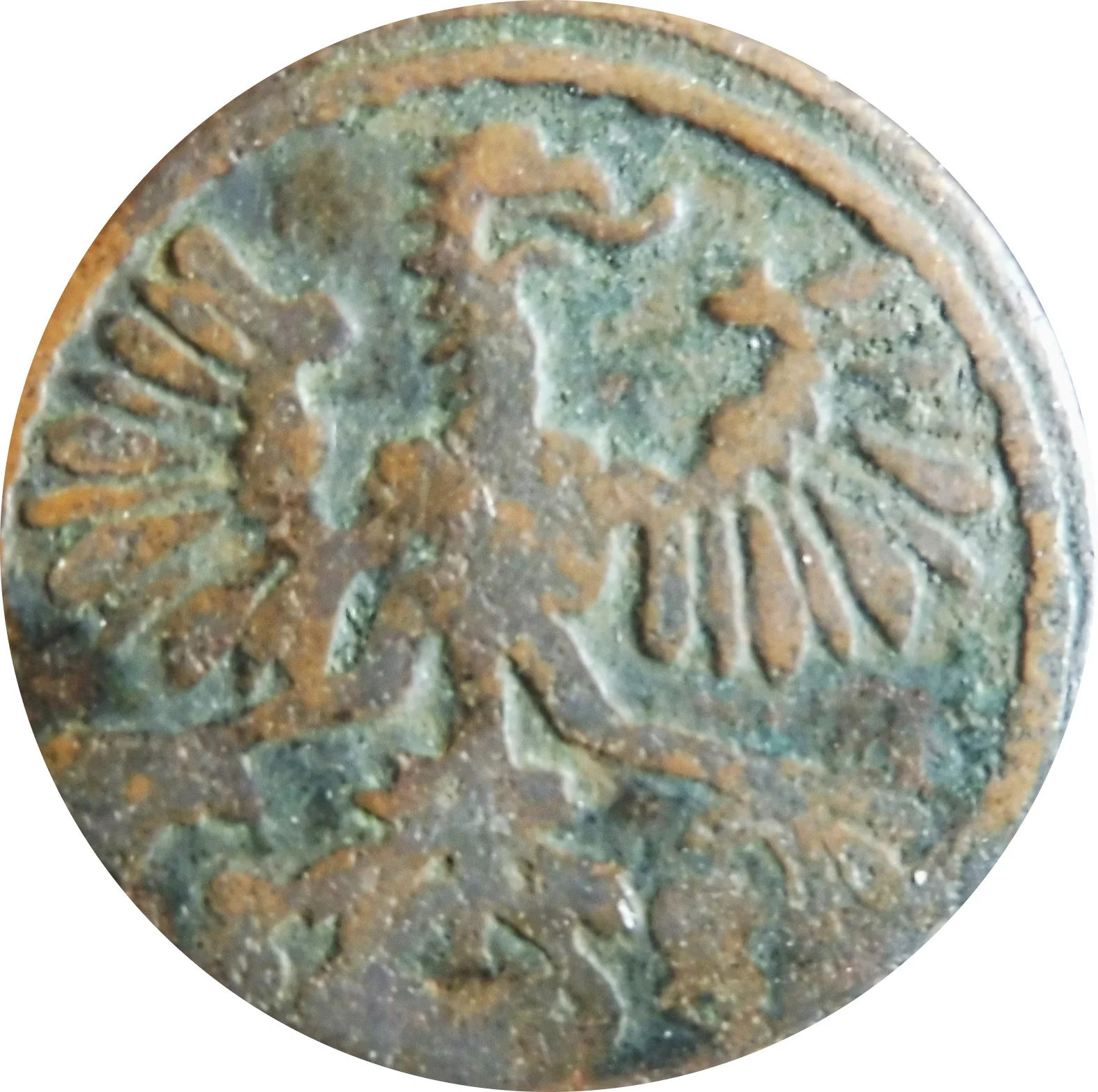

Obverse
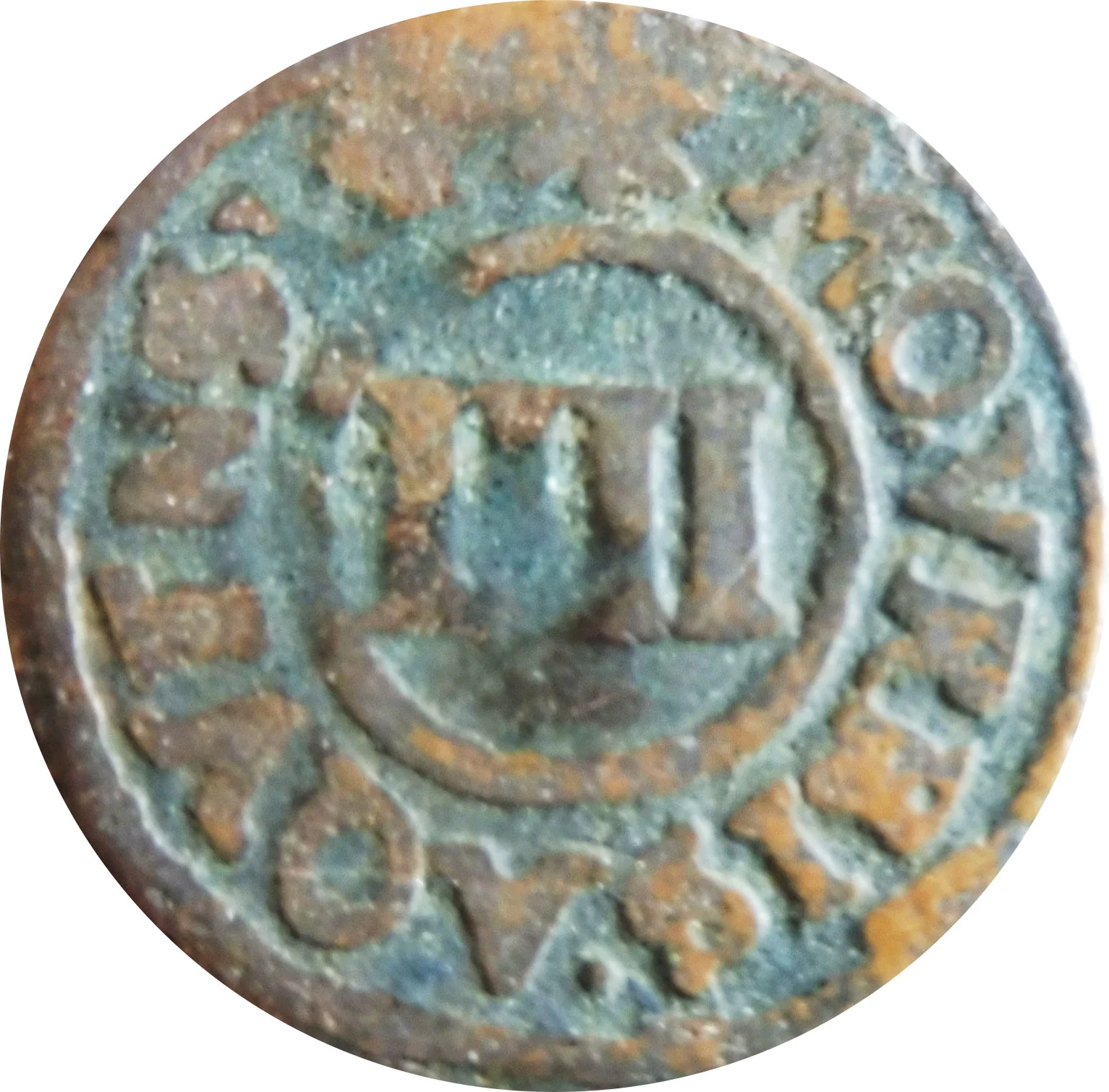
Reverse
Description:
"IIII" in Roman numerals at center.
Inscription:
* MO . VRBIS • AQVENSIS
IIII
IIII
Script: Latin
Edge
Mints
| Name | Mark |
|---|---|
| Aachen | — |
Mintings
| Year | Mint Mark | Mintage | Quality | Collection |
|---|---|---|---|---|
| 1604 | — | 30,000 | ||
| — | — | — | ||
| 1605 | — | 30,000 | ||
| 1619 | — | 80,000 | ||
| 1621 | — | 40,000 | ||
| 1624 | — | 40,000 | ||
| 1634 | — | 140,000 | ||
| 1638 | — | 600,000 | ||
| 1643 | — | 200,000 | ||
| 1655 | — | 200,000 |
Historical background
In 1604, the Free Imperial City of Aachen operated within the complex and fragmented monetary landscape of the Holy Roman Empire. The city did not possess the sovereign right to mint its own coins; instead, it officially used the currency of the surrounding Duchy of Jülich, to which it was closely linked politically and economically. The primary circulating coin was the Jülicher Albus, a silver groschen-type coin that served as the workhorse for regional trade and daily transactions. However, the city's thriving economy and international trade fairs also drew a multitude of foreign coins into circulation, including Reichsthalers from other German states, Dutch guilders, and Brabantian patards, leading to a constant struggle with exchange rates and valuations.
This monetary environment was fraught with challenges characteristic of the era. Debasement of coinage by various authorities was a persistent issue, as the silver content of coins could be secretly reduced to generate profit for the minting lord, thereby undermining trust and stable value. Furthermore, the sheer variety of coins in use, each with fluctuating intrinsic values based on metal content and wear, created a lucrative but chaotic necessity for money changers (Wechsler). The city council issued repeated ordinances and Wechselkurse (exchange rate bulletins) in an attempt to fix the values of acceptable coins and combat fraud, but enforcing these regulations in the bustling market was difficult.
The monetary situation in Aachen was therefore one of precarious balance. The city’s authorities sought to maintain a stable medium of exchange to protect civic finances and commercial credibility, especially for its famous cloth and needle trades. Yet, they were perpetually at the mercy of regional monetary policies and the inflow of foreign currency from the trade routes that converged at this western frontier of the Empire. This instability reflected the broader weakness of imperial monetary regulation and foreshadowed the economic strains that would escalate in the lead-up to the Thirty Years' War, impacting even prosperous and politically semi-autonomous cities like Aachen.
This monetary environment was fraught with challenges characteristic of the era. Debasement of coinage by various authorities was a persistent issue, as the silver content of coins could be secretly reduced to generate profit for the minting lord, thereby undermining trust and stable value. Furthermore, the sheer variety of coins in use, each with fluctuating intrinsic values based on metal content and wear, created a lucrative but chaotic necessity for money changers (Wechsler). The city council issued repeated ordinances and Wechselkurse (exchange rate bulletins) in an attempt to fix the values of acceptable coins and combat fraud, but enforcing these regulations in the bustling market was difficult.
The monetary situation in Aachen was therefore one of precarious balance. The city’s authorities sought to maintain a stable medium of exchange to protect civic finances and commercial credibility, especially for its famous cloth and needle trades. Yet, they were perpetually at the mercy of regional monetary policies and the inflow of foreign currency from the trade routes that converged at this western frontier of the Empire. This instability reflected the broader weakness of imperial monetary regulation and foreshadowed the economic strains that would escalate in the lead-up to the Thirty Years' War, impacting even prosperous and politically semi-autonomous cities like Aachen.

✨ Legendary