

½ Silver Real – Spanish Netherlands
Netherlands
Context
Years: 1606–1609
Country: Netherlands 
Issuer: Spanish Netherlands
Currency:
(1506—1713)
Demonetized: Yes
Material
Diameter: 25 mm
Weight: 3.47 g
Shape: Irregular round
Technique: Hammered
Alignment: Coin alignment
flip
References
KM: #Click to copy to clipboard31
Numista: #104696
Obverse
Description:
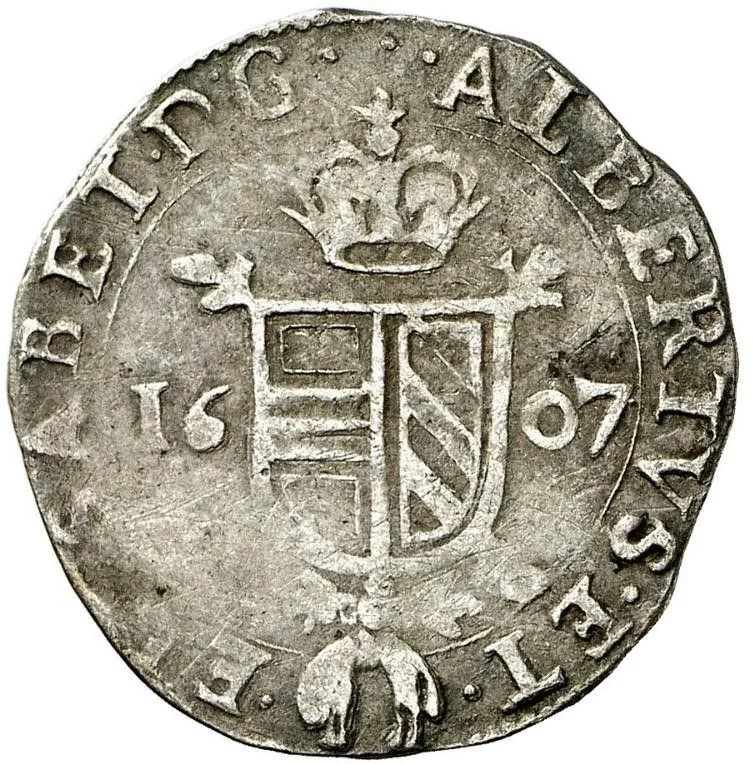
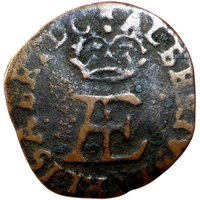
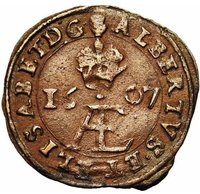
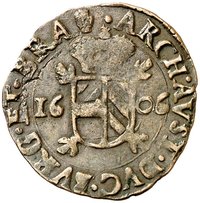
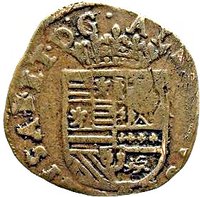
Arms of Austria-Burgundy and Burgundian cross flank date, with Golden Fleece pendant.
Inscription:
ALBERTVS · ET · ELISABET · D : G
Script: Latin
Reverse
Description:
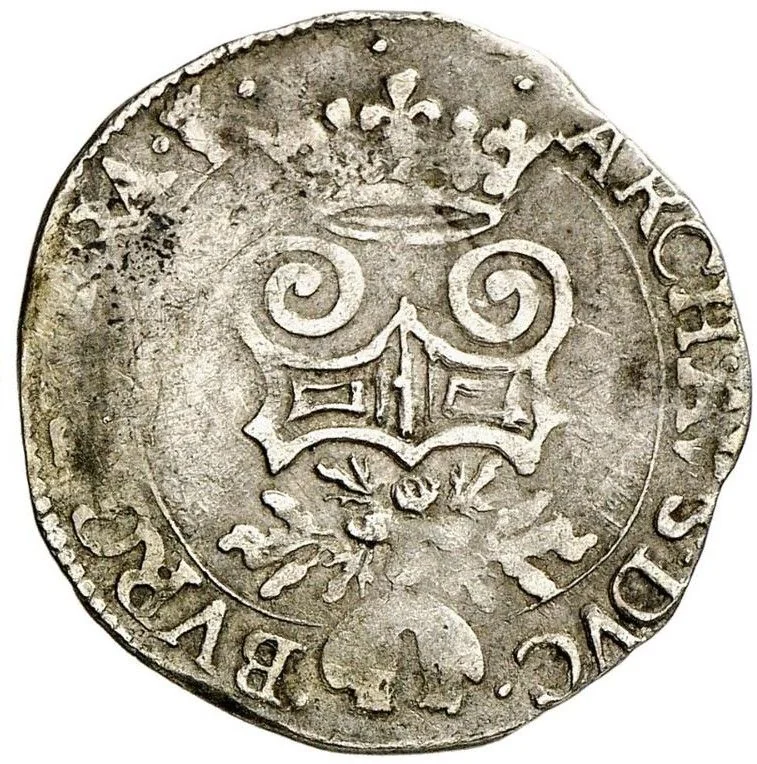
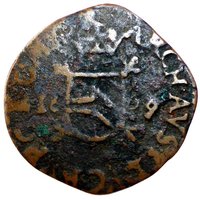
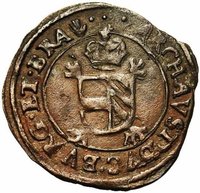
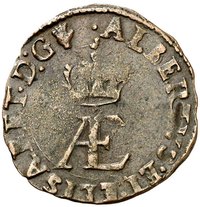
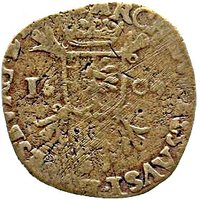
Crowned firesteel with sparks and Golden Fleece jewel below, inside inner circle. Mintmark (hand) in legend.
Inscription:
· ARCH · AVST · DVC · BVRG · ET · BRAB ·
Script: Latin
Edge
Mints
| Name | Mark |
|---|---|
| Antwerp | Hand |
Mintings
| Year | Mint Mark | Mintage | Quality | Collection |
|---|---|---|---|---|
| 1606 | — | — | ||
| 1607 | — | — | ||
| 1609 | — | — |
Historical background
In 1606, the Spanish Netherlands found itself in the midst of a severe and protracted monetary crisis, a direct consequence of the ongoing Eighty Years' War (1568-1648). The region, a vital economic hub, was financially exhausted by the costs of maintaining the Army of Flanders and the disruption of trade. This pressure led the authorities, under Archdukes Albert and Isabella, to repeatedly debase the coinage—reducing the precious metal content in coins like the patagon or rijksdaalder while officially maintaining their face value. This practice created short-term revenue for the treasury but eroded public trust and sparked widespread economic distortion.
The situation was characterized by the circulation of a chaotic mix of coins: old "heavy" coins of full intrinsic value, new "light" debased issues, and countless foreign currencies from neighboring states. Following Gresham's Law, "good" full-weight coins were hoarded or exported, while "bad" debased coins flooded the market, driving up prices and causing inflation. This led to a crippling disconnect between the official muntvoet (the mint standard setting coin values) and the actual market exchange rates (wisselvoet), creating confusion in commerce and hampering the economy.
Recognizing the destabilizing effects, the Archdukes attempted a major monetary reform in 1606. Their goal was to stabilize the currency by introducing new, standardized coins and officially devaluing the old ones to better reflect their actual metal content, thereby attempting to restore a single, reliable standard. However, this reform was only partially successful. The measures were complex and faced resistance, and the underlying fiscal pressures of the war continued. Thus, while 1606 represents a pivotal year of attempted correction, true monetary stability would remain elusive for the Spanish Netherlands until the conclusion of the conflict.
The situation was characterized by the circulation of a chaotic mix of coins: old "heavy" coins of full intrinsic value, new "light" debased issues, and countless foreign currencies from neighboring states. Following Gresham's Law, "good" full-weight coins were hoarded or exported, while "bad" debased coins flooded the market, driving up prices and causing inflation. This led to a crippling disconnect between the official muntvoet (the mint standard setting coin values) and the actual market exchange rates (wisselvoet), creating confusion in commerce and hampering the economy.
Recognizing the destabilizing effects, the Archdukes attempted a major monetary reform in 1606. Their goal was to stabilize the currency by introducing new, standardized coins and officially devaluing the old ones to better reflect their actual metal content, thereby attempting to restore a single, reliable standard. However, this reform was only partially successful. The measures were complex and faced resistance, and the underlying fiscal pressures of the war continued. Thus, while 1606 represents a pivotal year of attempted correction, true monetary stability would remain elusive for the Spanish Netherlands until the conclusion of the conflict.
✨ Legendary