

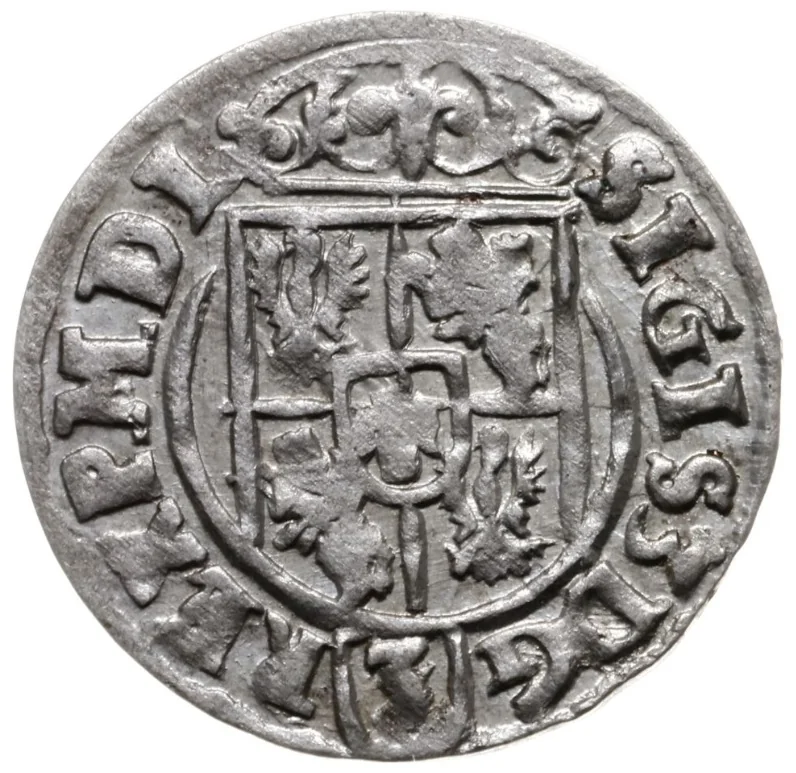
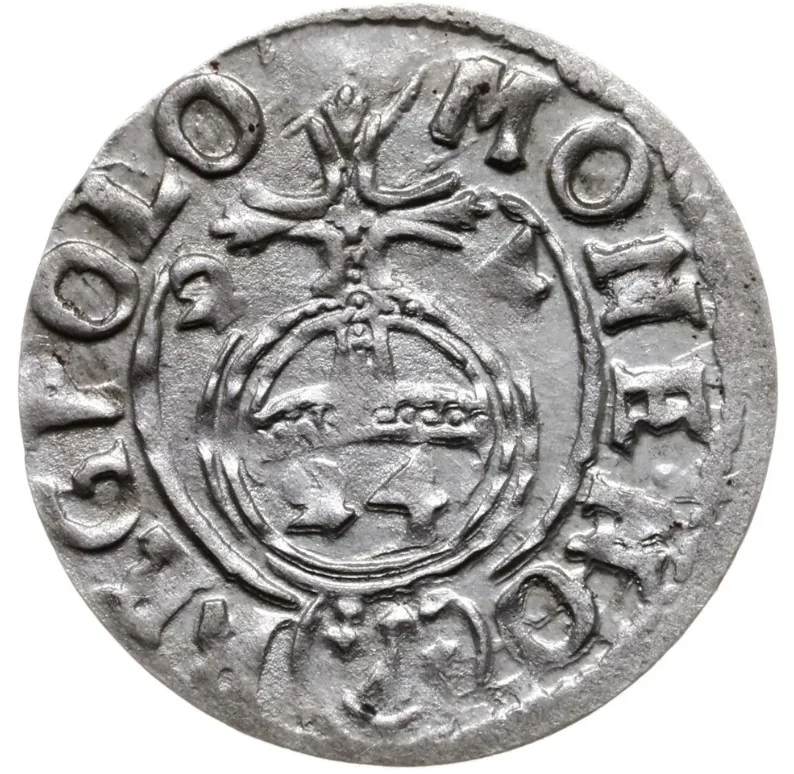
1½ Groschen – Polish–Lithuanian Commonwealth
Poland
Context
Year: 1624
Country: Poland 
Issuer: Polish–Lithuanian Commonwealth
Ruler: Sigismund III Vasa
Currency:
(1573—1795)
Demonetized: Yes
Material
References
KM: #Click to copy to clipboard41
Numista: #136368
Value
Bullion value: $1.84
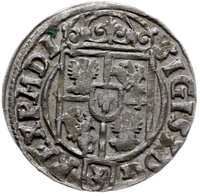
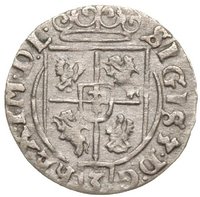
Obverse
Inscription:
SIGIS 3 D G (3) REX P M D L
Script: Latin
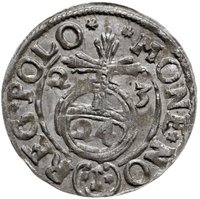
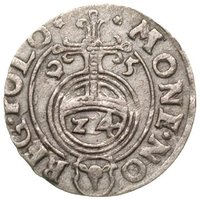
Reverse
Inscription:
MONE NO (*↑*) REG POLO
Script: Latin
Edge
Plain
Mints
| Name | Mark |
|---|---|
| Bydgoszcz | — |
Mintings
| Year | Mint Mark | Mintage | Quality | Collection |
|---|---|---|---|---|
| 1624 | — | — |
Historical background
In 1624, the Polish–Lithuanian Commonwealth was grappling with a severe monetary crisis rooted in decades of debasement and the disruptive influx of foreign coin. The problem originated in the late 16th century when the state, perpetually short of revenue due to its decentralized political system and costly wars, began reducing the silver content in its own coinage, particularly the ubiquitous szeląg (shilling). This triggered Gresham's Law, where "bad money drives out good," causing full-weight silver coins like talers to be hoarded or exported, leaving the economy flooded with inferior domestic and foreign coins.
The situation was exacerbated by the massive importation of debased copper boratynki from Swedish-controlled Riga after 1621. Named after the mintmaster Tytus Liwiusz Boratini, these coins were officially overvalued and flooded the market, leading to rapid inflation and a loss of public trust in the currency. This monetary chaos disrupted trade, complicated tax collection (as revenues were collected in depreciated coin), and created significant social tension, particularly among the peasantry and soldiers who were paid in nearly worthless money.
Despite recognizing the crisis, the Sejm (parliament) was largely paralyzed, unable to pass decisive reforms. Powerful magnates and treasury officials often profited from the minting leases and currency speculation, blocking effective solutions. Consequently, in 1624, the Commonwealth lacked a stable, unified monetary system. The circulation was a chaotic mix of undervalued full-weight foreign talers, heavily debased domestic silver coins, and vast quantities of copper tokens, with their values fluctuating wildly and causing ongoing economic strain on the vast, multi-ethnic state.
The situation was exacerbated by the massive importation of debased copper boratynki from Swedish-controlled Riga after 1621. Named after the mintmaster Tytus Liwiusz Boratini, these coins were officially overvalued and flooded the market, leading to rapid inflation and a loss of public trust in the currency. This monetary chaos disrupted trade, complicated tax collection (as revenues were collected in depreciated coin), and created significant social tension, particularly among the peasantry and soldiers who were paid in nearly worthless money.
Despite recognizing the crisis, the Sejm (parliament) was largely paralyzed, unable to pass decisive reforms. Powerful magnates and treasury officials often profited from the minting leases and currency speculation, blocking effective solutions. Consequently, in 1624, the Commonwealth lacked a stable, unified monetary system. The circulation was a chaotic mix of undervalued full-weight foreign talers, heavily debased domestic silver coins, and vast quantities of copper tokens, with their values fluctuating wildly and causing ongoing economic strain on the vast, multi-ethnic state.
🌱 Fairly Common