

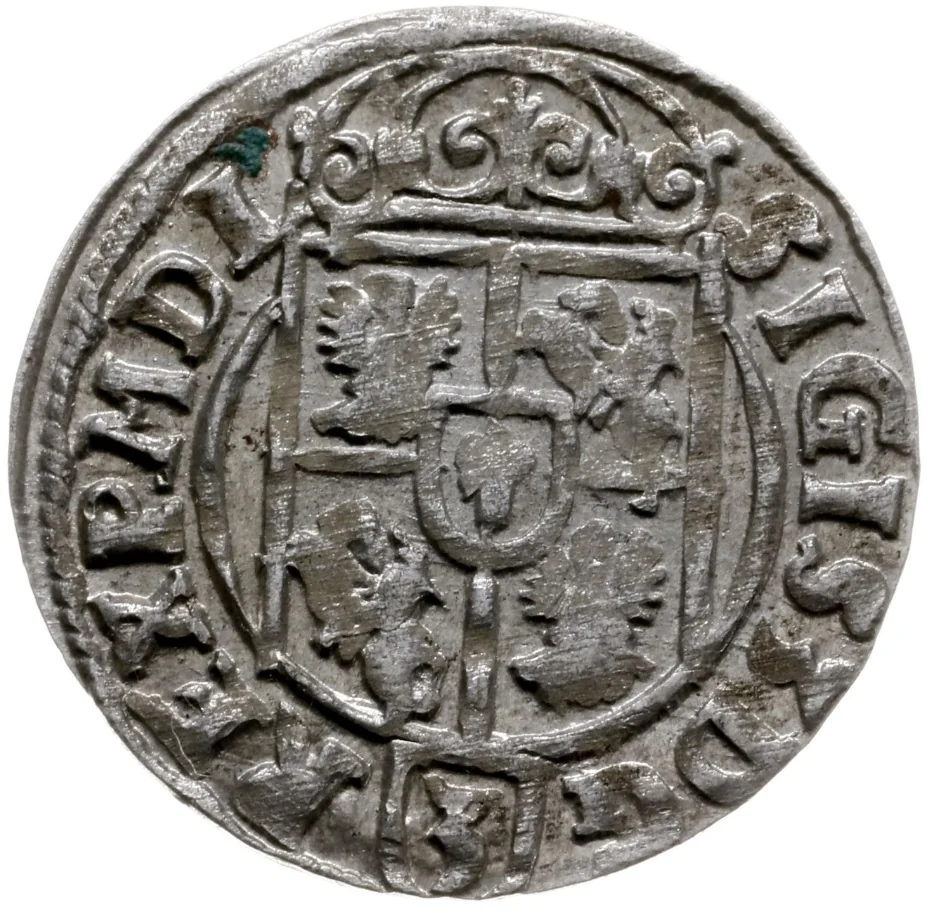
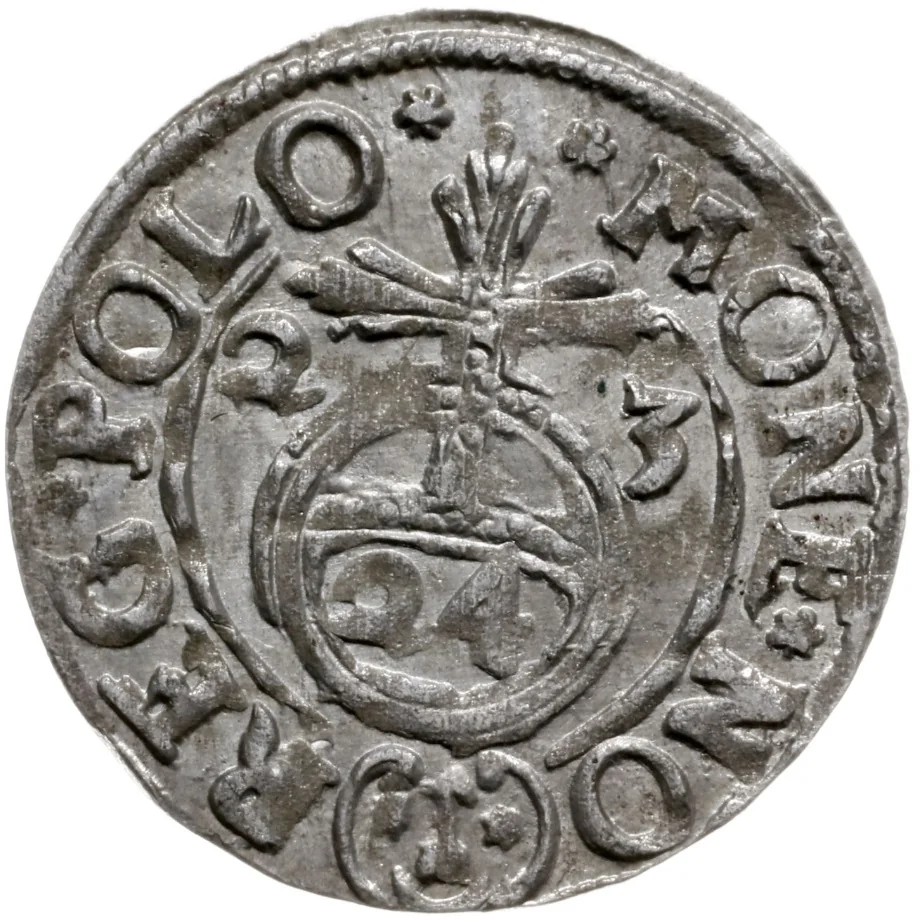
1½ Groschen – Polish–Lithuanian Commonwealth
Poland
Context
Year: 1623
Country: Poland 
Issuer: Polish–Lithuanian Commonwealth
Ruler: Sigismund III Vasa
Currency:
(1573—1795)
Demonetized: Yes
Material
References
KM: #Click to copy to clipboard41
Numista: #136367
Value
Bullion value: $2.08
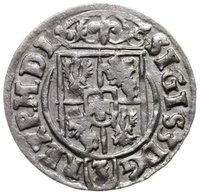
Obverse
Inscription:
SIGIS 3 D G (3) REX P M D L
Script: Latin
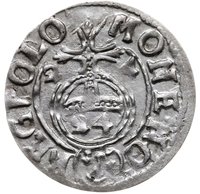
Reverse
Inscription:
MONE NO (*↑*) REG POLO
Script: Latin
Edge
Plain
Mints
| Name | Mark |
|---|---|
| Bydgoszcz | — |
Mintings
| Year | Mint Mark | Mintage | Quality | Collection |
|---|---|---|---|---|
| 1623 | — | — |
Historical background
In 1623, the currency situation of the Polish–Lithuanian Commonwealth was one of profound crisis and debasement, primarily driven by the actions of private mint operators. The monarchy, chronically short of revenue due to the nobility's (szlachta) resistance to taxes, had leased the right to mint coins to private individuals, most notably the powerful Danzig banker and mint-master Andreas Tymf. These operators, seeking profit, began issuing coins with a face value far exceeding their intrinsic metal content, a practice known as "crying down" the currency.
The most notorious result was the introduction of the tymf (named after Tymf) and the boratynka (named later after the mint-master Tito Livio Burattini). These coins, particularly the small silver tymf and the copper szeląg (boratynka), contained significantly less precious metal than their official valuation. This led to Gresham's Law in action: "bad money drives out good." Full-weight foreign thalers and older Polish coins were hoarded or exported, leaving the debased currency to circulate domestically, causing rampant inflation and a severe loss of public trust in the monetary system.
This monetary chaos had dire economic and political consequences. It disrupted trade, eroded savings, and created widespread social discontent, particularly among the lower nobility and townspeople. The Sejm (parliament) repeatedly but ineffectively attempted to legislate reforms, but the state's financial weakness and the power of the minting magnates prevented a stable solution. Thus, in 1623, the Commonwealth was locked in a self-destructive cycle of currency debasement that would undermine its economy for decades.
The most notorious result was the introduction of the tymf (named after Tymf) and the boratynka (named later after the mint-master Tito Livio Burattini). These coins, particularly the small silver tymf and the copper szeląg (boratynka), contained significantly less precious metal than their official valuation. This led to Gresham's Law in action: "bad money drives out good." Full-weight foreign thalers and older Polish coins were hoarded or exported, leaving the debased currency to circulate domestically, causing rampant inflation and a severe loss of public trust in the monetary system.
This monetary chaos had dire economic and political consequences. It disrupted trade, eroded savings, and created widespread social discontent, particularly among the lower nobility and townspeople. The Sejm (parliament) repeatedly but ineffectively attempted to legislate reforms, but the state's financial weakness and the power of the minting magnates prevented a stable solution. Thus, in 1623, the Commonwealth was locked in a self-destructive cycle of currency debasement that would undermine its economy for decades.
🌱 Common