

4 maravedis – Spain
Add to wishlist
Spain
Context
Material
Diameter: 27 mm
Weight: 6 g
Thickness: 1 mm
Shape: Irregular round
Composition: Billon
Technique: Hammered
References
KM: #
Numista: #135825
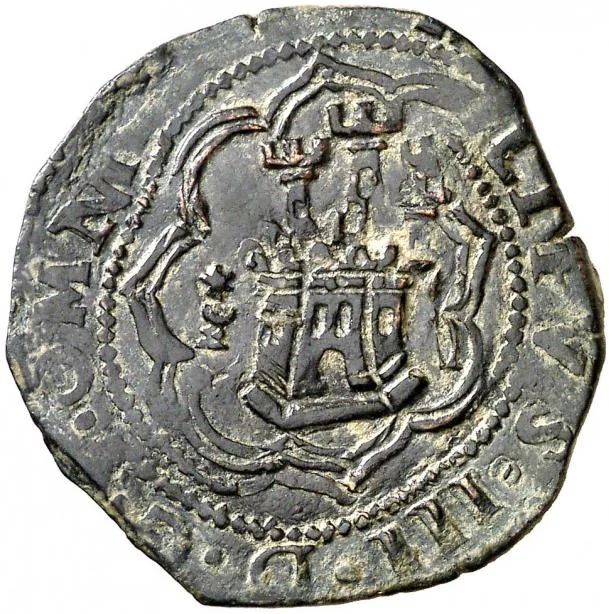
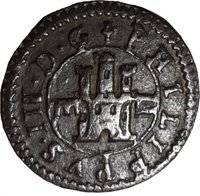
Obverse
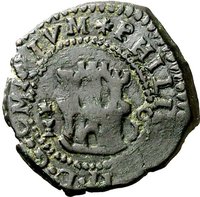
Description:
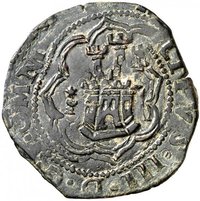
Castle between mint and assayer marks.
Inscription:
PHILIPVS · III · D · G · OMNIVM
Script: Latin
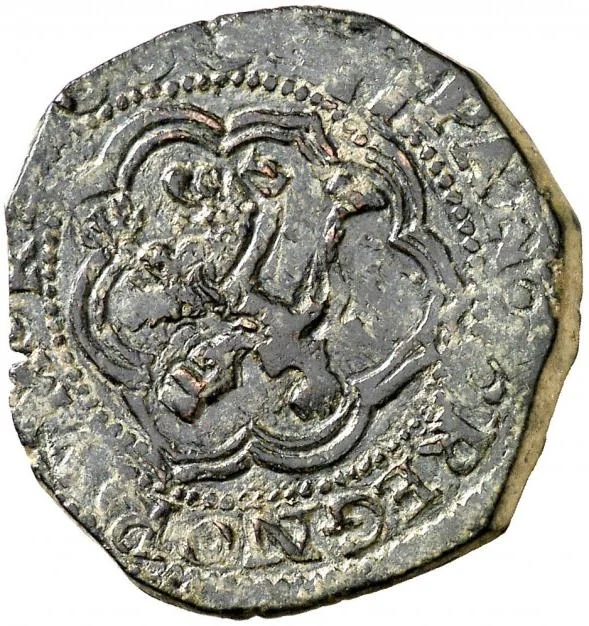
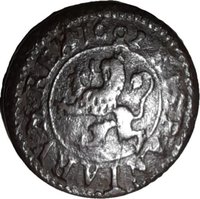
Reverse
Edge
Categories
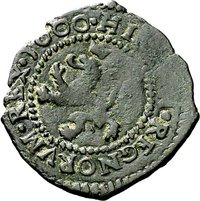
| Animal> Feline |
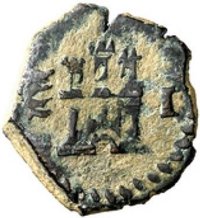
| Building> Castle or fortification |
Mints
| Name | Mark |
|---|---|
| Cuenca | — |
Mintings
| Year | Mint Mark | Mintage | Quality | Collection |
|---|---|---|---|---|
| 1600 | — | — | ||
| 1601 | — | — | ||
| 1602 | — | — |
Historical background
In the year 1600, Spain stood at the apex of its global power, yet its monetary system was a complex and strained patchwork. The primary currency was the silver real, with the famous piece of eight (8 reales) serving as a key international trade coin, later immortalized as the Spanish dollar. However, the system was complicated by the coexistence of gold coins like the escudo and a plethora of local billon (low-grade silver) coins for everyday use. More critically, the sheer volume of precious metals flooding in from American mines, particularly from Potosí, was beginning to trigger severe inflation, a phenomenon contemporary economists termed the "Price Revolution," which eroded the real value of money across Europe.
This influx of bullion created a paradoxical situation. While the crown's coffers swelled, the wealth was largely spent on costly military campaigns in the Netherlands and the Mediterranean, vast imperial administration, and luxury imports, leading to constant fiscal deficits. To meet expenses, the Habsburg monarchy resorted to destructive financial instruments, most notably the devaluation of the copper vellón coinage. By reducing its silver content and eventually issuing pure copper coins at artificially high face values, the crown generated short-term revenue but sparked rampant inflation, public mistrust, and currency confusion, as the intrinsic value of coins diverged wildly from their nominal worth.
Consequently, by the dawn of the 17th century, Spain was already exhibiting the economic vulnerabilities that would lead to later crises. The economy suffered from "bullionism," where precious metal was hoarded or exported to pay debts rather than stimulating domestic production. The repeated manipulations of the vellón currency foreshadowed the severe monetary collapses that would mark the reigns of Philip III and IV. Thus, in 1600, Spain’s currency system was a glittering but fragile edifice, underpinning global empire while masking profound structural weaknesses that would contribute to the nation’s gradual decline over the coming century.
This influx of bullion created a paradoxical situation. While the crown's coffers swelled, the wealth was largely spent on costly military campaigns in the Netherlands and the Mediterranean, vast imperial administration, and luxury imports, leading to constant fiscal deficits. To meet expenses, the Habsburg monarchy resorted to destructive financial instruments, most notably the devaluation of the copper vellón coinage. By reducing its silver content and eventually issuing pure copper coins at artificially high face values, the crown generated short-term revenue but sparked rampant inflation, public mistrust, and currency confusion, as the intrinsic value of coins diverged wildly from their nominal worth.
Consequently, by the dawn of the 17th century, Spain was already exhibiting the economic vulnerabilities that would lead to later crises. The economy suffered from "bullionism," where precious metal was hoarded or exported to pay debts rather than stimulating domestic production. The repeated manipulations of the vellón currency foreshadowed the severe monetary collapses that would mark the reigns of Philip III and IV. Thus, in 1600, Spain’s currency system was a glittering but fragile edifice, underpinning global empire while masking profound structural weaknesses that would contribute to the nation’s gradual decline over the coming century.
Series: 1600 Spain circulation coins
💎 Extremely Rare