
Logo Title
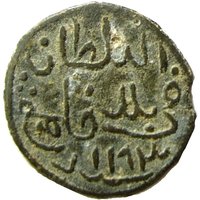
obverse
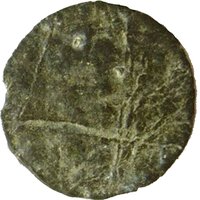
reverse
Jen Waters CC0

1 Pitis – Sultanate of Palembang

Indonesia
Context
Year: 1789
Islamic (Hijri) Year: 1203
Country: Indonesia Country flag
Currency:
Demonetized: Yes
Material
Diameter: 19 mm
Weight: 1.25 g
Composition: Tin
Magnetic: No
Technique: Cast
References
KM: #Click to copy to clipboard7
Numista: #131220

Obverse

Description:
Arabic inscription encircles hole, reading clockwise.
Inscription:
السلطان في بلد ڤلمبڠ ؁١٢٠٣
Script: Arabic

Reverse

Description:
Simple.

Edge

Plain

Mintings

YearMint MarkMintageQualityCollection
1789

Historical background

In 1789, the Sultanate of Palembang was a major Southeast Asian entrepôt, and its currency situation reflected its dual economic foundations: the lucrative export of pepper and tin, and its integration into wider regional trade networks. The primary medium of exchange was the Spanish silver dollar (real de a ocho), a global trade coin that arrived via European and Chinese merchants. These coins, along with other silver currencies like Dutch ducatons and Mexican pesos, were essential for high-value transactions, international trade, and state revenue, underscoring Palembang's connection to the global bullion flow.

Alongside this imported silver, the Sultanate maintained a local fiduciary coinage system of tin pitis. These small, holed coins were minted by the Sultanate itself and served as the everyday currency for the majority of the population in local markets and for small-scale trade. Their value was not inherent in the metal (tin was relatively low-value) but was decreed and stabilized by the royal authority. This created a bi-metallic system where high-value silver handled external trade and state finance, while low-denomination tin facilitated the domestic economy.

However, this monetary duality was under strain. Fluctuations in the global price of pepper and tin could disrupt the inflow of essential silver. Furthermore, the increasing economic and political encroachment of the Dutch East India Company (VOC), which had a fortified post in Palembang, began to challenge the Sultan's control over the monetary system. The VOC sought to impose its own trade terms and currency preferences, creating a tension between local sovereignty and foreign influence that would define Palembang's economic trajectory in the coming decades.
🌱 Fairly Common