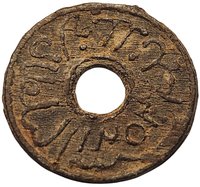
In 1805, the Sultanate of Palembang, a wealthy polity on the island of Sumatra, was navigating a complex and transitional monetary landscape. The economy was fundamentally driven by the lucrative export of pepper, tin, and other commodities, which integrated the sultanate into regional and global trade networks. This integration necessitated a multi-currency system where various forms of money circulated simultaneously. The most prestigious and authoritative currency was the
Palembang pitis, a locally minted tin coin often stamped with the name of the reigning Sultan, Mahmud Badaruddin II (r. 1804-1821), serving as a symbol of sovereignty and facilitating everyday local transactions.
Alongside this local coinage, a plethora of foreign silver coins dominated higher-value trade, reflecting Palembang's position as a trading hub. Spanish American silver dollars (pieces of eight), Dutch guilders, and other regional silver currencies like the Mexican peso were widely used for substantial commercial dealings and acted as a store of value. The coexistence of these currencies created a dynamic, if sometimes unstable, exchange environment where their values fluctuated based on silver content, merchant confidence, and trade flows. Furthermore, in less formalized sectors of the economy, commodity money such as pepper itself continued to be used as a medium of exchange, a practice rooted in tradition.
This monetary pluralism occurred against a backdrop of increasing political pressure. While still nominally independent, the sultanate was caught between the lingering influence of the Dutch East India Company (VOC), which had been dissolved in 1799, and the emerging authority of the Dutch state government in Batavia. The year 1805 fell within a period of tense diplomacy, as the Dutch sought to reassert control over Palembang's tin mines and trade. Consequently, the currency situation was not merely an economic matter but also a political one, with control over minting and the flow of silver becoming points of contention in the wider struggle for sovereignty that would culminate in direct Dutch military intervention and conquest in 1821.