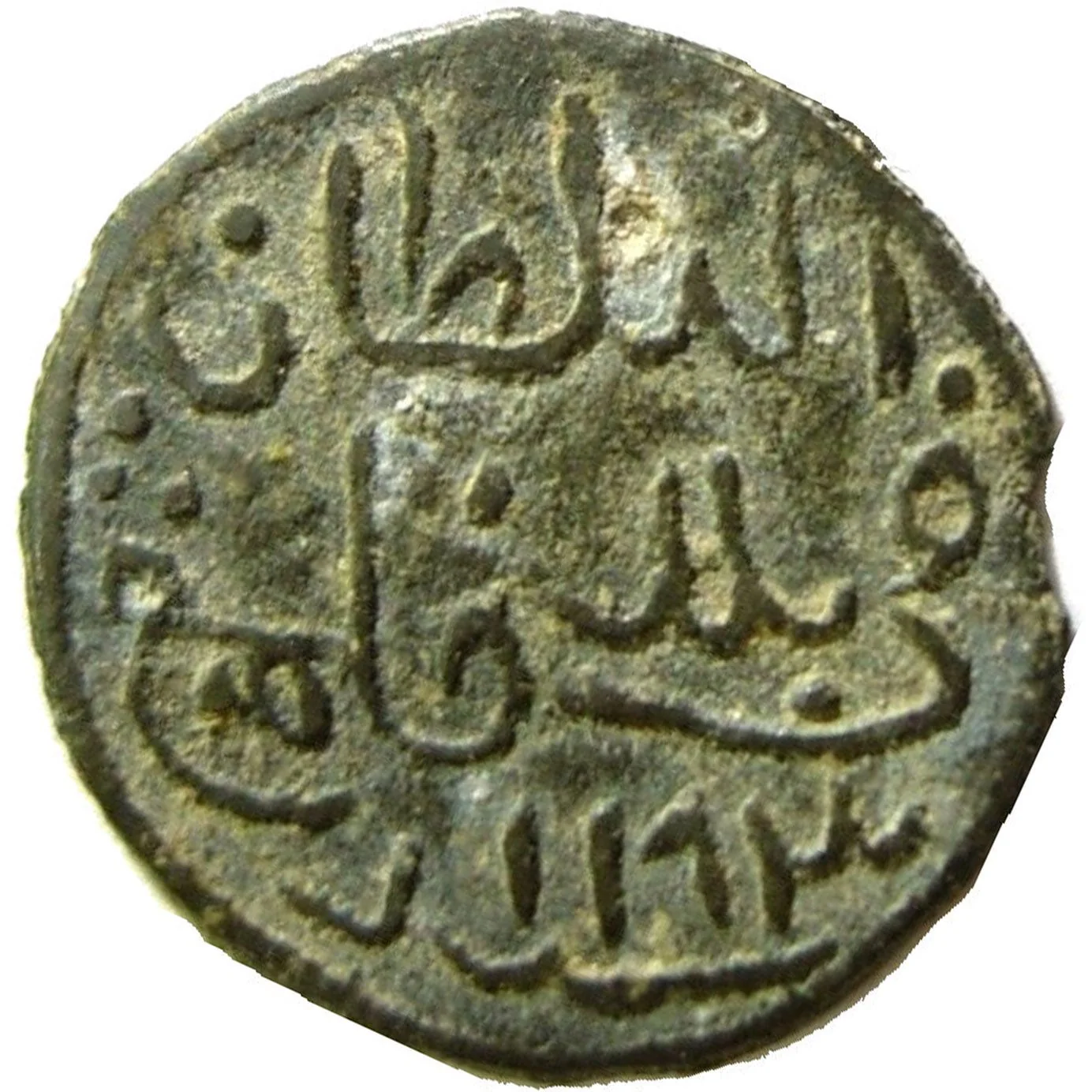
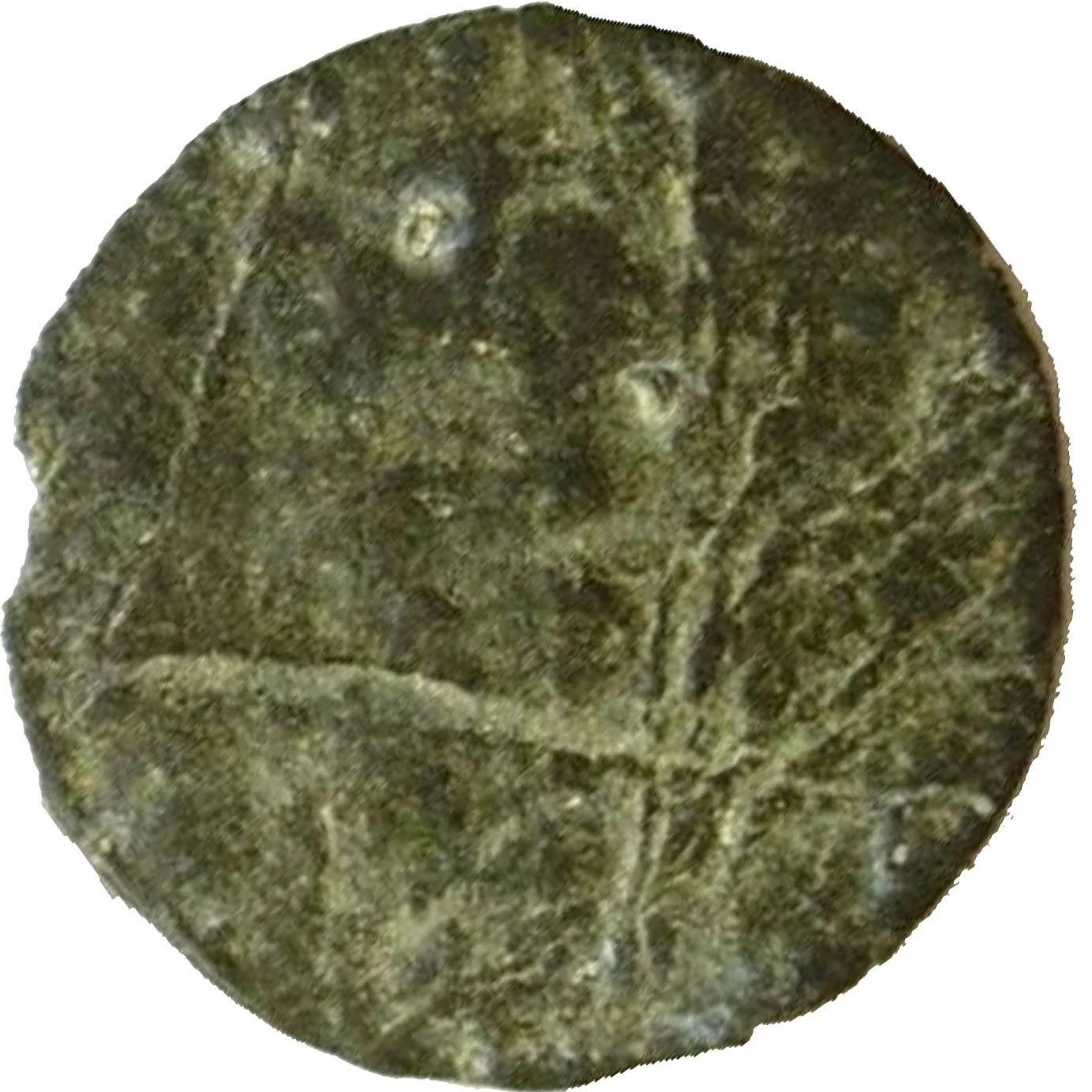
In 1779, the Sultanate of Palembang was a major Southeast Asian trading hub, and its currency situation reflected this complex economic position. The primary currency in circulation was the Spanish silver dollar (real de a ocho or "piece of eight"), a global trade coin that arrived via European and Chinese merchants. Alongside these, various other silver coins, including Dutch ducatons and Mexican pesos, circulated freely, valued by weight and purity rather than by issuing authority. This reliance on foreign specie underscored Palembang’s integration into international trade networks, particularly with the Dutch East India Company (VOC), China, and other Malay archipelago ports.
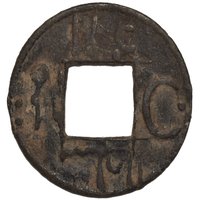
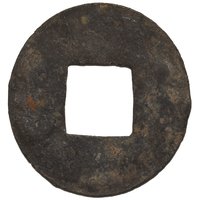
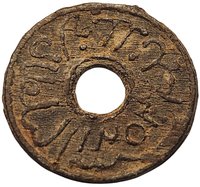
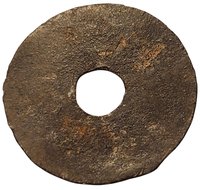
However, the Sultanate also maintained a local monetary system centered on the
tin pitis, a small, holed coin minted from imported tin. These coins served as essential fractional currency for daily market transactions among the common people, as the large silver coins were too valuable for small purchases. The Sultan held the royal prerogative over tin coinage, which provided a source of revenue and facilitated local commerce. Thus, a dual system existed: high-value international silver for large-scale trade and external dealings, and low-denomination tin for the internal bazaar economy.
This monetary landscape was under growing strain by 1779. The VOC, seeking greater control over the region's lucrative pepper and tin trade, was increasingly interfering in Palembang's affairs. Dutch economic pressure and political maneuvering were destabilizing the Sultanate's autonomy, which in turn threatened its control over its own currency systems. The reliance on foreign silver also made the economy vulnerable to fluctuations in global bullion flows. Consequently, the currency situation of 1779 mirrored the Sultanate's broader political reality: a still-functioning and sophisticated traditional economy, but one facing escalating external pressures that would ultimately lead to direct Dutch colonial intervention in the following decades.