

⅙ thaler – Brunswick-Lüneburg-Calenberg-Hannover
Add to wishlist
Germany
Context
Material
References
KM: #
Numista: #131131
Value
Bullion value: $8.32
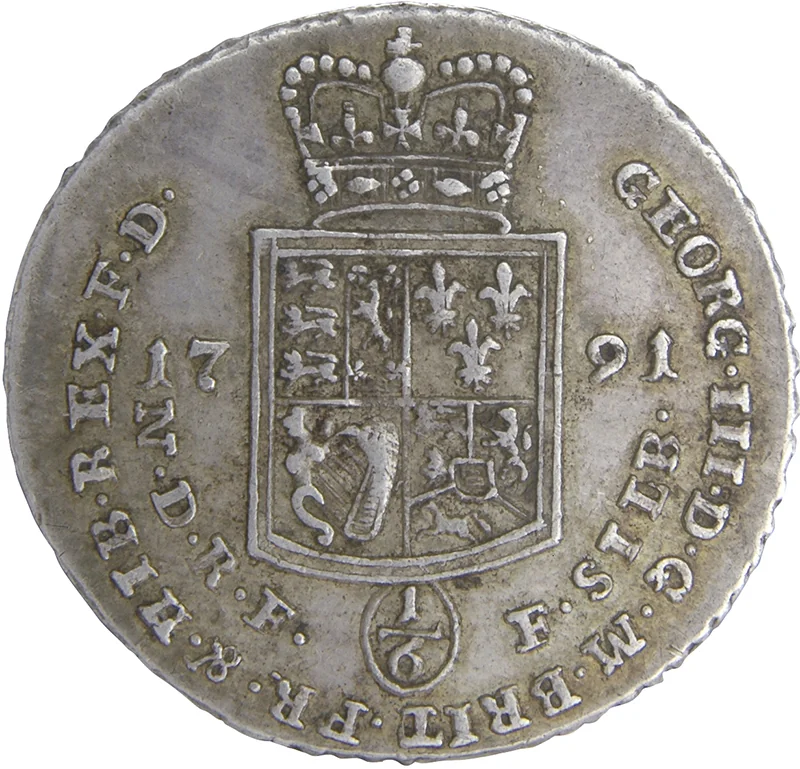
Obverse
Description:
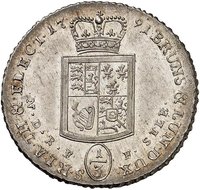
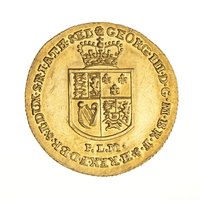
Crowned coat of arms, oval value below, year flanked.
Inscription:
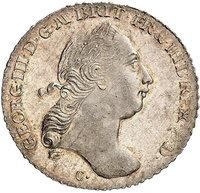
GEORG·III·D·G·M·BRIT·FR·&·HIB·REX·F·D
1791
N·D·R·F 1/6 F·SILB·
1791
N·D·R·F 1/6 F·SILB·
Script: Latin
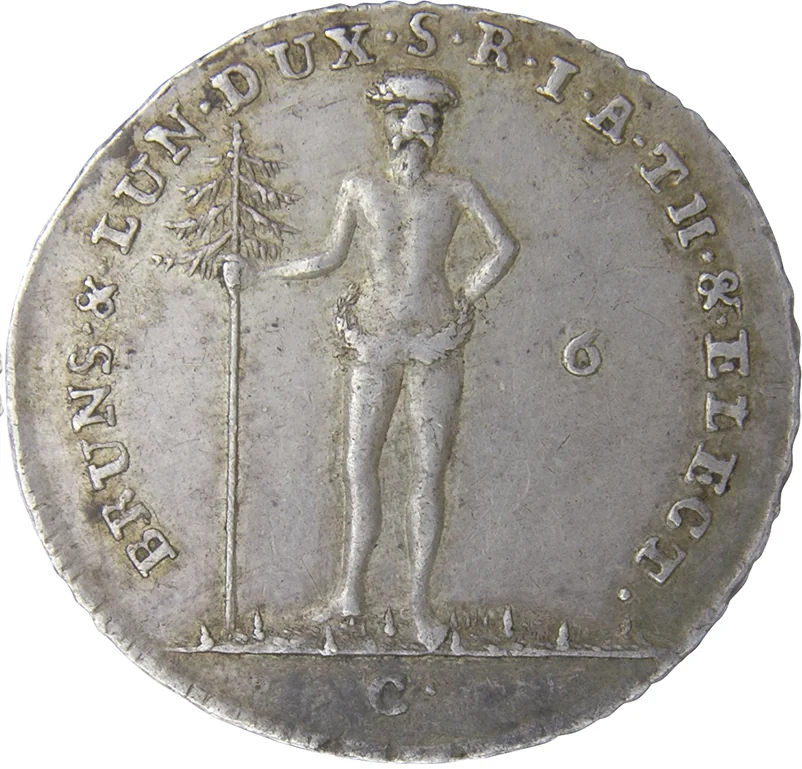
Reverse
Description:
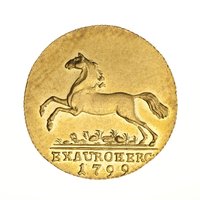
Wild man holding pine tree, value on right.
Inscription:
BRUNS·&·LUN·DUX·S·R·I·A·TH·&·ELEGT·
6
C·
6
C·
Script: Latin
Edge
Chain track
Mints
| Name | Mark |
|---|---|
| Clausthal | — |
Mintings
| Year | Mint Mark | Mintage | Quality | Collection |
|---|---|---|---|---|
| 1790 | C. | — | ||
| 1791 | C. | — |
Historical background
In 1790, the currency situation in the Duchy of Brunswick-Lüneburg, specifically the Principality of Calenberg (with its capital in Hanover), was complex and fragmented, reflecting the broader political structure of the Holy Roman Empire. The territory was part of the personal union with Great Britain under King George III, but its monetary system remained distinctly German and regional. The primary accounting unit was the Reichsthaler (Imperial Thaler), divided into 24 Gutegroschen or 288 Pfennige, but this existed alongside a plethora of actual circulating coins from various mints within the Brunswick-Lüneburg dynastic lands and neighboring states.
Circulation was dominated by a mix of silver coins, notably the Mariengroschen and Gutegroschen, alongside smaller Pfennig coins. However, the system suffered from chronic instability due to the practice of Kipper- und Wipperzeit debasement legacies and the continuous issuance of lower-quality subsidiary coins by multiple authorities to fund local expenditures. This led to a discrepancy between the official Kurantgeld (full-value specie) and the depreciated Scheidemünzen (small change), causing confusion and hindering trade.
Furthermore, Hanover's economy was influenced by its British connection, with some influx of English gold guineas and trade coins, but this did not create a unified system. The lack of a central, authoritative currency policy meant merchants and citizens had to navigate fluctuating exchange rates between numerous coin types, a situation that would persist until the Napoleonic reforms and later the creation of a unified German monetary system in the 19th century.
Circulation was dominated by a mix of silver coins, notably the Mariengroschen and Gutegroschen, alongside smaller Pfennig coins. However, the system suffered from chronic instability due to the practice of Kipper- und Wipperzeit debasement legacies and the continuous issuance of lower-quality subsidiary coins by multiple authorities to fund local expenditures. This led to a discrepancy between the official Kurantgeld (full-value specie) and the depreciated Scheidemünzen (small change), causing confusion and hindering trade.
Furthermore, Hanover's economy was influenced by its British connection, with some influx of English gold guineas and trade coins, but this did not create a unified system. The lack of a central, authoritative currency policy meant merchants and citizens had to navigate fluctuating exchange rates between numerous coin types, a situation that would persist until the Napoleonic reforms and later the creation of a unified German monetary system in the 19th century.
✨ Legendary