

5 guineas – England
Add to wishlist
United Kingdom
Context
Years: 1699–1700
Country: United Kingdom
Issuer: England
Ruler: William III
Currency:
(1158—1970)
Demonetized: Yes
Material
References
KM: #
Numista: #12976
Value
Bullion value: $5900.25
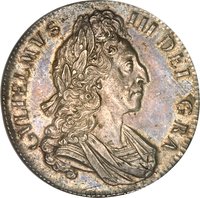
Obverse
Description:
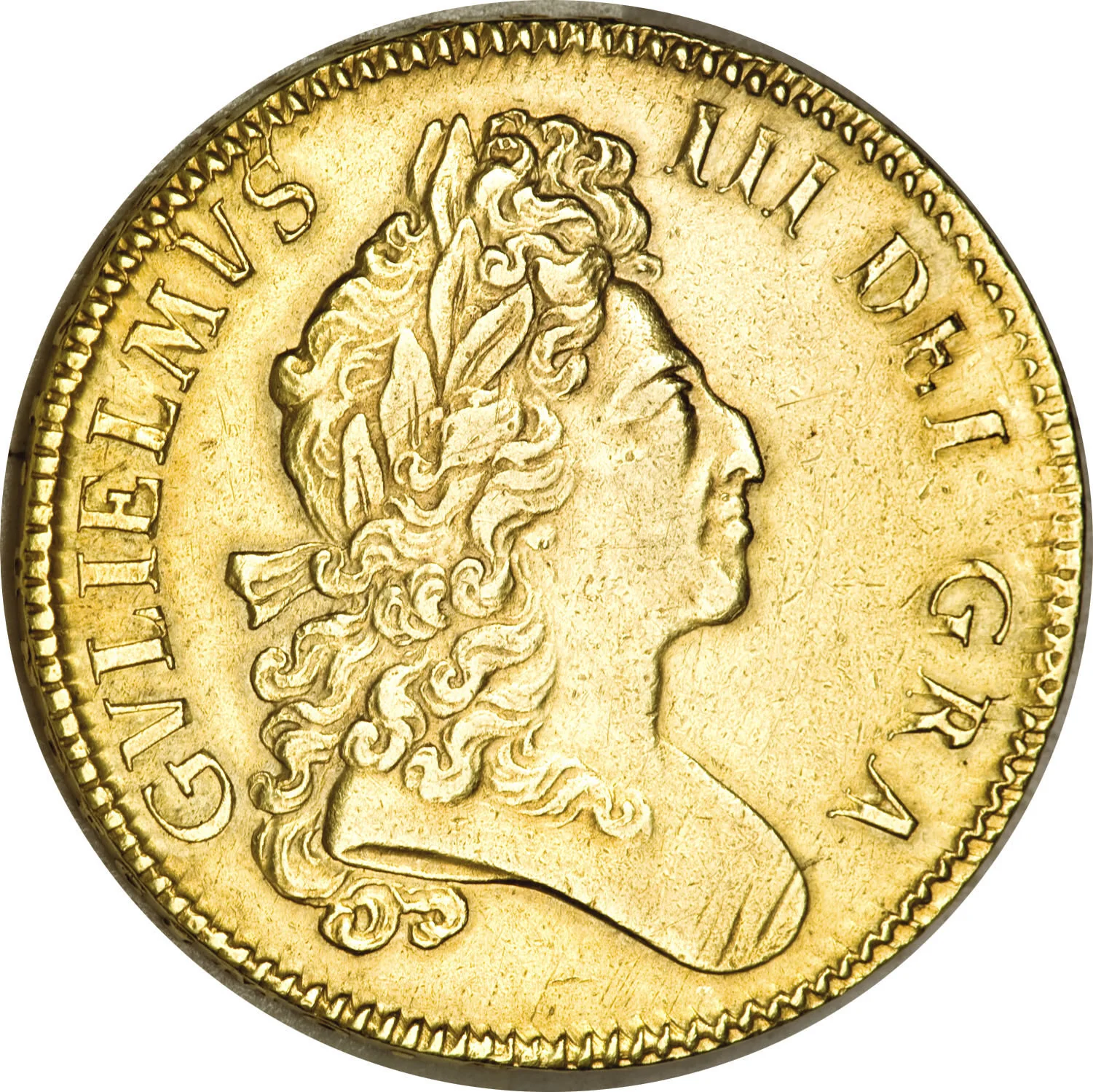
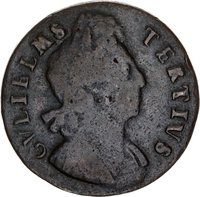
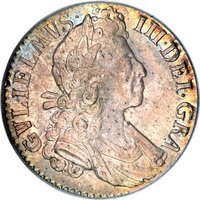
King William III laureate bust right, legend surrounding.
Inscription:
GVLIELMVS III DEI GRA
Script: Latin
Engraver: John Croker
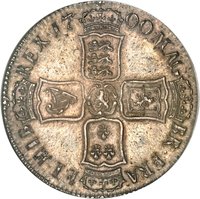
Reverse
Description:
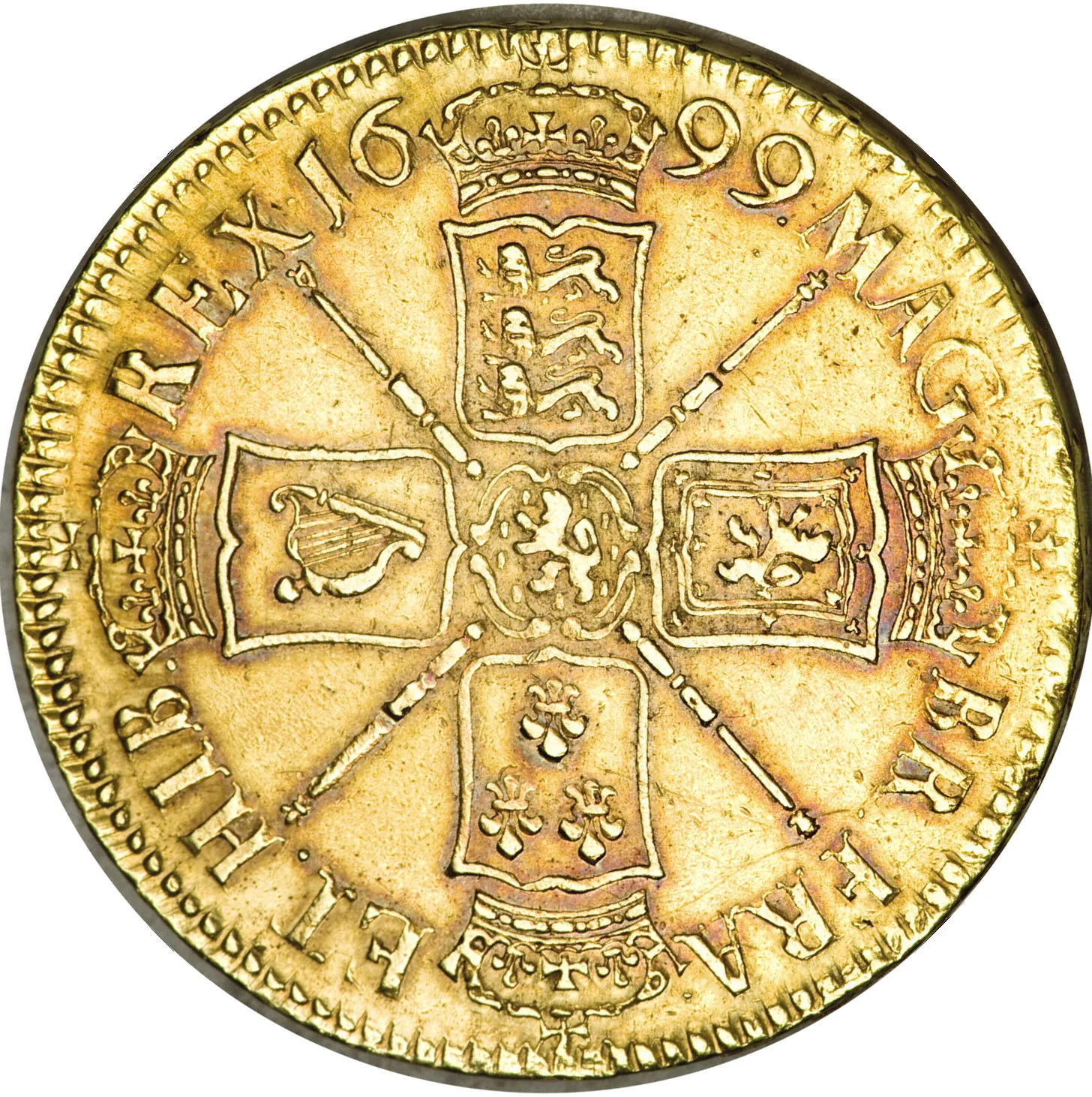
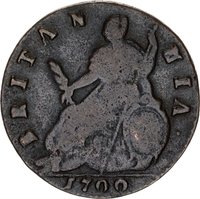
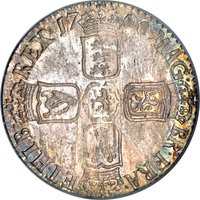
Crowned shields flank a central lion; sceptres with national emblems in corners, date above, legend around.
Inscription:
MAG· BR·FRA· ET·HIB REX·16 99·
Script: Latin
Edge
Regnal year in Latin
Legend:
UNDECIMO
Mintings
| Year | Mint Mark | Mintage | Quality | Collection |
|---|---|---|---|---|
| 1699 | — | — | ||
| 1700 | — | — |
Historical background
In 1699, England’s currency system was in a state of severe crisis, primarily due to the widespread problem of coinage clipping and wear. For decades, individuals had been illegally shaving small amounts of precious metal from the edges of silver coins, while general wear further reduced their bullion content. Consequently, the face value of coins in circulation far exceeded their intrinsic metal value. This led to Gresham’s Law in action: "bad money drives out good." Undamaged, full-weight coins were hoarded or melted down for profit, leaving only the degraded coins for daily trade, which foreign merchants and domestic creditors increasingly refused to accept at face value.
The crisis came to a head following the Great Recoinage of 1696, a massive and costly government effort led by figures like Isaac Newton, as Warden of the Mint. The plan was to recall all old, damaged silver coins and replace them with new, milled-edge coins that were difficult to clip. However, by 1699, this arduous process was largely complete, but with profound economic consequences. The recoinage had been financed by a new window tax and had caused a severe shortage of circulating currency during its implementation, crippling commerce. Crucially, the government made the fateful decision to remint the old silver coins at their traditional face value, despite the lower bullion weight, effectively subsidising the loss at enormous public expense.
Therefore, the currency situation in 1699 was one of fragile recovery burdened by debt and a shifted monetary reality. The immediate physical crisis of bad coins was resolved, but the Treasury was left deeply in debt from the operation. More lastingly, the episode demonstrated the vulnerability of silver coinage and accelerated a move towards a gold standard. The gold guinea, originally worth 20 shillings, had fluctuated wildly during the crisis, but its stability became increasingly attractive. The events surrounding 1699 thus marked a pivotal transition, setting England on a path where gold would ultimately become the principal measure of value, fundamentally shaping its future financial system.
The crisis came to a head following the Great Recoinage of 1696, a massive and costly government effort led by figures like Isaac Newton, as Warden of the Mint. The plan was to recall all old, damaged silver coins and replace them with new, milled-edge coins that were difficult to clip. However, by 1699, this arduous process was largely complete, but with profound economic consequences. The recoinage had been financed by a new window tax and had caused a severe shortage of circulating currency during its implementation, crippling commerce. Crucially, the government made the fateful decision to remint the old silver coins at their traditional face value, despite the lower bullion weight, effectively subsidising the loss at enormous public expense.
Therefore, the currency situation in 1699 was one of fragile recovery burdened by debt and a shifted monetary reality. The immediate physical crisis of bad coins was resolved, but the Treasury was left deeply in debt from the operation. More lastingly, the episode demonstrated the vulnerability of silver coinage and accelerated a move towards a gold standard. The gold guinea, originally worth 20 shillings, had fluctuated wildly during the crisis, but its stability became increasingly attractive. The events surrounding 1699 thus marked a pivotal transition, setting England on a path where gold would ultimately become the principal measure of value, fundamentally shaping its future financial system.
✨ Legendary