

1 Farthing – England
United Kingdom
Context
Years: 1672–1679
Country: United Kingdom 
Issuer: England 
Ruler: Charles II
Currency:
(1158—1970)
Demonetization: 31 December 1869
Material
References
KM: #Click to copy to clipboard436.1
Numista: #12907
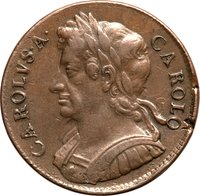
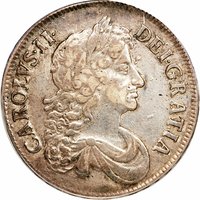
Obverse
Description:
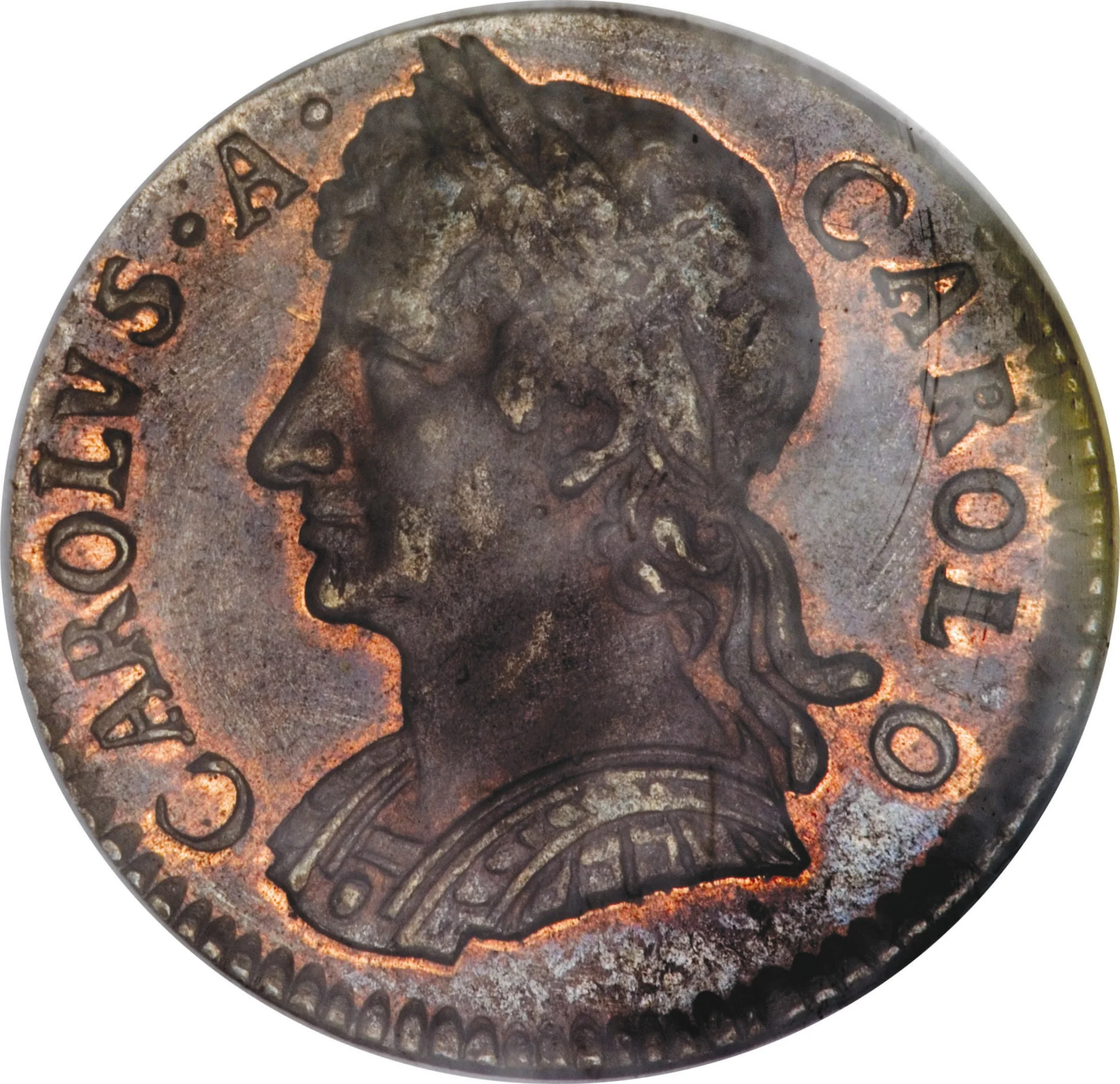
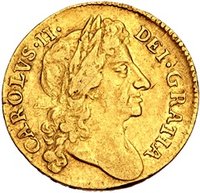
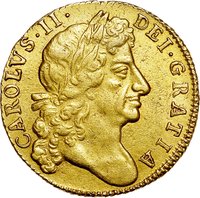
Laureate, cuirassed bust of Charles II left, legend surrounding.
Inscription:
CAROLVS·A· CAROLO
Script: Latin
Reverse
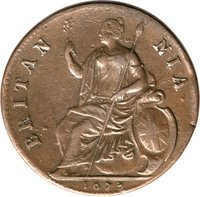
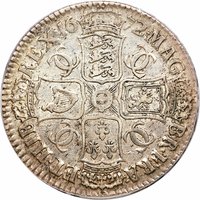
Description:
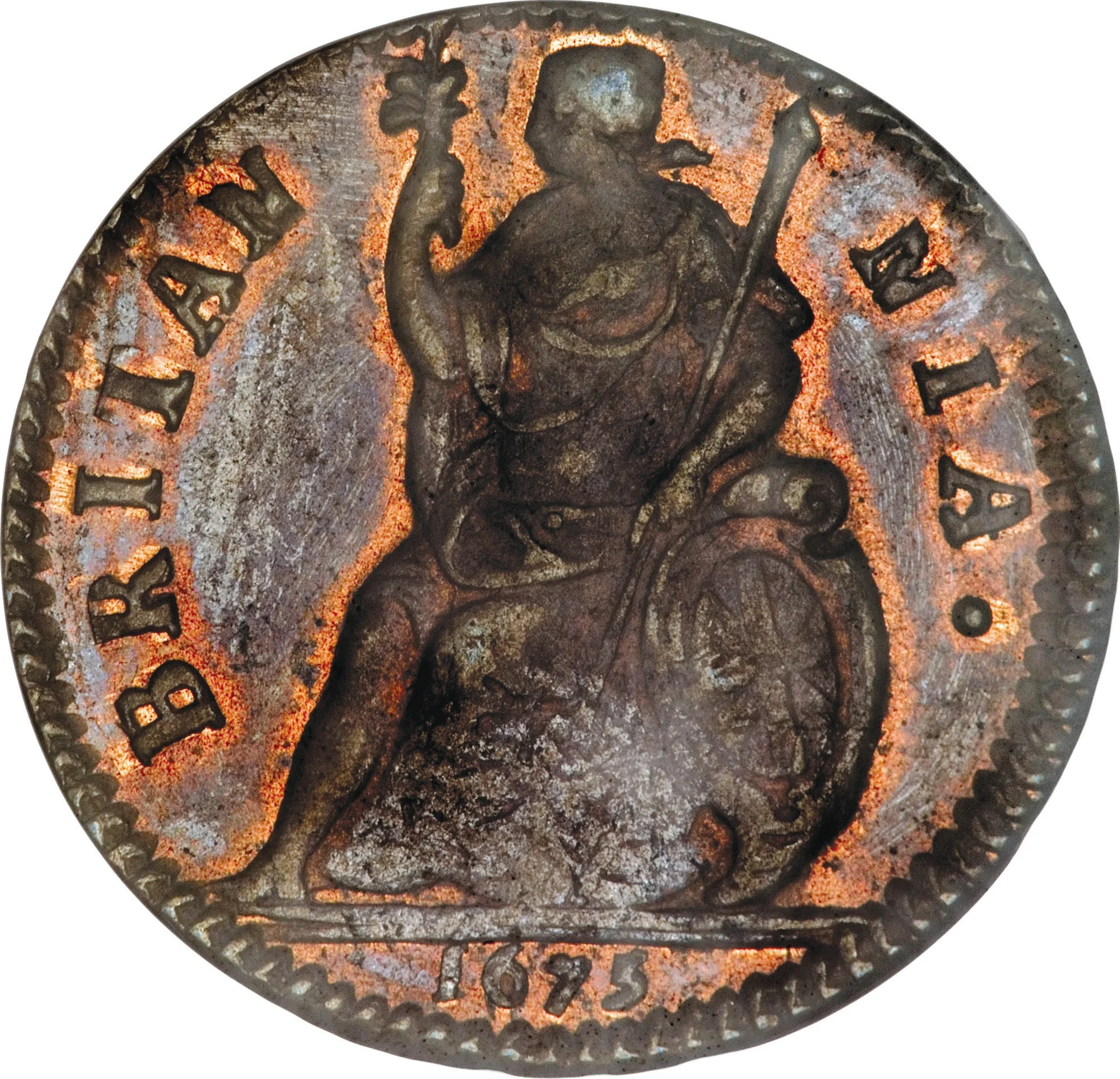
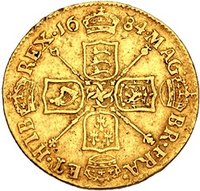
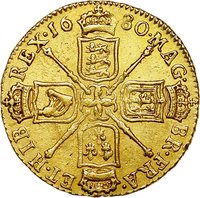
Britannia seated left, holding spear and olive branch, with Union Jack shield beside her; legend around, date below.
Inscription:
BRITANNIA·
1675
1675
Script: Latin
Edge
Plain
Mintings
| Year | Mint Mark | Mintage | Quality | Collection |
|---|---|---|---|---|
| 1672 | — | — | ||
| 1673 | — | — | ||
| 1674 | — | — | ||
| 1675 | — | — | ||
| 1679 | — | — |
Historical background
In 1672, England faced a severe monetary crisis rooted in the Crown's chronic financial mismanagement. King Charles II's government, heavily indebted from the Anglo-Dutch Wars and his extravagant court, had long relied on borrowing from London goldsmith bankers, who in turn held deposits from the public. By January 1672, the Crown's debts exceeded £1.3 million, and with tax revenues insufficient and Parliament unwilling to grant new funds, the Treasury was effectively bankrupt. This dire situation forced the King to take drastic and controversial action.
Consequently, on 2 January 1672, Charles II issued the "Stop of the Exchequer," a unilateral decree suspending all payments of principal from the royal treasury for one year. This was not a devaluation of the coinage itself, but a sovereign default on his debts to the goldsmiths, who were left unable to repay their own depositors. The move shattered public confidence in the banking system and the Crown's creditworthiness, causing widespread financial distress among merchants, aristocrats, and ordinary citizens who had entrusted their savings to the goldsmiths.
The Stop exacerbated an existing problem of clipped and worn silver coinage in circulation, as the loss of faith in paper credit heightened demand for physical specie. While the Great Recoinage of 1696 was still in the future, the crisis of 1672 laid bare the fragility of the state's finances and the nascent banking system. It underscored the Crown's inability to manage its funds without parliamentary oversight, a tension that would contribute to the political conflicts leading to the Glorious Revolution of 1688 and, ultimately, to the establishment of the Bank of England in 1694 to provide stable government credit.
Consequently, on 2 January 1672, Charles II issued the "Stop of the Exchequer," a unilateral decree suspending all payments of principal from the royal treasury for one year. This was not a devaluation of the coinage itself, but a sovereign default on his debts to the goldsmiths, who were left unable to repay their own depositors. The move shattered public confidence in the banking system and the Crown's creditworthiness, causing widespread financial distress among merchants, aristocrats, and ordinary citizens who had entrusted their savings to the goldsmiths.
The Stop exacerbated an existing problem of clipped and worn silver coinage in circulation, as the loss of faith in paper credit heightened demand for physical specie. While the Great Recoinage of 1696 was still in the future, the crisis of 1672 laid bare the fragility of the state's finances and the nascent banking system. It underscored the Crown's inability to manage its funds without parliamentary oversight, a tension that would contribute to the political conflicts leading to the Glorious Revolution of 1688 and, ultimately, to the establishment of the Bank of England in 1694 to provide stable government credit.
Series: 1672 England circulation coins
🌱 Common