

4 Bolognini – Bologna
Italy
Context
Years: 1721–1724
Country: Italy 
Issuer: Bologna
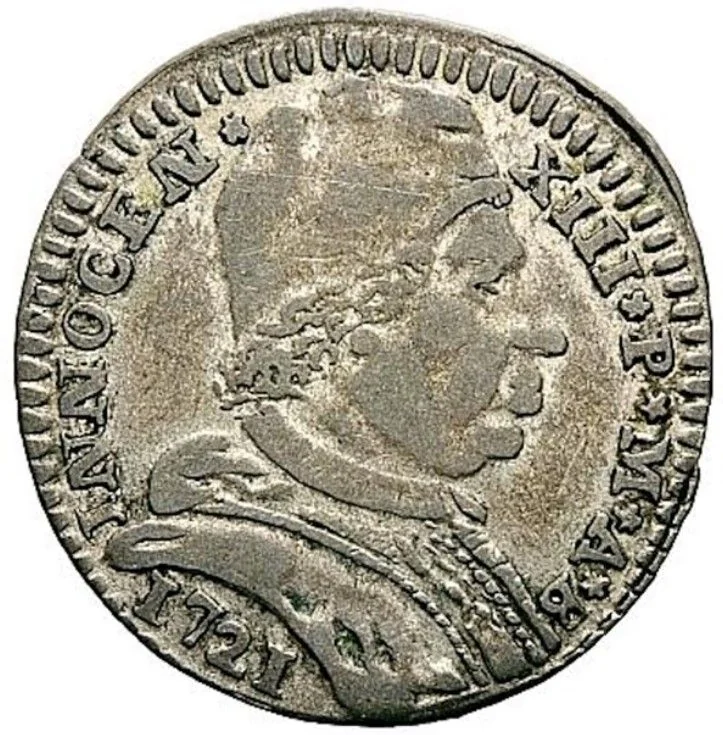
Ruler: Innocent XIII
Currency:
(1534—1835)
Demonetized: Yes
Material
References
KM: #Click to copy to clipboard163
Numista: #128960
Obverse
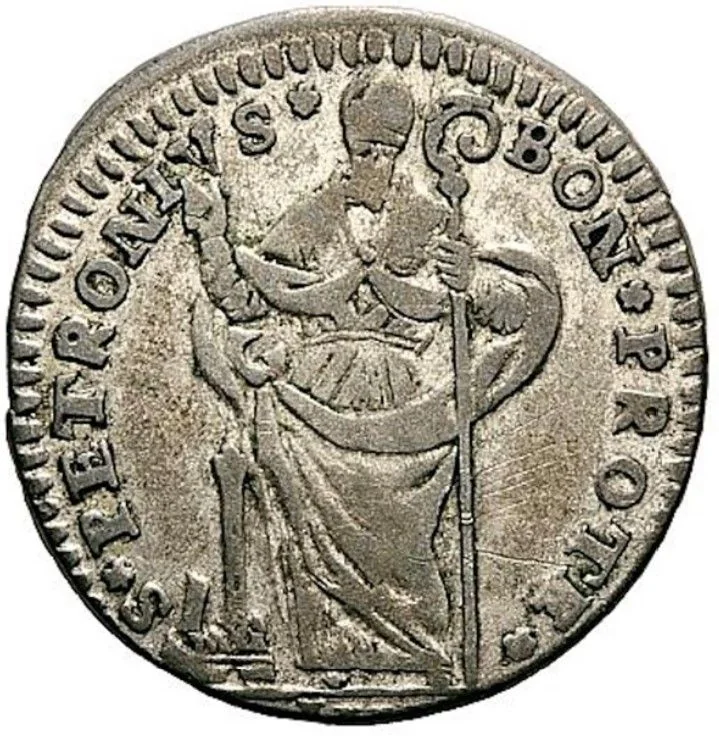
Reverse
Description:
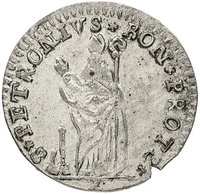
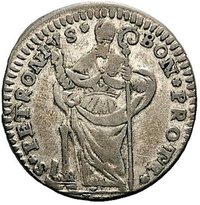
St. Peter standing, Roman numerals in exergue.
Inscription:
S·PETRONIVS· BON·PROTE
Script: Latin
Edge
Categories
| Person> Religious figure |
| Symbol> Hand |
| Object> Hat |
| Person> Monarch |
| Religion> Religious objects |
Mints
| Name | Mark |
|---|---|
| Bologna | — |
Mintings
| Year | Mint Mark | Mintage | Quality | Collection |
|---|---|---|---|---|
| 1721 | — | — | ||
| 1722 | — | — | ||
| 1723 | — | — | ||
| 1724 | — | — |
Historical background
In 1721, Bologna existed within a complex monetary landscape typical of the Italian peninsula prior to unification. The city was part of the Papal States, meaning its official currency was the Papal scudo, along with its subdivisions like the giulio and baiocco. However, the practical reality was one of significant monetary pluralism. A multitude of foreign coins, particularly Spanish silver reales and gold doppie from various Italian and European states, circulated freely alongside papal issues, their value determined by fluctuating market agreement rather than fixed decree.
This system created chronic instability for commerce and daily life. The intrinsic value of a coin (its metal content) was paramount, leading to frequent clipping, counterfeiting, and the hoarding of "good" heavy coins, which left worn or debased coins in common circulation. Furthermore, the exchange rates between gold, silver, and copper coinages shifted constantly, often manipulated by money-changers (banchieri). For Bolognese merchants and citizens, this meant prices and contracts often had to be specified in a particular named coin, and routine transactions required careful scrutiny of metal weight and fineness.
The situation was a source of frustration for both the municipal government and the papal legate who ruled the city. While the papal authorities in Rome periodically issued edicts to fix exchange rates and prohibit certain foreign coins, these attempts at control were largely ineffective against entrenched market forces and regional trade necessities. Consequently, Bologna in 1721 operated with a fragile and often chaotic monetary system, where the official currency existed alongside a shadowy but essential economy of valuation and exchange, reflecting the city’s position at the crossroads of regional and international trade.
This system created chronic instability for commerce and daily life. The intrinsic value of a coin (its metal content) was paramount, leading to frequent clipping, counterfeiting, and the hoarding of "good" heavy coins, which left worn or debased coins in common circulation. Furthermore, the exchange rates between gold, silver, and copper coinages shifted constantly, often manipulated by money-changers (banchieri). For Bolognese merchants and citizens, this meant prices and contracts often had to be specified in a particular named coin, and routine transactions required careful scrutiny of metal weight and fineness.
The situation was a source of frustration for both the municipal government and the papal legate who ruled the city. While the papal authorities in Rome periodically issued edicts to fix exchange rates and prohibit certain foreign coins, these attempts at control were largely ineffective against entrenched market forces and regional trade necessities. Consequently, Bologna in 1721 operated with a fragile and often chaotic monetary system, where the official currency existed alongside a shadowy but essential economy of valuation and exchange, reflecting the city’s position at the crossroads of regional and international trade.
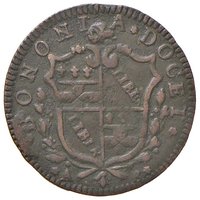
Series: 1721 Bologna circulation coins
✨ Legendary