

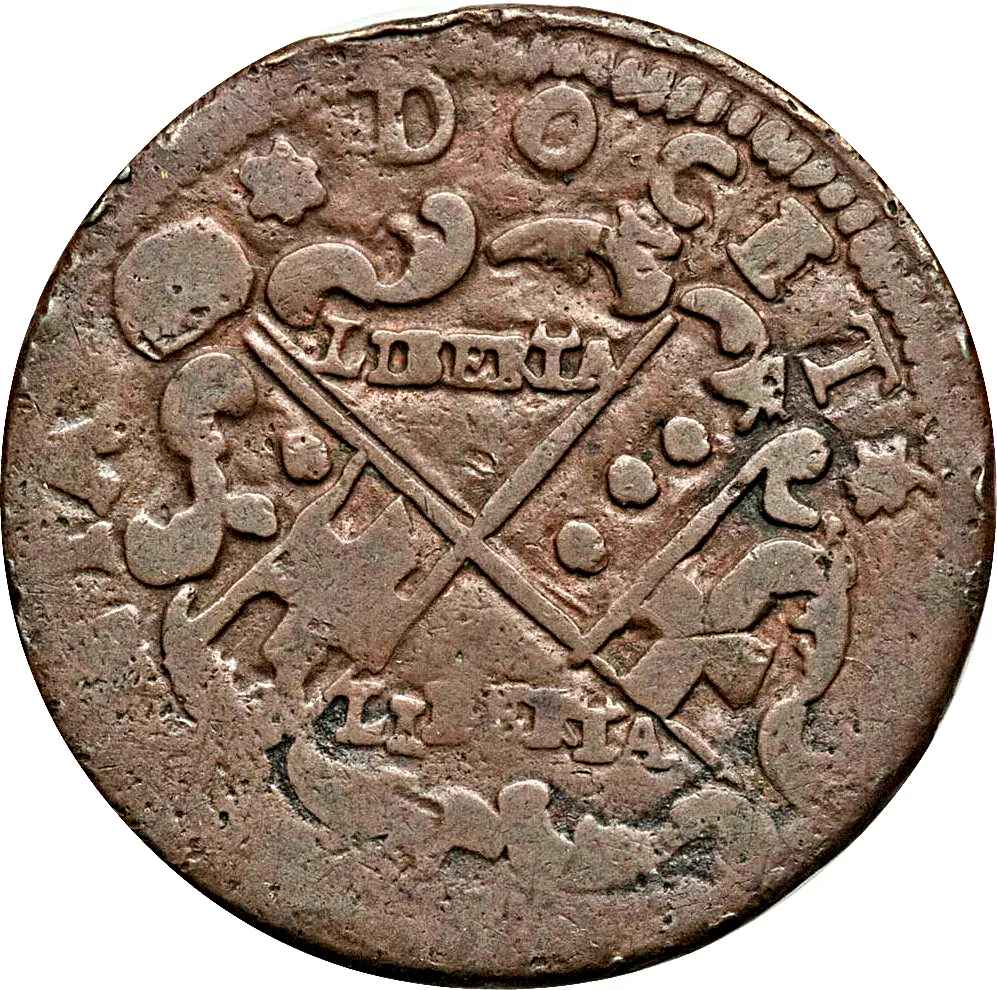
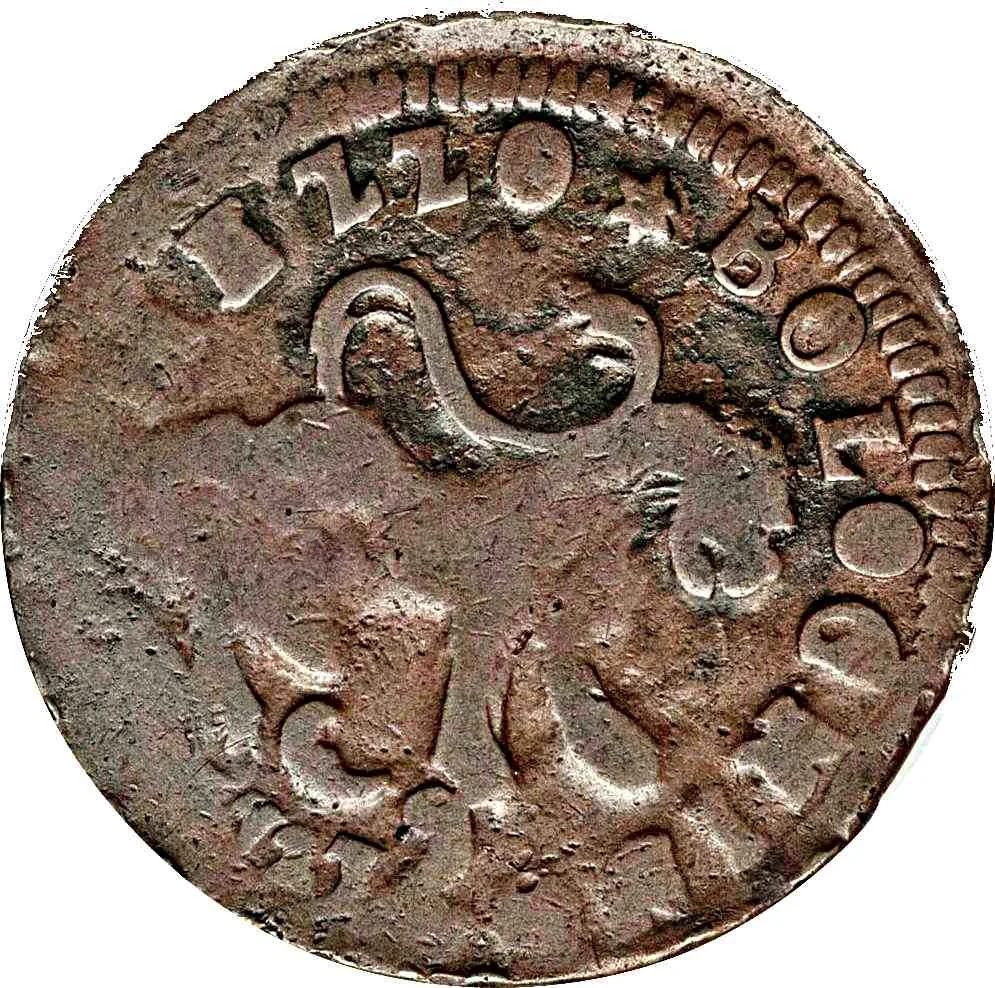
½ bolognino – Bologna
Add to wishlist
Italy
Context
Years: 1724–1730
Country: Italy
Issuer: Bologna
Ruler: Benedict XIII
Currency:
(1534—1835)
Demonetized: Yes
Material
Diameter: 27 mm
Weight: 3.06 g
Shape: Round
Composition: Copper
Standard: Gold tenth ounce
Magnetic: No
References
KM: #
Numista: #46647
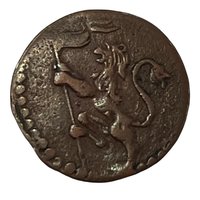
Obverse
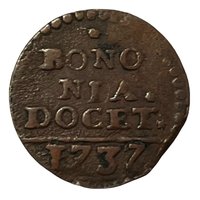
Reverse
Edge
Mintings
| Year | Mint Mark | Mintage | Quality | Collection |
|---|---|---|---|---|
| 1724 | — | — | ||
| 1725 | — | — | ||
| 1726 | — | — | ||
| 1728 | — | — | ||
| 1729 | — | — | ||
| 1730 | — | — |
Historical background
In 1724, Bologna’s currency situation was a complex tapestry reflecting its political subjugation and economic pragmatism. Though part of the Papal States since the 16th century, the city retained a degree of administrative autonomy, including the right to mint its own coinage at its historic Zecca (mint). The circulating medium was a mixture of these local coins and those issued by the papal authority in Rome, creating a dual-system where values had to be constantly reconciled. The most important local silver coin was the Bolognino, but higher-value trade was dominated by the Papal Scudo and foreign coins like the Spanish Real and various Italian state currencies, all circulating simultaneously.
This multiplicity led to chronic challenges. Exchange rates between these coins fluctuated based on their precious metal content, which was often debased by various issuing authorities to raise revenue. Consequently, merchants and bankers in Bologna’s bustling markets had to rely on published tariffe (exchange lists) to conduct daily business, a system prone to confusion and fraud. The Papal government sought to impose order from Rome, but local economic necessity often dictated practice, leading to a persistent tension between official mandates and the de facto circulation.
Ultimately, the monetary landscape of 1724 Bologna was one of managed disorder. It served the city’s commercial needs but was inherently unstable, requiring constant vigilance from its money-changers and civic authorities. This situation would persist until more centralized reforms were enacted later in the 18th century, gradually eroding Bologna’s minting privileges and drawing its economy more firmly into the papal monetary orbit.
This multiplicity led to chronic challenges. Exchange rates between these coins fluctuated based on their precious metal content, which was often debased by various issuing authorities to raise revenue. Consequently, merchants and bankers in Bologna’s bustling markets had to rely on published tariffe (exchange lists) to conduct daily business, a system prone to confusion and fraud. The Papal government sought to impose order from Rome, but local economic necessity often dictated practice, leading to a persistent tension between official mandates and the de facto circulation.
Ultimately, the monetary landscape of 1724 Bologna was one of managed disorder. It served the city’s commercial needs but was inherently unstable, requiring constant vigilance from its money-changers and civic authorities. This situation would persist until more centralized reforms were enacted later in the 18th century, gradually eroding Bologna’s minting privileges and drawing its economy more firmly into the papal monetary orbit.
✨ Legendary