In the early 18th century, the Sultanate of Sumenep on the island of Madura operated within a complex dual-currency system, reflecting its position between Javanese political influence and the burgeoning power of the Dutch East India Company (VOC). The local economy was fundamentally rooted in a subsistence agricultural base, with rice and cattle as primary commodities. For everyday market transactions, traditional commodity money such as rice and
picis (low-value Chinese lead coins) circulated widely among the common people, facilitating small-scale trade and tax payments to local lords.
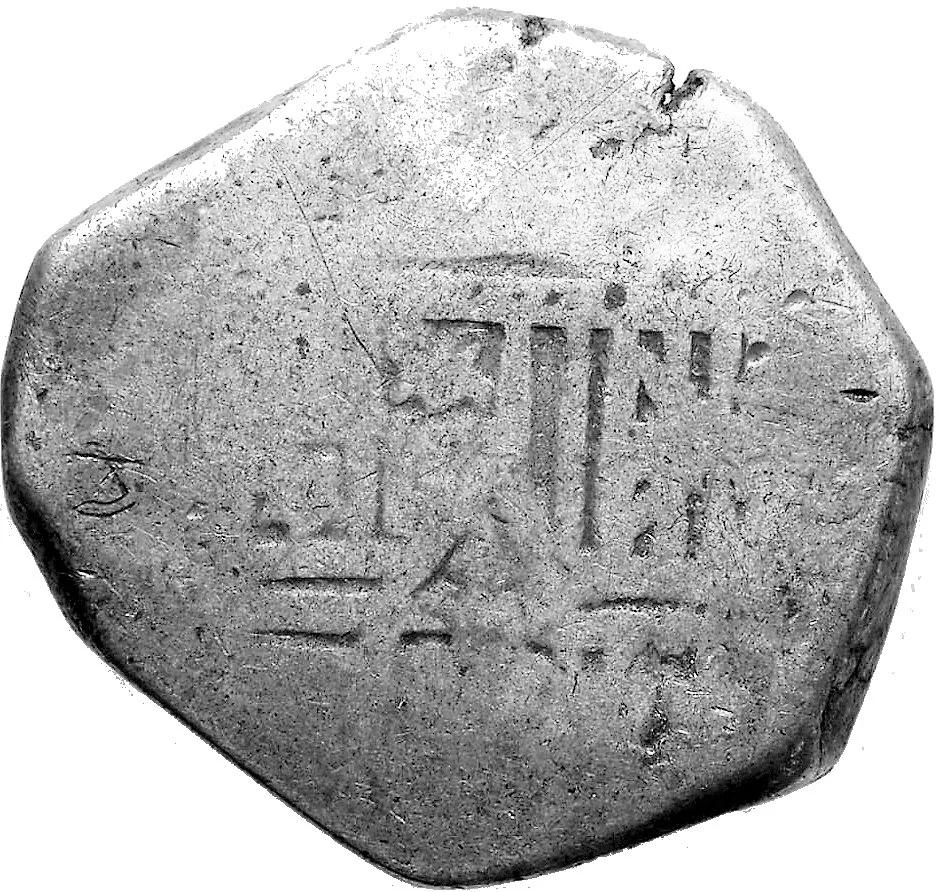
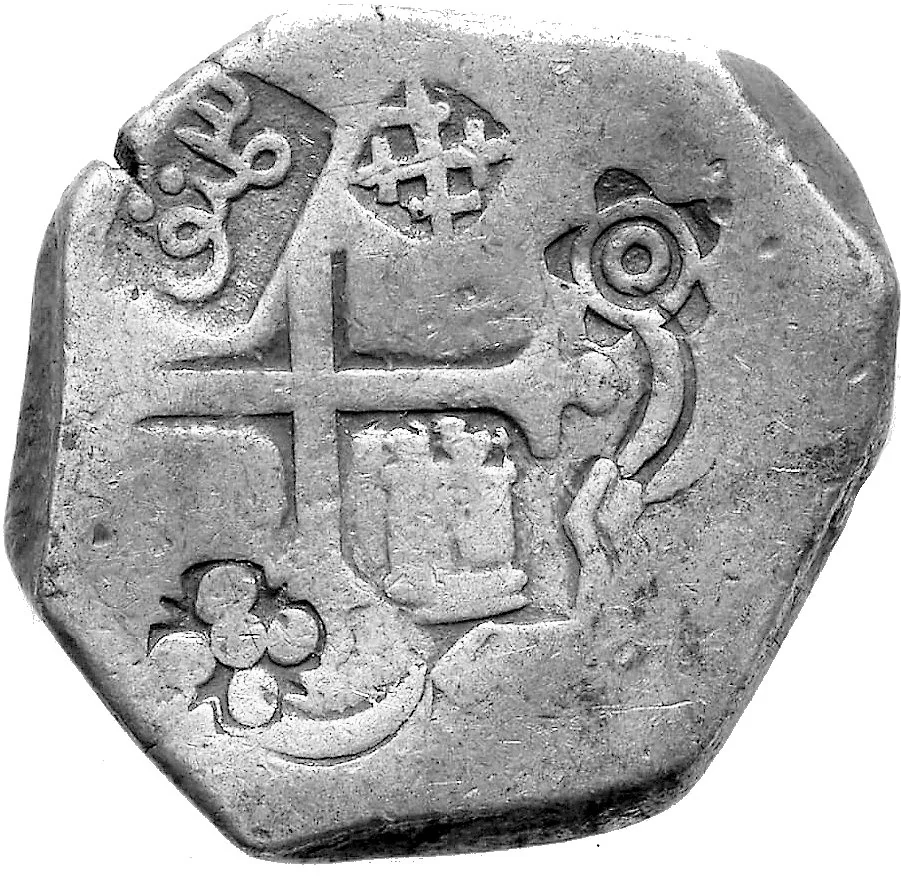
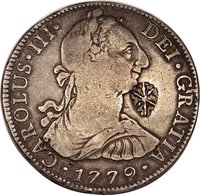
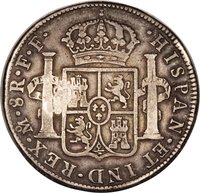
However, by 1730, the monetary landscape was increasingly dominated by the influx of European silver coins, particularly the Spanish Real and its Dutch derivatives. The VOC, which exerted significant political and economic sway over Madura following its subjugation of neighboring Mataram, aggressively promoted the use of this "hard" currency for larger transactions, regional trade, and the payment of tributes and taxes. This created a hierarchical currency structure: high-value silver for state finance and external trade, and low-value base metal and commodity money for the internal peasant economy.
This period was one of monetary tension and transition. The VOC's demand for fixed tributes payable in silver placed a heavy burden on the Sultanate, often forcing the court to extract greater surplus from its populace, who operated in a different monetary sphere. Consequently, while the state's accounts were increasingly reckoned in VOC-recognized silver, the majority of Sumenep's population continued to live within a local monetary ecosystem, leading to a fragmented economy where the exchange between these two currency realms could be exploitative and a source of economic strain.