Logo Title
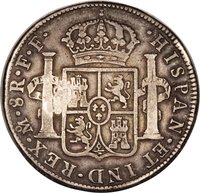
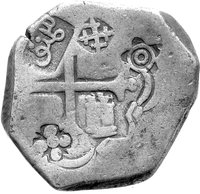
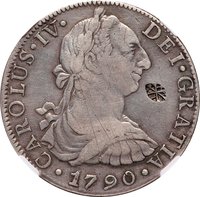
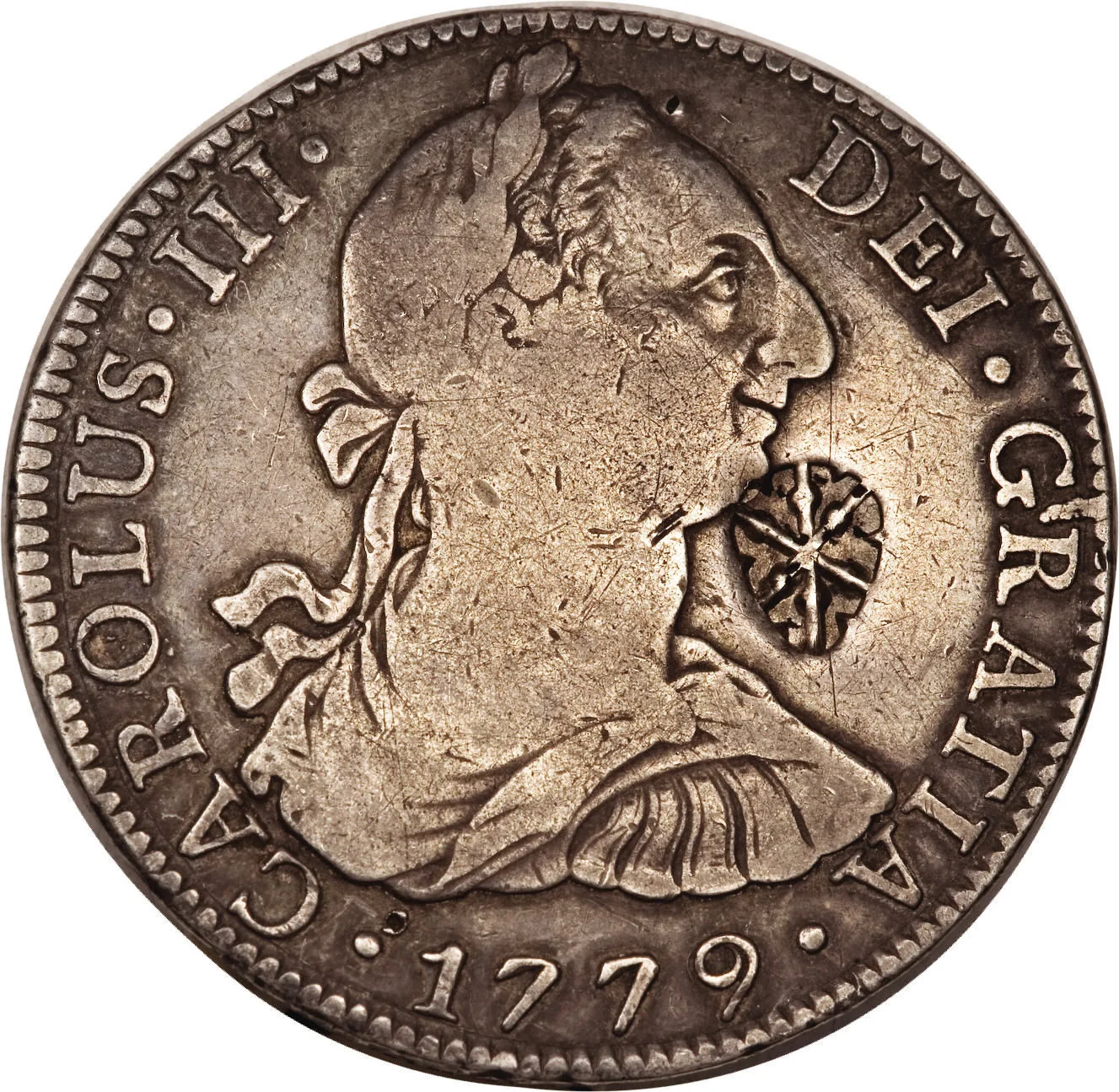
obverse
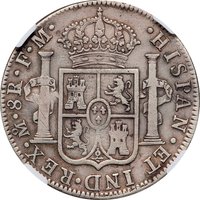
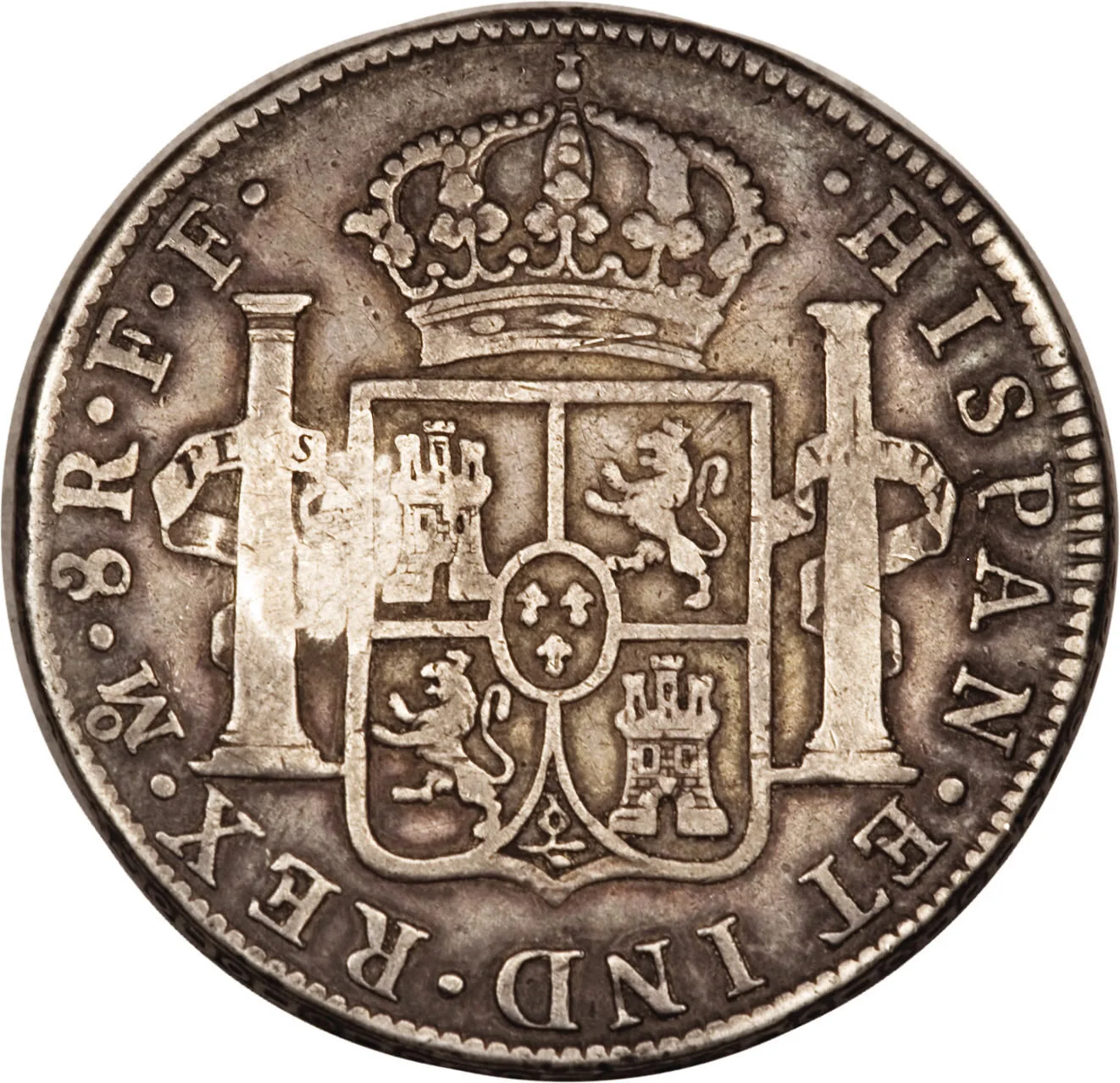
reverse
Heritage Auctions

8 Reales – Sultanate of Sumenep

Indonesia
Context
Years: 1773–1779
Country: Indonesia Country flag
Demonetized: Yes
Material
Diameter: 39 mm
Weight: 27.07 g
Silver weight: 24.82 g
Shape: Round
Composition: 91.7% Silver
Magnetic: No
Techniques: Milled, Countermarked
Alignment: Medal alignment
Obverse
OBVERSE ↑
flip
Reverse
REVERSE ↑
References
KM: #Click to copy to clipboard201.6
Numista: #24816
Value
Bullion value: $69.59

Obverse

Description:
“Madura Star” countermark on Mexico City 8 Reales, KM#106.2.
Inscription:
CAROLUS·III· DEI·GRATIA

·1779·
Script: Latin

Reverse

Inscription:
·HISPAN·ET IND·REX·Mᴼ·8R·F·F·
Script: Latin

Edge

Milled
Mints

NameMark
Mexican MintMo

Mintings

YearMint MarkMintageQualityCollection
Mo
1773Mo
1774Mo
1775Mo
1776Mo
1777Mo
1778Mo
1779Mo

Historical background

In 1773, the Sultanate of Sumenep on the island of Madura was a significant regional power within the sphere of the Mataram Sultanate and the Dutch East India Company (VOC). Its currency situation reflected a complex, layered monetary system common to the archipelago, where indigenous, regional, and foreign coins all circulated simultaneously. The primary medium of exchange included locally minted picis (lead or tin coins) and kepeng (Chinese copper cash, often holed for stringing), which facilitated daily market transactions for the common people. However, for larger trade and state finance, the currency landscape was dominated by Spanish silver reales (often called "pieces of eight") and Dutch silver ducatoons and rijksdaalders, which served as the standard for high-value dealings and inter-island commerce.

This multi-currency system was not merely a matter of convenience but a strategic economic reality. The VOC, while exerting political influence, did not have absolute control over Sumenep's internal monetary affairs under the pragmatic rule of Sultanate like Panembahan Sumolo. Sumenep likely engaged in the widespread practice of clipping or cutting these large silver coins to create fractional change, leading to a circulation of full and partial coins whose value was determined by weight and silver content. The Sultanate's own minting authority, while present, was likely limited to producing lower-value coinage for local use, as the prestige and trust in internationally recognized silver coins were essential for engaging with wider trade networks.

Thus, the currency situation in 1773 Sumenep was one of hybridity and pragmatism. It was a system straddling the subsistence economy of the Madurese hinterland and the sophisticated maritime trade of the Java Sea. The simultaneous use of imported silver, regional gold coins, and base-metal local currency created a dynamic, if sometimes unwieldy, financial environment. This arrangement allowed the Sultanate to maintain internal economic functionality while preserving its ability to participate in the broader colonial and Asian trading world, all while navigating the shifting pressures from the VOC, which sought to standardize and control monetary flows for its own benefit.
Legendary