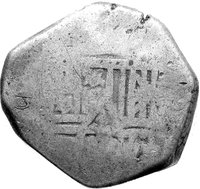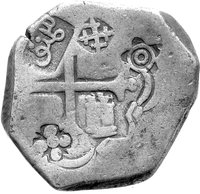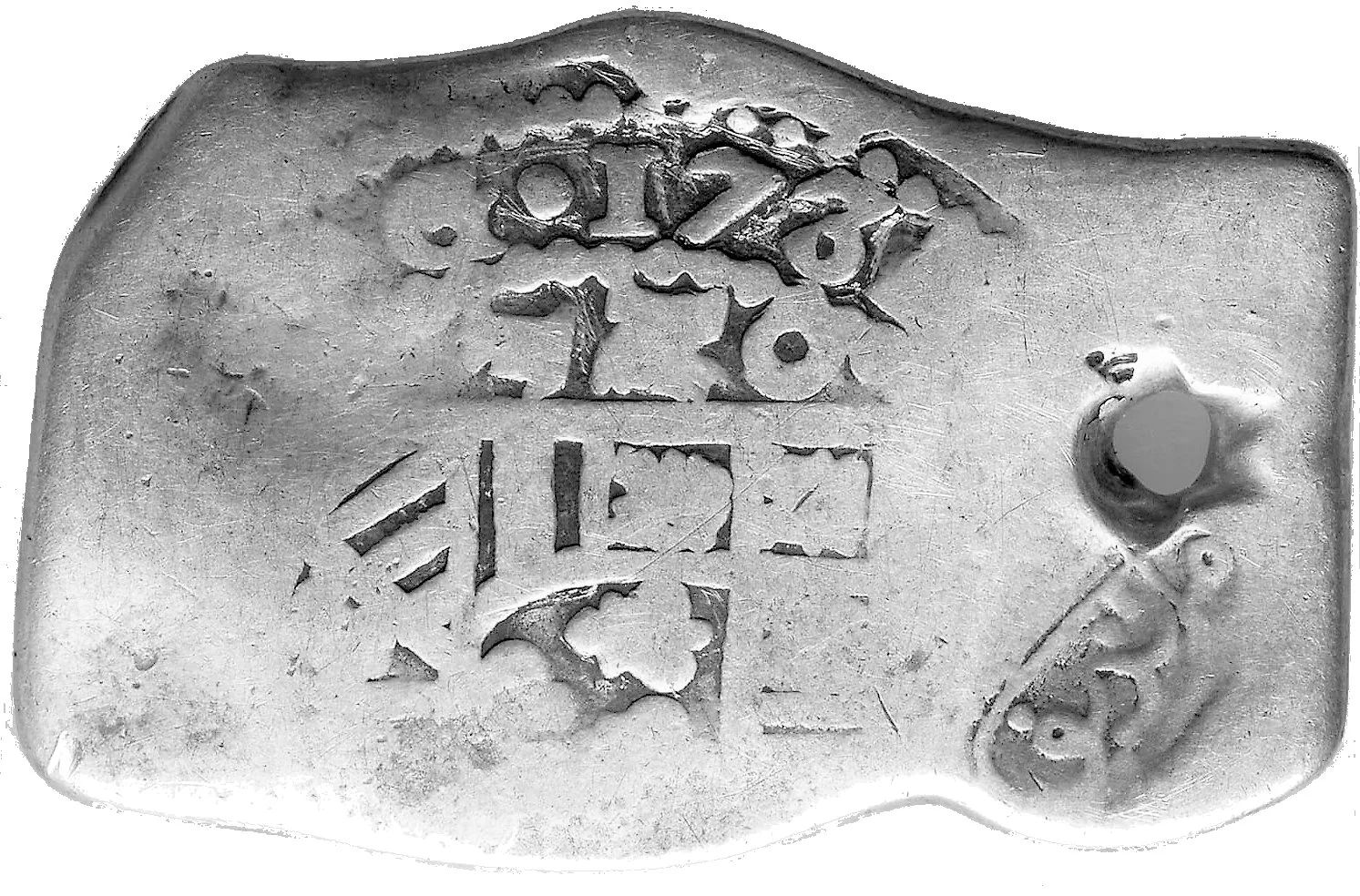
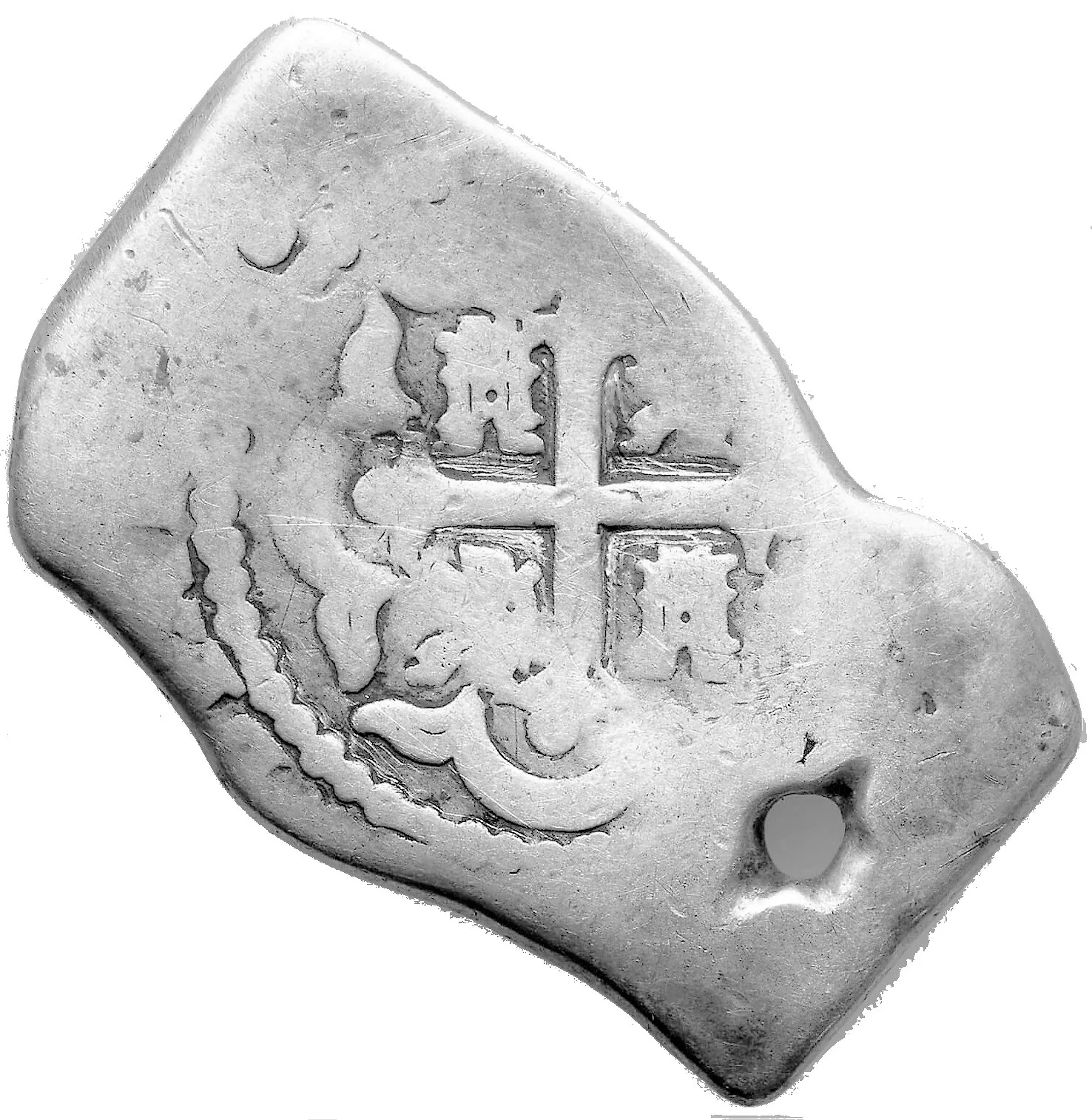
In 1729, the Sultanate of Sumenep on the eastern tip of Madura Island operated within a complex and evolving monetary system, characteristic of the wider Indonesian archipelago. The local economy was not dominated by a single, state-issued currency but rather functioned through a multi-layered system of coinage. The most prominent and prestigious currency in circulation was the Dutch VOC (Vereenigde Oost-Indische Compagnie) silver ducatoon and silver real, which facilitated Sumenep's important trade in salt, cattle, and rice with Javanese ports and the VOC itself in Surabaya.
Alongside this "hard" foreign silver, a vital local currency existed in the form of
picis—small, low-value coins made of lead or tin, often imported from China. These coins were essential for daily market transactions and the payment of small-scale taxes and wages within the kingdom. The Sultanate also likely saw the circulation of other regional currencies, such as Javanese
gobog coins and Spanish Reales, reflecting its position on busy maritime trade routes. The authority of Sultanate to mint its own significant coinage at this time appears limited, making it reliant on this influx of foreign metallic wealth.
This multi-currency environment created a dynamic where exchange rates between silver coins and picis fluctuated, influenced by trade flows, the purity of coins, and regional politics. The Sultan's economic power in 1729, therefore, depended less on controlling minting and more on effectively managing trade relations, taxing commerce, and stabilizing the local value of these diverse currencies to ensure economic stability and state revenue. The system was pragmatic, linking a subsistence agricultural base to the vast networks of intra-Asian and European trade.