

Switzerland

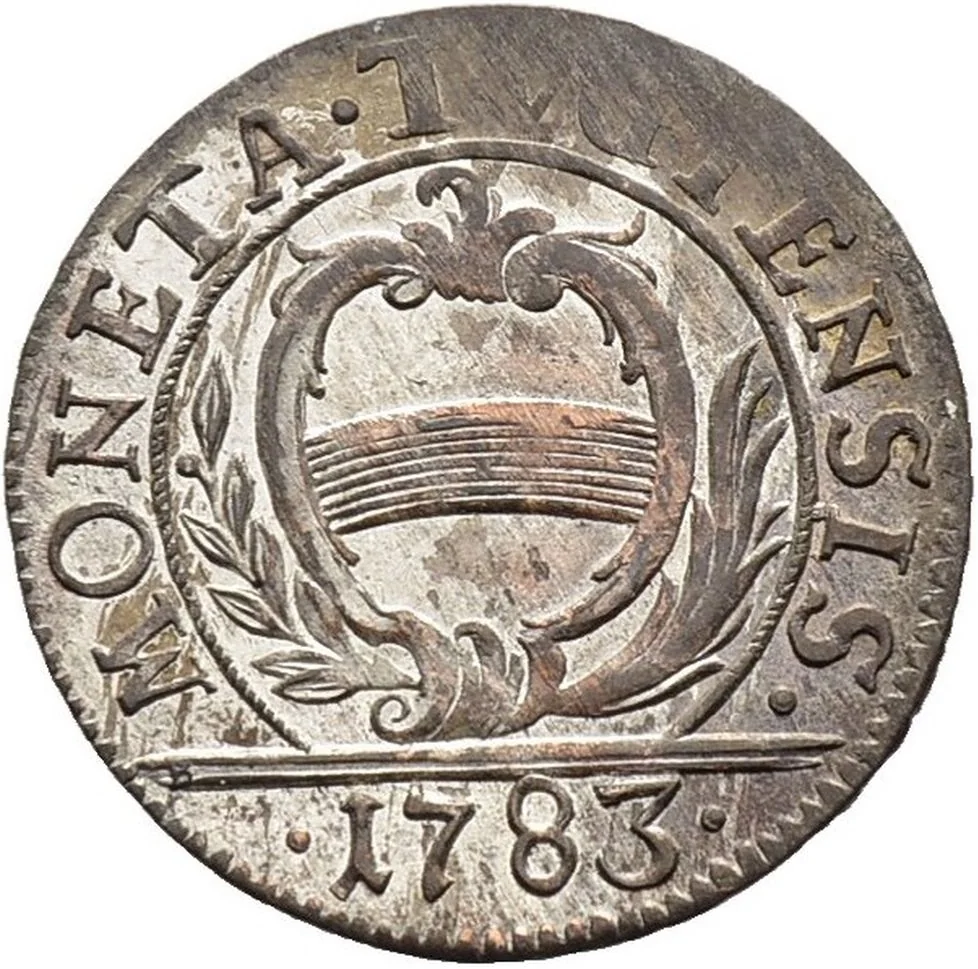
Obverse
Description:
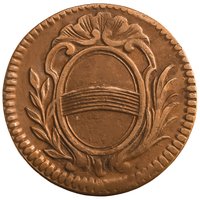
Oval arms within sprigs, date in exergue.
Inscription:
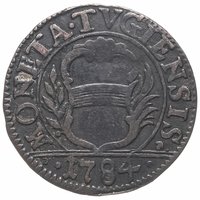
MONETA · TVGIENSIS ·
·1783·
·1783·
Script: Latin
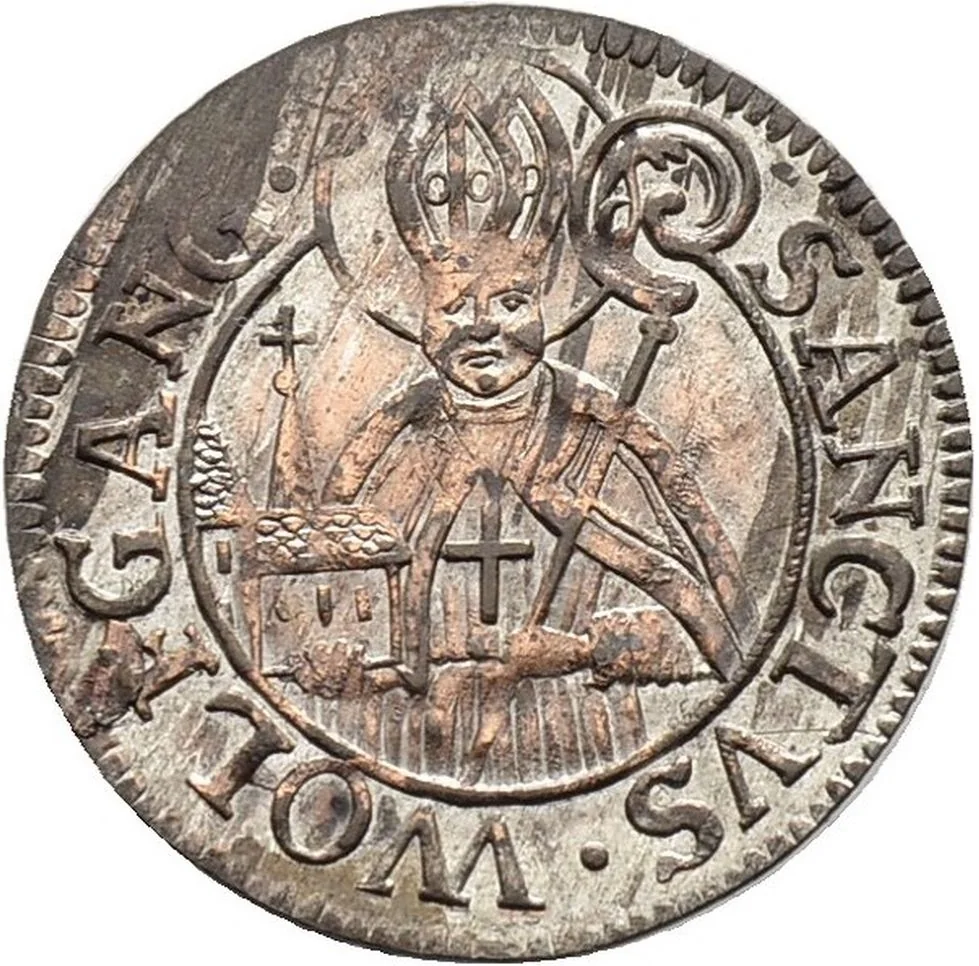
Reverse
Description:
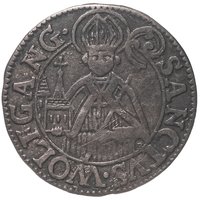
Saint holding church model and scepter.
Inscription:
SANCTVS · WOLFGANG ·
Script: Latin
Edge
Mintings
| Year | Mint Mark | Mintage | Quality | Collection |
|---|---|---|---|---|
| 1783 | — | — |
Historical background
In 1783, the Swiss canton of Zug, like much of the Old Swiss Confederacy, faced a complex and challenging currency situation. The primary unit of account was the Zuger Pfund (pound), subdivided into Schilling and Heller, but this existed largely as a bookkeeping tool. The physical money in daily circulation was a chaotic mix of foreign and domestic coins. Spanish thalers, French livres, and various German state coins all passed through the hands of merchants and peasants, their values constantly fluctuating against each other and the local standard. This created a persistent environment of uncertainty for trade and debt repayment.
This monetary fragmentation was exacerbated by Zug's political structure and economic pressures. The canton was divided between the conservative Stadt (city) and the more rural Ämter (districts), which often clashed over financial policy. Furthermore, the nearby economic powerhouse of Zurich exerted significant influence, and Zug frequently struggled with public debt. The lack of a strong, unified cantonal coinage in sufficient quantities meant authorities had limited control over the money supply, leading to recurring complaints about coin shortages and the circulation of debased or clipped foreign money.
The year 1783 itself did not see a major monetary reform in Zug, but it existed within a period of growing crisis that would culminate in the late 1780s. The pervasive instability hindered commerce and fed social tensions. It was a symptom of the broader weaknesses within the decentralized Swiss Confederation, where cantonal sovereignty prevented a unified monetary policy. This unsatisfactory and inefficient system would persist until the sweeping changes brought by the Helvetic Republic in 1798, which first introduced a uniform national currency to the region.
This monetary fragmentation was exacerbated by Zug's political structure and economic pressures. The canton was divided between the conservative Stadt (city) and the more rural Ämter (districts), which often clashed over financial policy. Furthermore, the nearby economic powerhouse of Zurich exerted significant influence, and Zug frequently struggled with public debt. The lack of a strong, unified cantonal coinage in sufficient quantities meant authorities had limited control over the money supply, leading to recurring complaints about coin shortages and the circulation of debased or clipped foreign money.
The year 1783 itself did not see a major monetary reform in Zug, but it existed within a period of growing crisis that would culminate in the late 1780s. The pervasive instability hindered commerce and fed social tensions. It was a symptom of the broader weaknesses within the decentralized Swiss Confederation, where cantonal sovereignty prevented a unified monetary policy. This unsatisfactory and inefficient system would persist until the sweeping changes brought by the Helvetic Republic in 1798, which first introduced a uniform national currency to the region.
✨ Legendary