

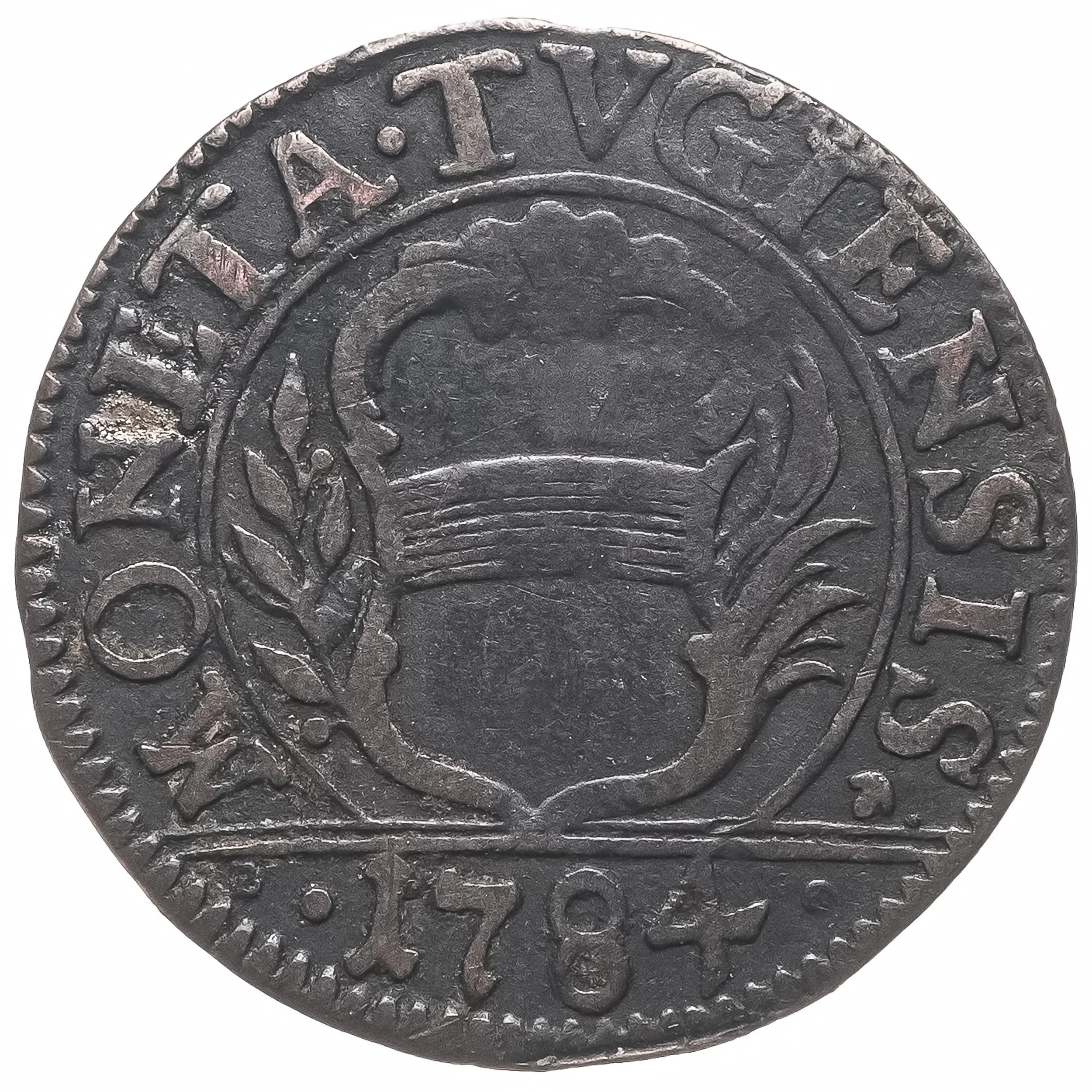
Switzerland

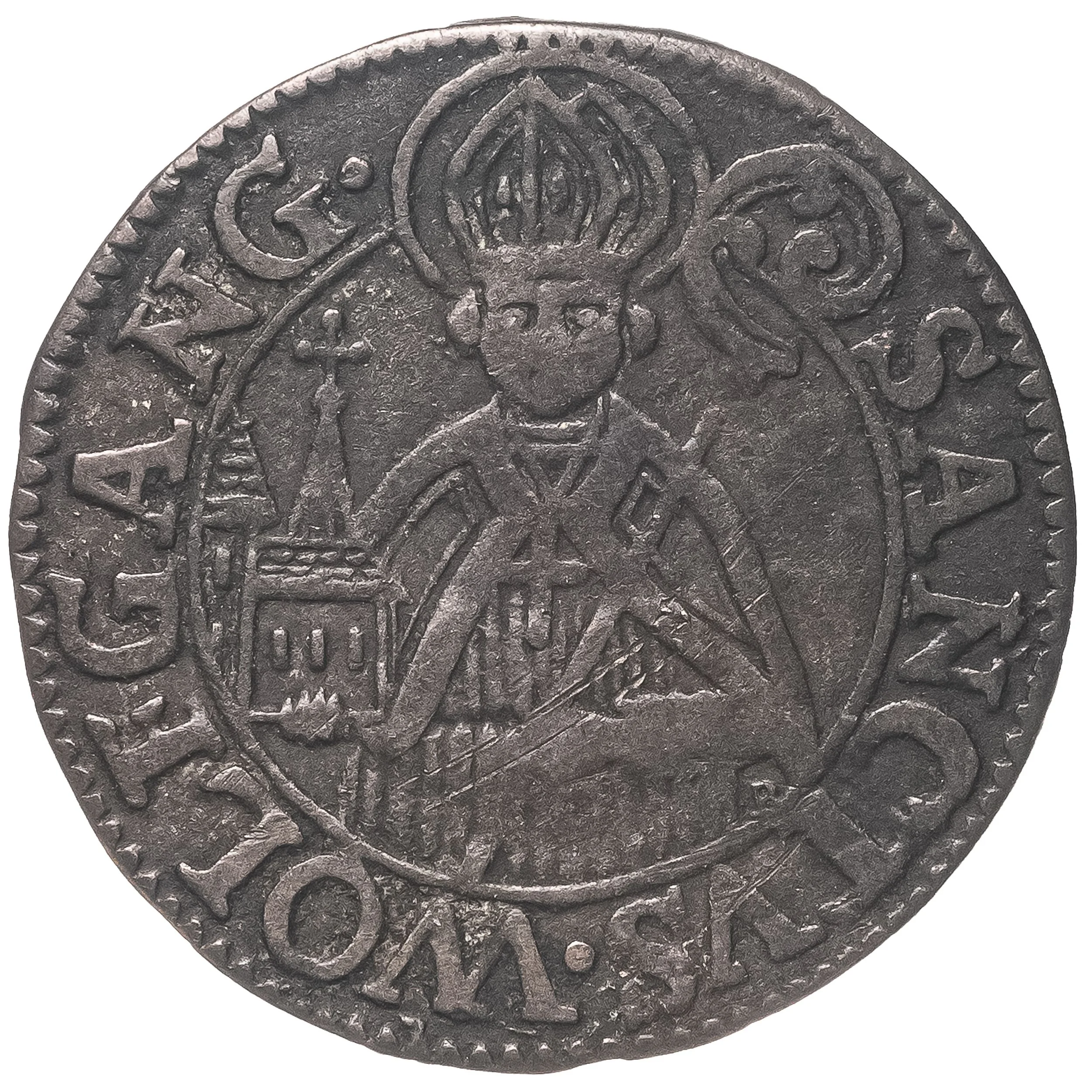
Obverse
Reverse
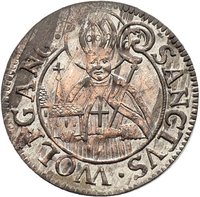
Description:
Saint Wolfgang facing, church left, encircled.
Inscription:
SANCTVS WOLFGANG
Script: Latin
Edge
Plain
Mintings
| Year | Mint Mark | Mintage | Quality | Collection |
|---|---|---|---|---|
| 1784 | — | — |
Historical background
In 1784, Zug, like much of the Old Swiss Confederacy, faced a complex and chaotic currency situation. The canton did not mint its own coins but was flooded with a multitude of foreign currencies circulating simultaneously. These included coins from other Swiss cantons (each with different standards), French livres, Austrian kreuzers, and Italian lire, among others. This proliferation created a confusing and inefficient marketplace where merchants and citizens had to constantly refer to exchange rate lists, and the intrinsic value of coins (their metal content) often differed from their nominal face value.
The root of this problem lay in the political structure of the Confederacy, where each canton held sovereign rights over coinage. Without a central monetary authority, cooperative agreements were fragile and often disregarded. Debasement of coinage by various authorities was common, as minting coins with less precious metal than declared was a tempting source of short-term revenue. For Zug, a small, predominantly rural canton, this external monetary instability posed a significant economic threat, disrupting local trade and creating uncertainty in every transaction.
Consequently, the authorities in Zug were actively engaged in efforts to manage this chaos. The canton relied on periodic Münzmandate (currency ordinances) that attempted to fix the legal exchange rates for the myriad of coins in circulation and to ban particularly debased or counterfeit foreign coins. These decrees, however, were difficult to enforce and provided only temporary relief. The situation in 1784 was thus one of persistent monetary disorder, highlighting the urgent need for standardized coinage—a problem that would not be fully resolved until the establishment of the modern Swiss federal state and the introduction of the Swiss Franc in 1850.
The root of this problem lay in the political structure of the Confederacy, where each canton held sovereign rights over coinage. Without a central monetary authority, cooperative agreements were fragile and often disregarded. Debasement of coinage by various authorities was common, as minting coins with less precious metal than declared was a tempting source of short-term revenue. For Zug, a small, predominantly rural canton, this external monetary instability posed a significant economic threat, disrupting local trade and creating uncertainty in every transaction.
Consequently, the authorities in Zug were actively engaged in efforts to manage this chaos. The canton relied on periodic Münzmandate (currency ordinances) that attempted to fix the legal exchange rates for the myriad of coins in circulation and to ban particularly debased or counterfeit foreign coins. These decrees, however, were difficult to enforce and provided only temporary relief. The situation in 1784 was thus one of persistent monetary disorder, highlighting the urgent need for standardized coinage—a problem that would not be fully resolved until the establishment of the modern Swiss federal state and the introduction of the Swiss Franc in 1850.
✨ Legendary