

4 Escudos – Colombia
Colombia

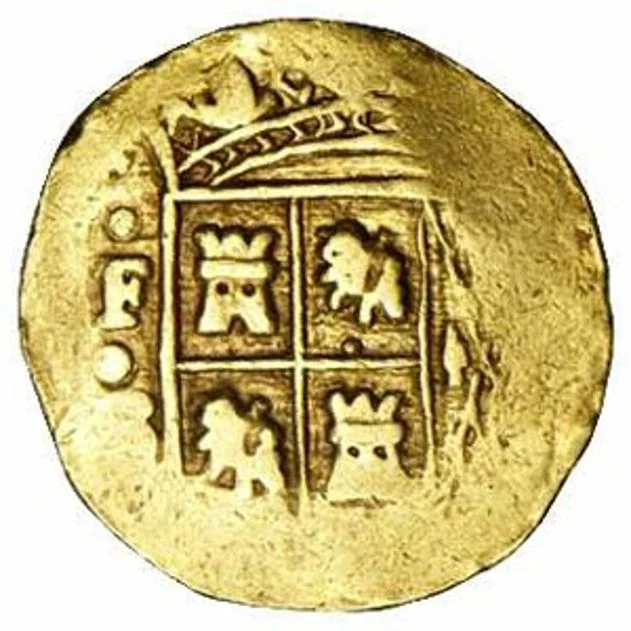
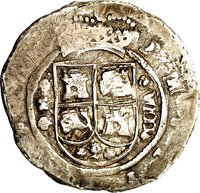
Obverse
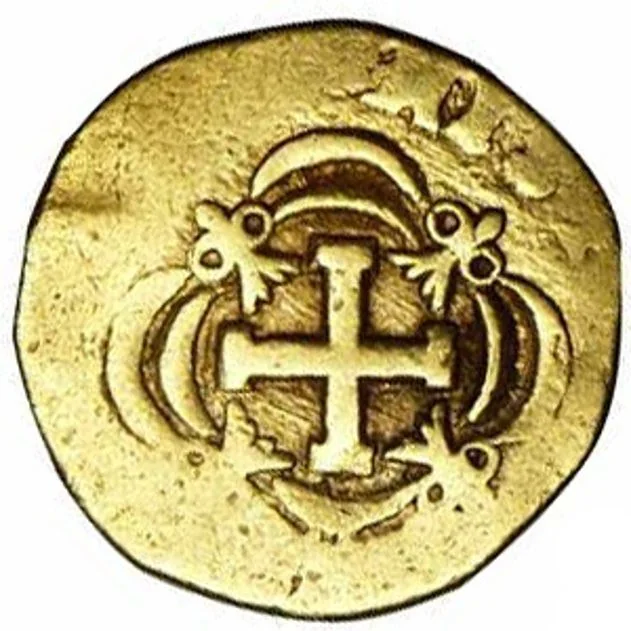
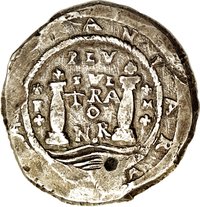
Reverse
Edge
Categories
| Animal> Feline |
| Building> Castle or fortification |
| Symbols> Coat of Arms |
Mints
| Name | Mark |
|---|---|
| Bogota Mint | SF |
Historical background
In 1740, the currency situation in the Kingdom of New Granada (modern Colombia) was characterized by severe scarcity and administrative confusion, a legacy of Spain's restrictive mercantilist policies. The Spanish Crown maintained a monopoly on minting, with the primary source of coinage being the famous gold escudos and silver reales produced at the Royal Mint in Santa Fe de Bogotá, established in 1627. However, the economy suffered from a chronic shortage of circulating specie, especially low-denomination coins for daily transactions. This was due to the colony's role as an exporter of precious metals; much of the gold mined from regions like Antioquia and the Chocó was shipped to Spain as bullion or used to pay taxes, rather than remaining in local circulation.
The scarcity of official coinage led to the widespread use of substitute currencies and created significant economic friction. In daily commerce, people relied heavily on macuquinas (crudely hammered, irregularly shaped coins), which were easily clipped and debased. For smaller transactions, common goods like cacao beans, tobacco, and even pieces of cloth often served as de facto currency, particularly in remote areas. This unstable and heterogeneous system hampered trade and facilitated fraud. Furthermore, the Spanish monetary system of maravedís, reales, and escudos was complex and not always decimalized, adding another layer of difficulty to commercial accounting.
This problematic environment existed under the oversight of the colonial treasury officials (oficiales reales), who were tasked with enforcing royal fiscal policy. The year 1740 falls within the reign of King Philip V, whose Bourbon Reforms were beginning to be implemented across the empire. These reforms, which would intensify later in the century, aimed to centralize control and increase revenue, but in 1740, they had not yet resolved the fundamental currency shortages. The situation contributed to local grievances and an informal, fragmented economy, setting the stage for future reforms and unrest as the colony struggled with the disconnect between its vast mineral wealth and its constrained circulating medium.
The scarcity of official coinage led to the widespread use of substitute currencies and created significant economic friction. In daily commerce, people relied heavily on macuquinas (crudely hammered, irregularly shaped coins), which were easily clipped and debased. For smaller transactions, common goods like cacao beans, tobacco, and even pieces of cloth often served as de facto currency, particularly in remote areas. This unstable and heterogeneous system hampered trade and facilitated fraud. Furthermore, the Spanish monetary system of maravedís, reales, and escudos was complex and not always decimalized, adding another layer of difficulty to commercial accounting.
This problematic environment existed under the oversight of the colonial treasury officials (oficiales reales), who were tasked with enforcing royal fiscal policy. The year 1740 falls within the reign of King Philip V, whose Bourbon Reforms were beginning to be implemented across the empire. These reforms, which would intensify later in the century, aimed to centralize control and increase revenue, but in 1740, they had not yet resolved the fundamental currency shortages. The situation contributed to local grievances and an informal, fragmented economy, setting the stage for future reforms and unrest as the colony struggled with the disconnect between its vast mineral wealth and its constrained circulating medium.
✨ Legendary