

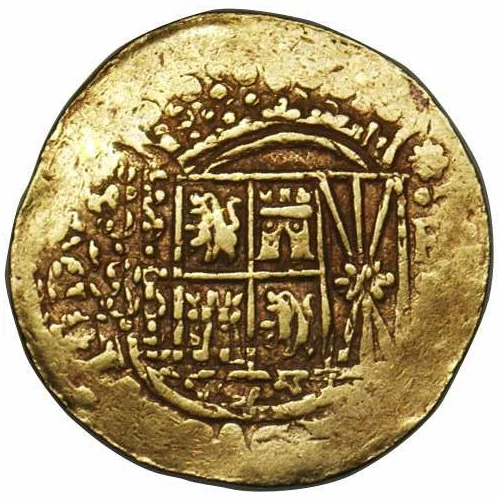
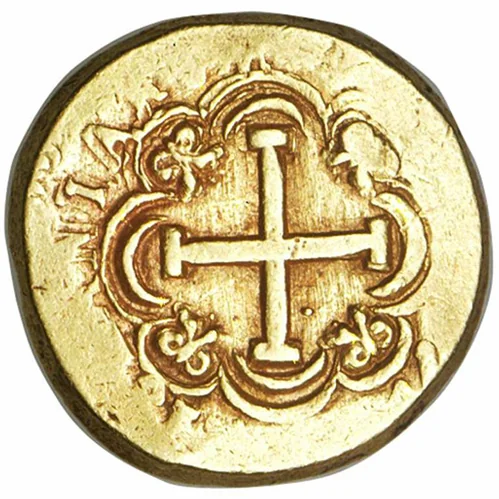
8 Escudos – Colombia
Colombia
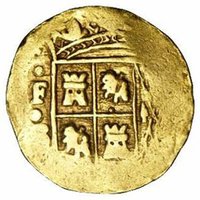
Obverse
Description:
Heraldic emblem.
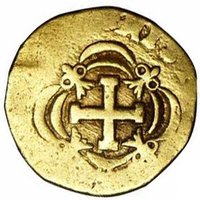
Reverse
Description:
Jerusalem Cross.
Edge
Categories
| Animal> Feline |
| Building> Castle or fortification |
| Symbol> Cross |
| Symbols> Coat of Arms |
Mintings
| Year | Mint Mark | Mintage | Quality | Collection |
|---|---|---|---|---|
| 1736 | M | — | ||
| 1743 | SF | — | ||
| 1744 | SF | — | ||
| 1745 | SF | — | ||
| 1746 | SF | — |
Historical background
In 1736, the currency situation in the Kingdom of New Granada (modern-day Colombia) was characterized by severe scarcity and administrative frustration. The primary circulating coin was the silver real, with eight reales making a peso. However, the colony suffered from a chronic shortage of official minted coinage. This was largely due to the Spanish Crown's mercantilist policies, which drained silver and gold to Spain, and the inefficiency of the Santa Fe de Bogotá mint, which had operated only intermittently since its establishment in 1620. Much of daily commerce relied on a cumbersome system of barter or the use of worn, clipped, and counterfeit coins of varying origins, creating a chaotic and unreliable monetary environment.
The root of the problem lay in the region's own wealth. New Granada was a major gold producer, particularly from mines in the Chocó and Antioquia regions. Yet, this gold largely bypassed the local economy. It was either smuggled out by contrabandistas to avoid royal taxes or officially exported as bullion or crude, unstamped gold tejos (ingots). The Spanish Crown, focused on extracting precious metals, had failed to establish a robust and permanent minting operation to convert this local gold into standardized, trustworthy coinage for internal trade. This contradiction—abundance of raw wealth alongside a scarcity of usable currency—stifled economic growth and complicated all transactions.
Recognizing this crisis, Spanish authorities took a significant step in 1736 by ordering the establishment of a permanent royal mint in Santa Fe de Bogotá. This decision, driven by the need to combat fraud, control the gold supply, and stimulate the colonial economy, set in motion the projects that would lead to the opening of the Casa de la Moneda de Santa Fe in 1756. Therefore, the year 1736 stands as a pivotal moment of administrative acknowledgment and the beginning of a concerted, though slow-moving, effort to resolve the monetary chaos that had long hampered the viceroyalty's commerce.
The root of the problem lay in the region's own wealth. New Granada was a major gold producer, particularly from mines in the Chocó and Antioquia regions. Yet, this gold largely bypassed the local economy. It was either smuggled out by contrabandistas to avoid royal taxes or officially exported as bullion or crude, unstamped gold tejos (ingots). The Spanish Crown, focused on extracting precious metals, had failed to establish a robust and permanent minting operation to convert this local gold into standardized, trustworthy coinage for internal trade. This contradiction—abundance of raw wealth alongside a scarcity of usable currency—stifled economic growth and complicated all transactions.
Recognizing this crisis, Spanish authorities took a significant step in 1736 by ordering the establishment of a permanent royal mint in Santa Fe de Bogotá. This decision, driven by the need to combat fraud, control the gold supply, and stimulate the colonial economy, set in motion the projects that would lead to the opening of the Casa de la Moneda de Santa Fe in 1756. Therefore, the year 1736 stands as a pivotal moment of administrative acknowledgment and the beginning of a concerted, though slow-moving, effort to resolve the monetary chaos that had long hampered the viceroyalty's commerce.
✨ Legendary