

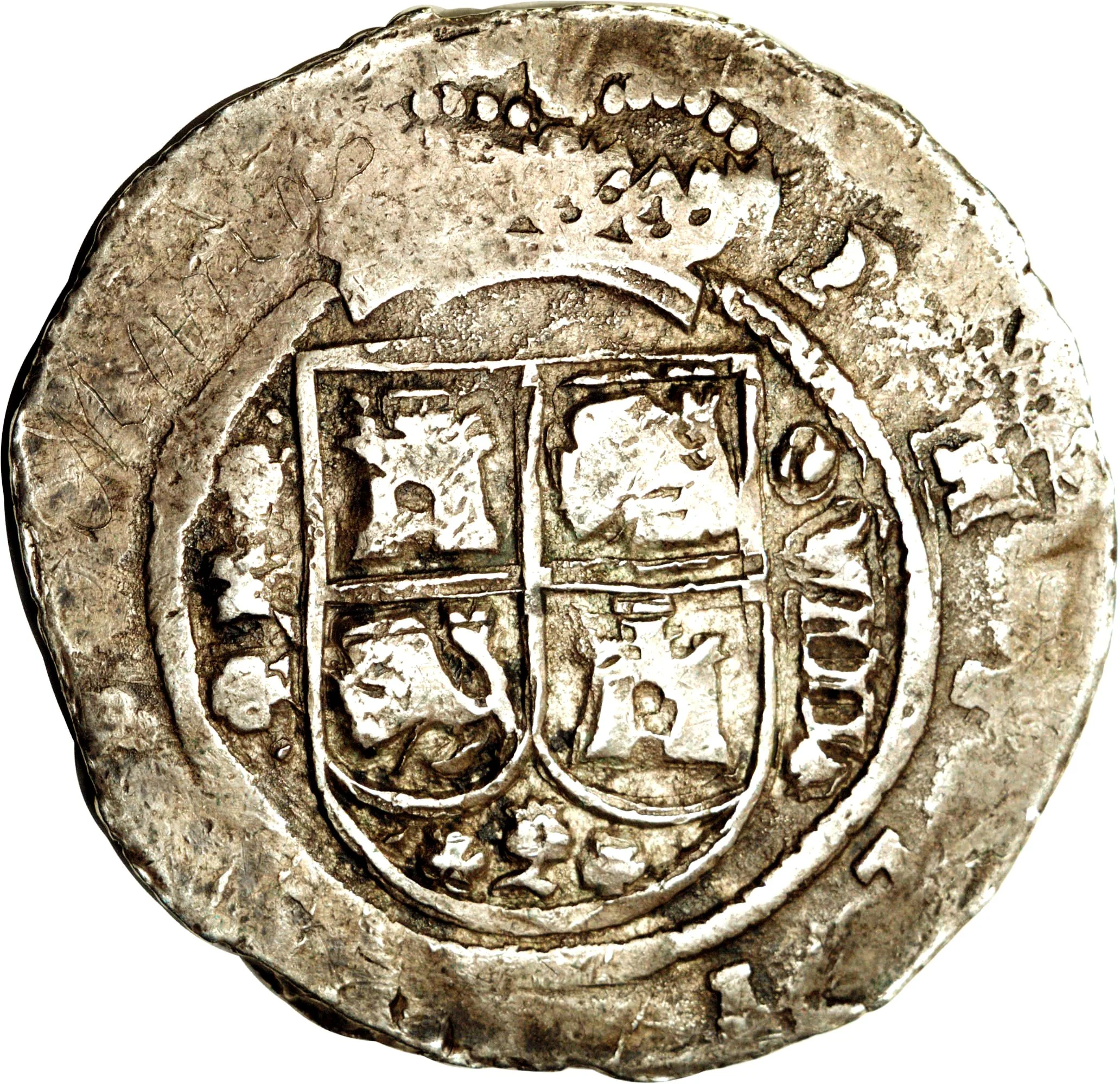
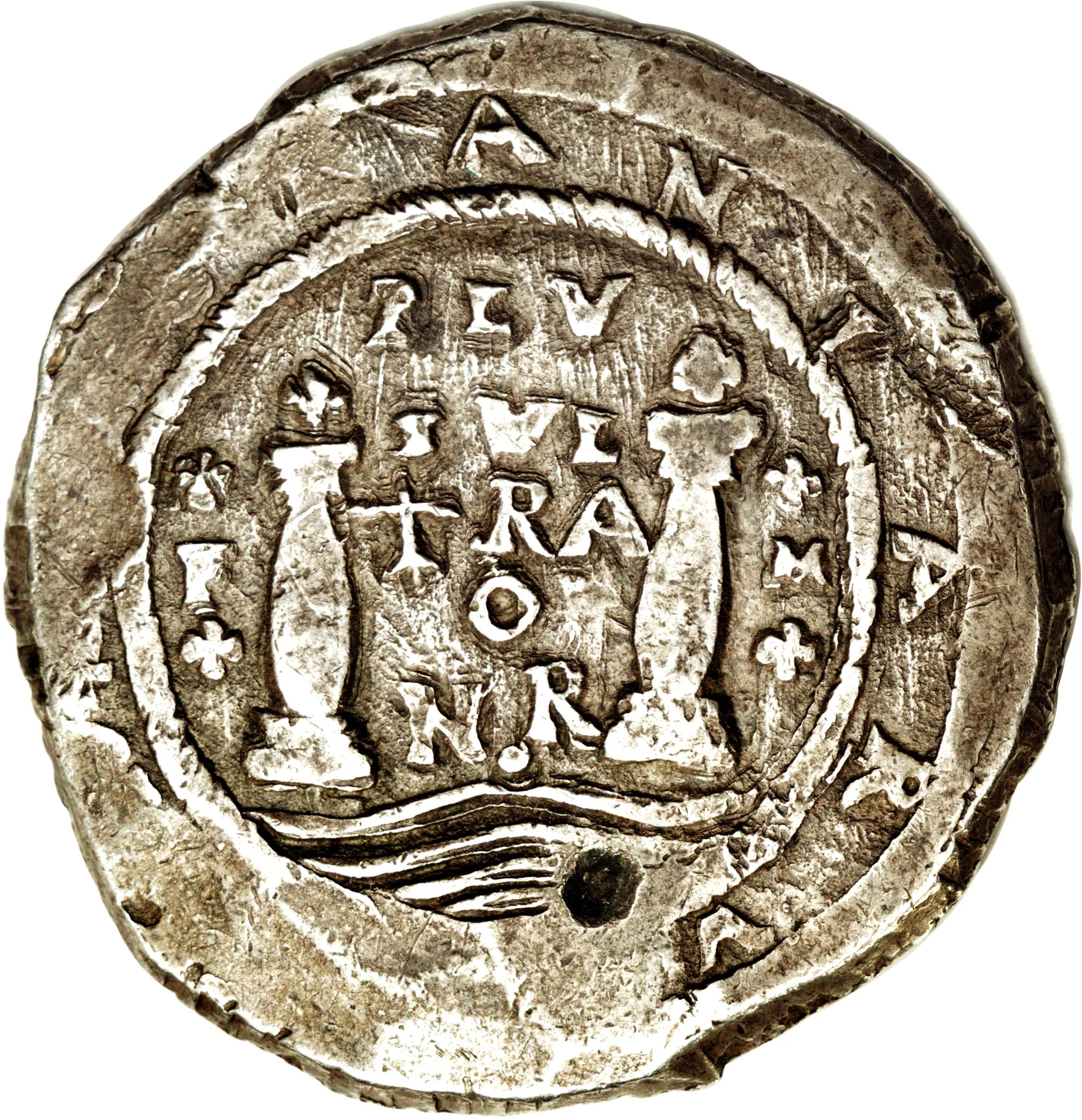
8 reales – Colombia
Add to wishlist
Colombia
Material
Weight: 27.07 g
Silver Weight:: 24.82 g
Shape: Irregular round
Composition: 91.7% Silver
Magnetic: No
Alignment: Medal alignment
flip
References
KM: #
Numista: #61441
Value
Bullion value: $60.71
Obverse
Description:
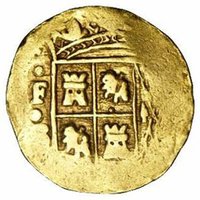
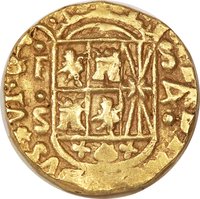
Quartered shield bearing the arms of Castile and León.
Inscription:
PHILIPVS V D G
M
VIII
M
VIII
Script: Latin
Reverse
Edge
Categories
| Symbols> Coat of Arms |
Mints
| Name | Mark |
|---|---|
| Bogota Mint | (NoR) |
Mintings
| Year | Mint Mark | Mintage | Quality | Collection |
|---|---|---|---|---|
| 1742 | NoR | — |
Historical background
In 1742, Colombia, then part of the Viceroyalty of New Granada, operated under a complex and strained monetary system inherited from Spain. The official currency was based on the Spanish real and the silver peso (often called the "piece of eight"), which was the dominant unit for large transactions and international trade. However, the colony suffered from a chronic shortage of official minted coinage, as much of the silver and gold mined from rich deposits in regions like Popayán and Antioquia was either exported to Spain or used to pay for imports. This scarcity of circulating specie crippled local commerce and daily transactions.
To alleviate this shortage, a widespread system of substitute currencies emerged. The most common was moneda macuquina, crude, irregularly shaped coins that were hand-struck at local mints. While legally recognized, their inconsistent weight and purity caused confusion and loss of value. Furthermore, due to the extreme lack of small change, everyday trade often relied on barter or the use of cacao beans as a de facto currency for minor purchases, a practice with pre-Columbian roots. This fragmented system created a dual economy: one for large-scale, external trade in official pesos and another for the internal market reliant on imperfect substitutes.
The Spanish Crown's mercantilist policies exacerbated these problems. Strict regulations aimed to keep precious metals flowing to the metropolis, while limiting the colony's ability to mint sufficient coinage for its own needs. This monetary scarcity was a significant point of contention and a brake on economic development, fostering contraband trade with foreign powers and contributing to growing colonial discontent. Thus, in 1742, the currency situation was defined by scarcity, improvisation, and the structural imbalances of imperial rule, laying groundwork for future fiscal instability.
To alleviate this shortage, a widespread system of substitute currencies emerged. The most common was moneda macuquina, crude, irregularly shaped coins that were hand-struck at local mints. While legally recognized, their inconsistent weight and purity caused confusion and loss of value. Furthermore, due to the extreme lack of small change, everyday trade often relied on barter or the use of cacao beans as a de facto currency for minor purchases, a practice with pre-Columbian roots. This fragmented system created a dual economy: one for large-scale, external trade in official pesos and another for the internal market reliant on imperfect substitutes.
The Spanish Crown's mercantilist policies exacerbated these problems. Strict regulations aimed to keep precious metals flowing to the metropolis, while limiting the colony's ability to mint sufficient coinage for its own needs. This monetary scarcity was a significant point of contention and a brake on economic development, fostering contraband trade with foreign powers and contributing to growing colonial discontent. Thus, in 1742, the currency situation was defined by scarcity, improvisation, and the structural imbalances of imperial rule, laying groundwork for future fiscal instability.
✨ Legendary