

12 skilling – Norway
Add to wishlist
Norway
Context
Years: 1717–1724
Issuer: Norway
Ruler: Frederick IV
Currency:
(1523—1746)
Demonetized: Yes
Total mintage: 11,906,000
Material
References
KM: #
Numista: #99206
Value
Bullion value: $5.60
Obverse
Description:
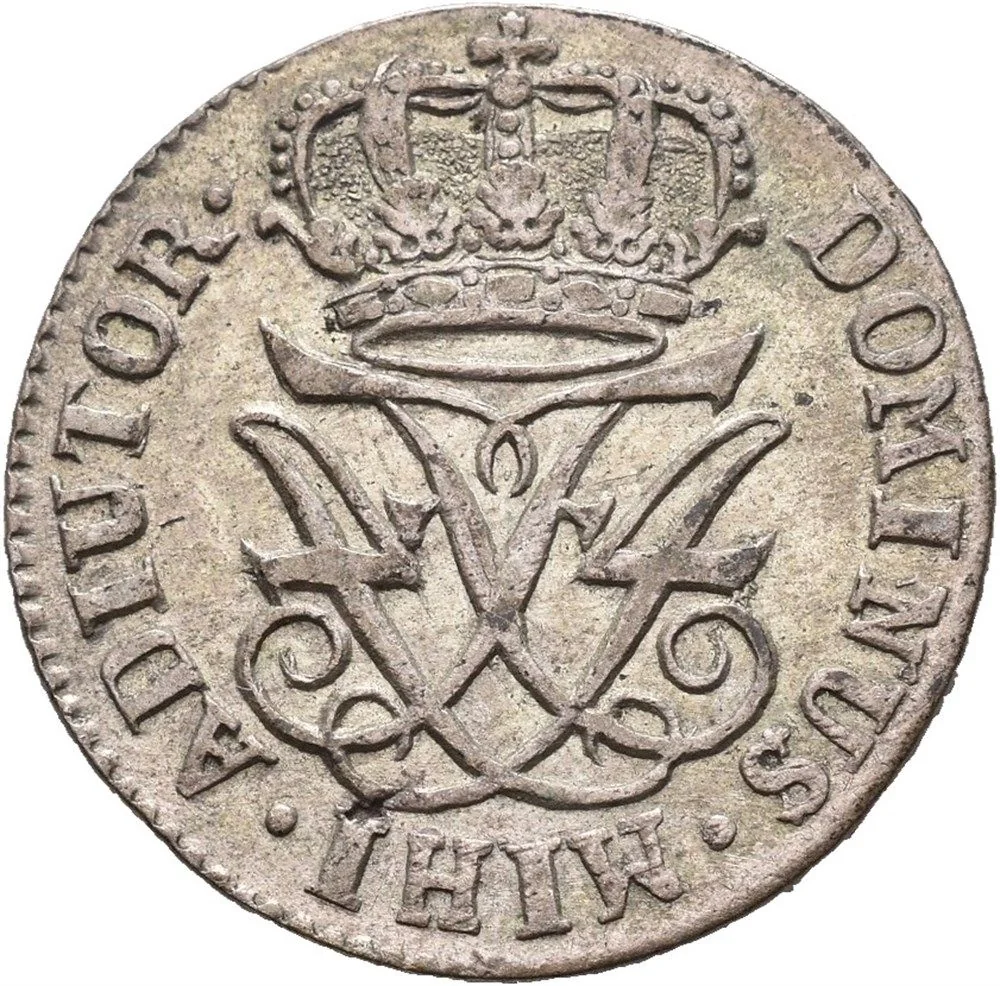
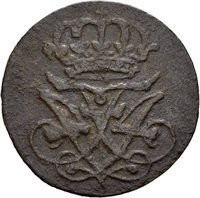
Crowned mirrored monogram of Frederik IV, encircled by inscription, with a beaded edge.
Inscription:
DOMINUS · MIHI · ADIUTOR ·
Script: Latin
Reverse
Description:
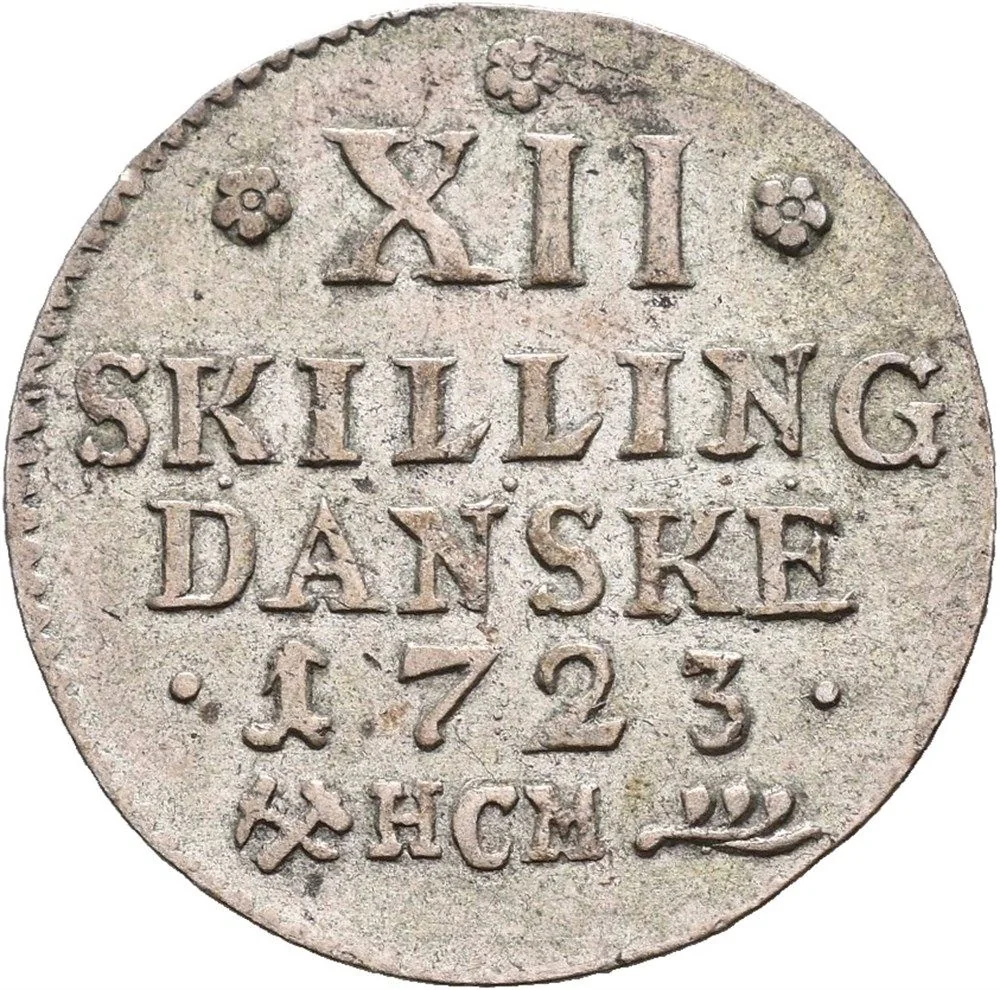
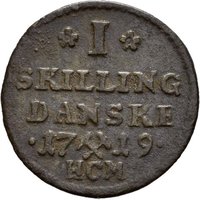
Value and date on four lines.
Mintmark and initials below.
Beaded edge ring.
Mintmark and initials below.
Beaded edge ring.
Inscription:
✿ XII ✿
SKILLING
DANSKE
· 1723 ·
⚒ HCM 🙛
SKILLING
DANSKE
· 1723 ·
⚒ HCM 🙛
Script: Latin
Edge
Mints
| Name | Mark |
|---|---|
| Norwegian Mint | — |
Mintings
| Year | Mint Mark | Mintage | Quality | Collection |
|---|---|---|---|---|
| 1717 | — | 1,390,000 | ||
| 1718 | — | 2,005,000 | ||
| 1719 | — | 1,499,000 | ||
| 1720 | — | 1,300,000 | ||
| 1721 | — | 1,373,000 | ||
| 1722 | — | 1,743,000 | ||
| 1723 | — | 1,402,000 | ||
| 1724 | — | 1,194,000 |
Historical background
In 1717, Norway found itself in a precarious monetary situation, deeply entangled in the economic aftermath of the Great Northern War (1700-1721). As a unified kingdom with Denmark under the absolute monarchy of Frederik IV, Norway's currency was the Danish rigsdaler. However, the immense costs of the war had drained the state's coffers, leading to severe coin shortages within Norway. This scarcity was exacerbated by the need to pay for troops and supplies, causing a reliance on potentially unstable credit and emergency measures.
The Danish-Norwegian state's primary response to the crisis was the issuance of kreditivsedler (credit notes) in 1717. These were not true banknotes but rather promissory notes issued by the state treasury, intended to facilitate trade and payments in the absence of sufficient silver coin. While a necessary stopgap, these notes were not fully backed by silver reserves and their value began to depreciate almost immediately. Public trust was low, as people preferred tangible silver, leading to a de facto divergence between the value of silver currency and the paper credit.
Consequently, Norway in 1717 was operating with a strained and dual monetary system. A physical shortage of trusted silver specie coexisted with a growing circulation of depreciating government paper. This created significant uncertainty for merchants and the population, hindering commerce and contributing to inflationary pressures. The situation underscored the kingdom's fiscal distress and set the stage for further monetary experiments and instability in the following years until the war's conclusion.
The Danish-Norwegian state's primary response to the crisis was the issuance of kreditivsedler (credit notes) in 1717. These were not true banknotes but rather promissory notes issued by the state treasury, intended to facilitate trade and payments in the absence of sufficient silver coin. While a necessary stopgap, these notes were not fully backed by silver reserves and their value began to depreciate almost immediately. Public trust was low, as people preferred tangible silver, leading to a de facto divergence between the value of silver currency and the paper credit.
Consequently, Norway in 1717 was operating with a strained and dual monetary system. A physical shortage of trusted silver specie coexisted with a growing circulation of depreciating government paper. This created significant uncertainty for merchants and the population, hindering commerce and contributing to inflationary pressures. The situation underscored the kingdom's fiscal distress and set the stage for further monetary experiments and instability in the following years until the war's conclusion.
💎 Very Rare