

1 skilling – Norway
Add to wishlist
Norway
Context
Years: 1719–1722
Issuer: Norway
Ruler: Frederick IV
Currency:
(1523—1746)
Demonetized: Yes
Total mintage: 147,300
References
KM: #
Numista: #100330
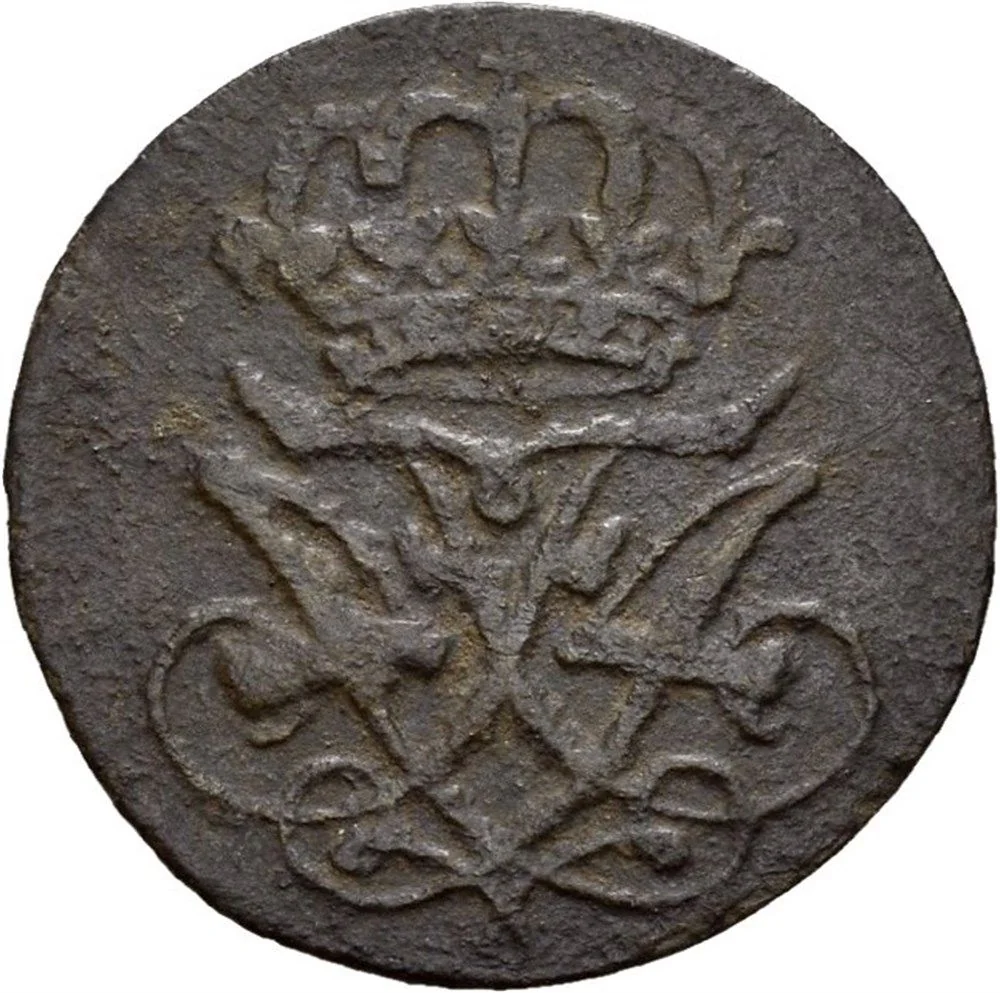
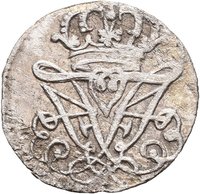
Obverse
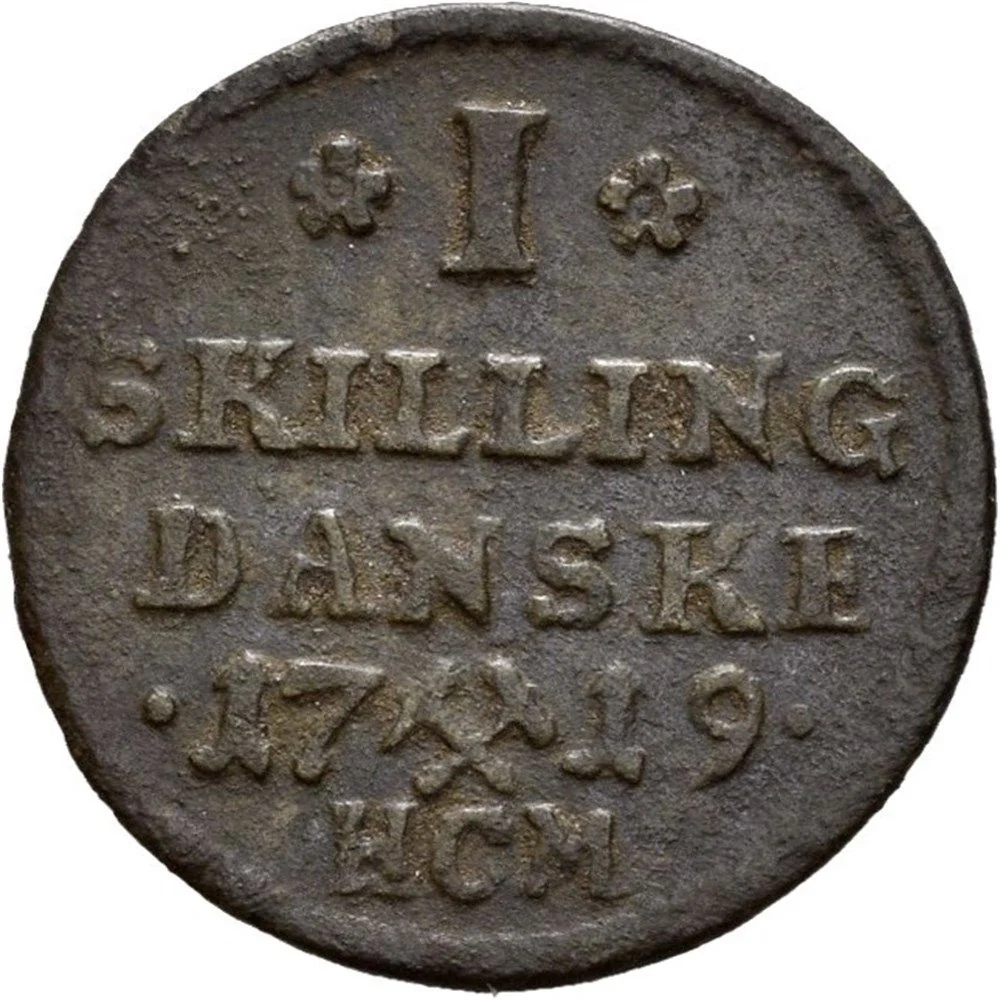
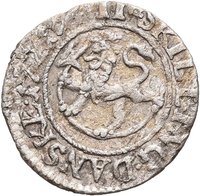
Reverse
Description:
Value and date on four lines.
Date divided by mintmark.
Mintmaster's initials below.
Beaded rim.
Date divided by mintmark.
Mintmaster's initials below.
Beaded rim.
Inscription:
✿ I ✿
SKILLING
DANSKE
·17 ⚒ 19·
HCM
SKILLING
DANSKE
·17 ⚒ 19·
HCM
Script: Latin
Edge
Plain
Mints
| Name | Mark |
|---|---|
| Norwegian Mint | — |
Mintings
| Year | Mint Mark | Mintage | Quality | Collection |
|---|---|---|---|---|
| 1719 | — | 49,100 | ||
| 1720 | — | 49,100 | ||
| 1721 | — | 49,100 | ||
| 1722 | — | — |
Historical background
In 1719, Norway found itself in a precarious monetary situation, a direct consequence of the Great Northern War (1700-1721). As a unified kingdom with Denmark under the absolutist Danish king Frederick IV, Norway's currency was the Danish rigsdaler. To finance the immense costs of the prolonged war, the Danish-Norwegian state had resorted to repeated debasements of the coinage since 1713. This meant reducing the silver content in coins while maintaining their face value, effectively creating more money to pay for military expenses but eroding public trust and the currency's intrinsic worth.
The result was severe inflation and a chaotic dual-currency system. Good, older coins with higher silver content were hoarded or taken out of circulation (following Gresham's Law, "bad money drives out good"), while the newly minted, inferior coins flooded the market. This led to a dramatic loss of purchasing power for ordinary people, as prices for essential goods like grain soared. The situation was particularly acute in Norway, which relied heavily on grain imports and whose economy was further strained by Swedish military invasions during the war, most recently in 1718.
Recognizing the crisis, the state attempted a monetary reform in 1719. The goal was to stabilize the currency by introducing a new rigsdaler courant, intended to replace the debased coins at a fixed rate. However, this reform was only partially successful. Public confidence in the currency remained low, and the underlying economic strain of the war continued. Therefore, the currency situation in 1719 was one of fragile transition, marked by the lingering effects of wartime inflation and a hesitant, state-led effort to restore monetary order in the face of deep-seated economic disruption.
The result was severe inflation and a chaotic dual-currency system. Good, older coins with higher silver content were hoarded or taken out of circulation (following Gresham's Law, "bad money drives out good"), while the newly minted, inferior coins flooded the market. This led to a dramatic loss of purchasing power for ordinary people, as prices for essential goods like grain soared. The situation was particularly acute in Norway, which relied heavily on grain imports and whose economy was further strained by Swedish military invasions during the war, most recently in 1718.
Recognizing the crisis, the state attempted a monetary reform in 1719. The goal was to stabilize the currency by introducing a new rigsdaler courant, intended to replace the debased coins at a fixed rate. However, this reform was only partially successful. Public confidence in the currency remained low, and the underlying economic strain of the war continued. Therefore, the currency situation in 1719 was one of fragile transition, marked by the lingering effects of wartime inflation and a hesitant, state-led effort to restore monetary order in the face of deep-seated economic disruption.
✨ Legendary