

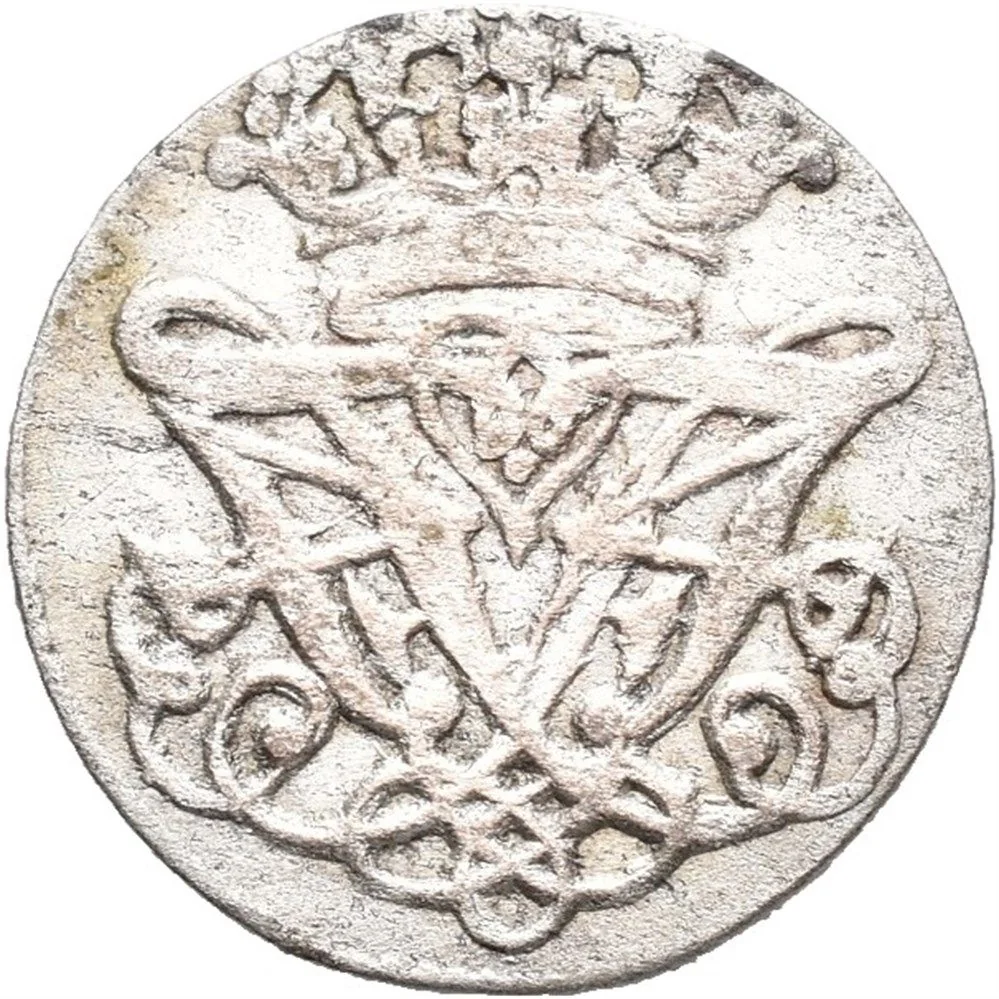
2 Skilling – Norway
Norway
Context
Years: 1714–1718
Issuer: Norway 
Ruler: Frederick IV
Currency:
(1523—1746)
Demonetized: Yes
Total mintage: 6,180,000
References
KM: #Click to copy to clipboard215
Numista: #99110
Obverse
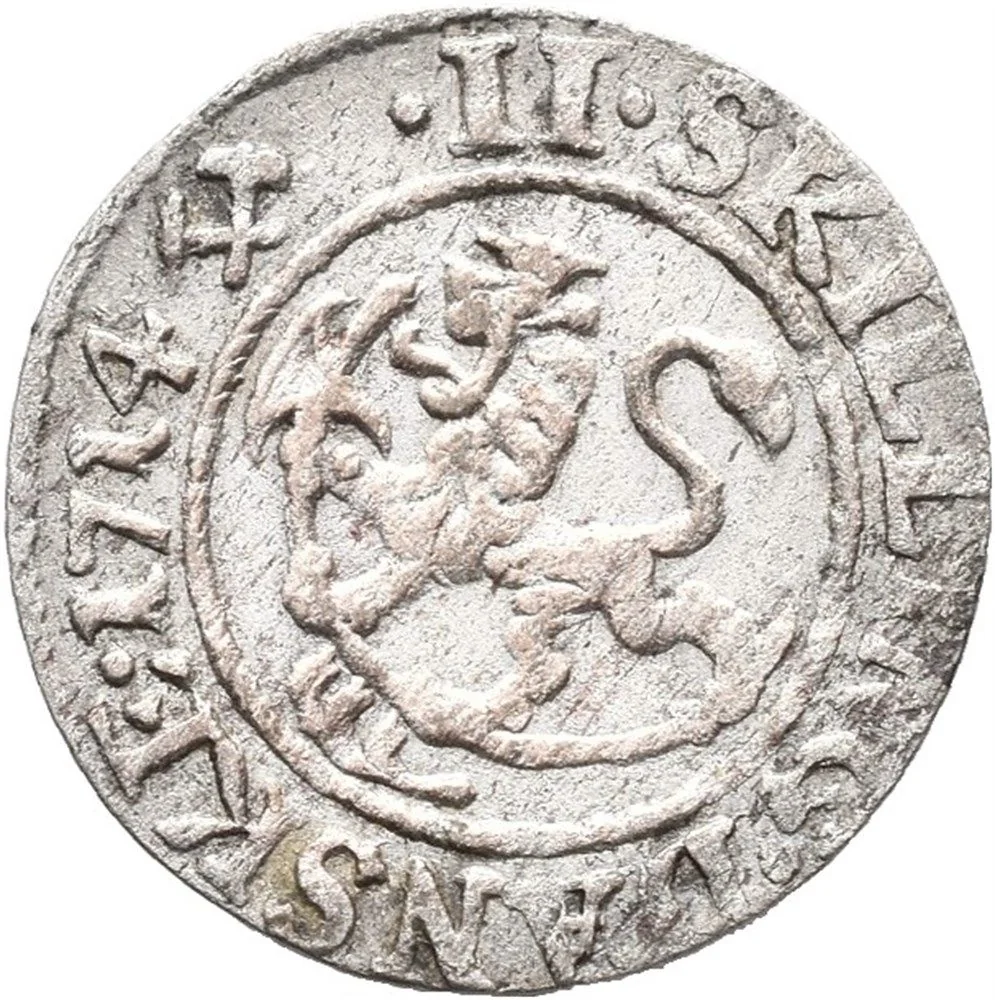
Reverse
Description:
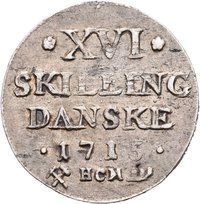
Norwegian lion with crown and axe, left-facing, within a braided ring. Leaf mark below. Inscription surrounds. Beaded rim.
Inscription:
·II·SKILLING·DANSKE·1714 ⚒
Script: Latin
Engraver: Anders Jonsen Lunder
Edge
Mints
| Name | Mark |
|---|---|
| Norwegian Mint | — |
Mintings
| Year | Mint Mark | Mintage | Quality | Collection |
|---|---|---|---|---|
| 1714 | — | 1,624,000 | ||
| 1715 | — | 1,730,000 | ||
| 1716 | — | 1,599,000 | ||
| 1717 | — | 915,000 | ||
| 1718 | — | 312,000 |
Historical background
In 1714, Norway found itself in a precarious monetary situation, deeply entangled with its political union with Denmark. The two kingdoms shared a currency system, but the Great Northern War (1700-1721) had placed immense strain on state finances. To fund the war effort, the Danish-Norwegian monarchy, under King Frederick IV, had resorted to repeated debasements of the coinage. This meant reducing the silver content in coins while maintaining their face value, a form of inflationary financing that eroded public trust and the real value of money.
The consequences in Norway were severe inflation and a critical shortage of reliable specie (coin). Good, full-value silver coins were hoarded or exported, while the circulating medium became flooded with lightweight, degraded coins. This led to a disconnect between official values and market reality, disrupting both internal trade and international commerce. Merchants and the public struggled with uncertainty, and the economy suffered from the instability, which was particularly damaging for a nation reliant on exports like timber and fish.
Furthermore, Norway faced a unique complication: a chronic deficit in its balance of payments with Denmark. Norwegian imports from Denmark consistently exceeded exports, causing a persistent drain of the already scarce sound currency out of the country. This "currency hemorrhage" exacerbated the shortage within Norway. While proposals for a separate Norwegian bank and currency existed to gain monetary independence, they would not be realized until after the union's dissolution in 1814. Thus, in 1714, Norway remained trapped in a dysfunctional monetary system, its economic health weakened by wartime fiscal policies and its subordinate role in the Dano-Norwegian state.
The consequences in Norway were severe inflation and a critical shortage of reliable specie (coin). Good, full-value silver coins were hoarded or exported, while the circulating medium became flooded with lightweight, degraded coins. This led to a disconnect between official values and market reality, disrupting both internal trade and international commerce. Merchants and the public struggled with uncertainty, and the economy suffered from the instability, which was particularly damaging for a nation reliant on exports like timber and fish.
Furthermore, Norway faced a unique complication: a chronic deficit in its balance of payments with Denmark. Norwegian imports from Denmark consistently exceeded exports, causing a persistent drain of the already scarce sound currency out of the country. This "currency hemorrhage" exacerbated the shortage within Norway. While proposals for a separate Norwegian bank and currency existed to gain monetary independence, they would not be realized until after the union's dissolution in 1814. Thus, in 1714, Norway remained trapped in a dysfunctional monetary system, its economic health weakened by wartime fiscal policies and its subordinate role in the Dano-Norwegian state.
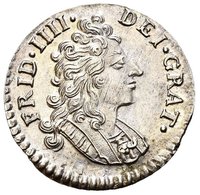
💎 Extremely Rare