

1 Tari – Malta
Malta
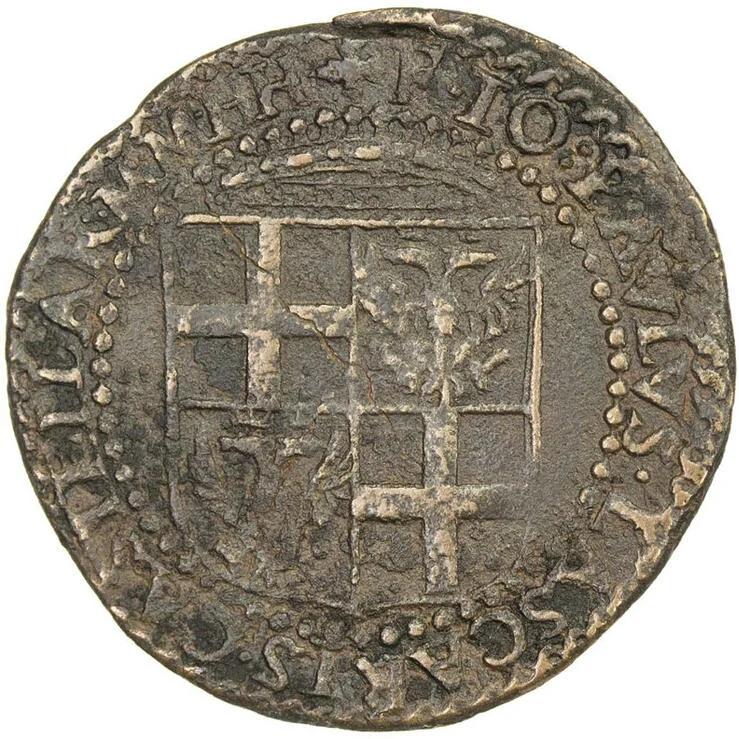
Obverse
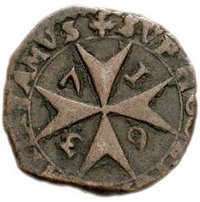
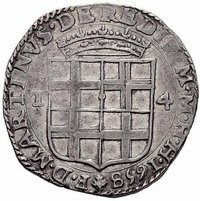
Description:
Arms of Giovani Paolo Lascaris Castellar.
Inscription:
P·IO·PAVLVS·LAS KIS·CASTELLAR·M·M·H
Script: Latin
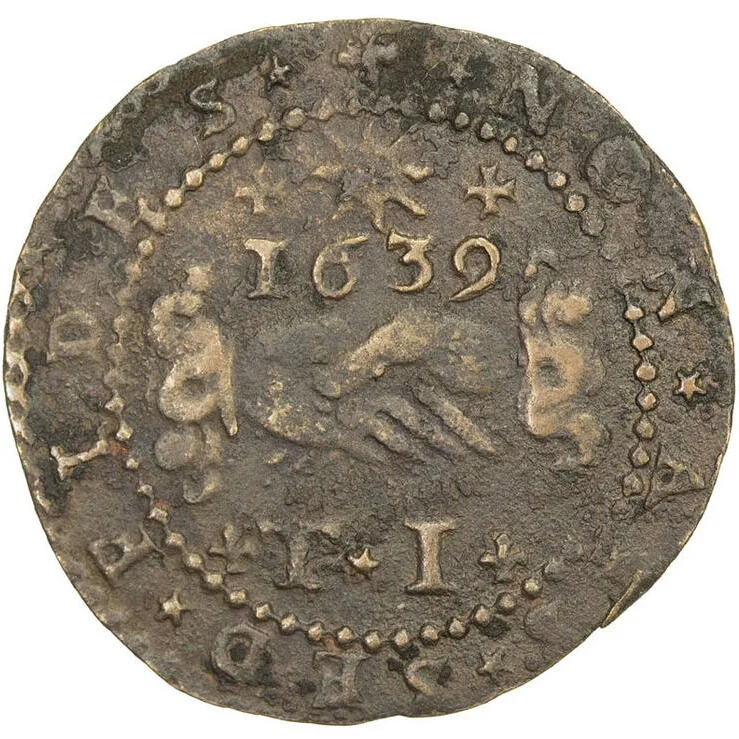
Reverse
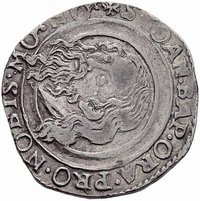
Description:
Clasped hands, date above, value below.
Inscription:
NON AES SED FIDEL
1639
T · I
1639
T · I
Script: Latin
Edge
Mintings
| Year | Mint Mark | Mintage | Quality | Collection |
|---|---|---|---|---|
| 1639 | — | — |
Historical background
In 1639, Malta's currency situation was complex and heavily influenced by its dual role as a strategic fortress of the Knights Hospitaller (Order of St. John) and a vibrant Mediterranean trading hub. The islands did not mint their own official coinage, leading to a highly fragmented monetary environment. Consequently, a vast array of foreign coins circulated simultaneously, including Spanish pieces of eight, Venetian ducats, Sicilian tari, and Ottoman piastres. This created constant challenges for commerce, as merchants and officials had to navigate fluctuating exchange rates and the varying intrinsic values of these coins based on their metal content and wear.
The primary unit of account for official and large transactions was the scudo, valued at 12 tari or 240 grani. However, the physical coins in circulation were mostly foreign, with the Spanish silver real and its larger denomination, the piece of eight, being particularly dominant due to Spain's political and economic influence in the region. The Knights did strike limited local coinage, notably the copper grani and tari, but these were intended for small, everyday transactions and were insufficient to standardize the system. A significant problem was the widespread clipping and debasement of silver coins, which eroded trust and complicated trade settlements.
Recognizing the economic inefficiencies and potential for fraud, the Order's authorities made ongoing efforts to regulate this chaotic system. They periodically issued official bandi (edicts) that fixed the legal exchange rates for the myriad of foreign coins in relation to the scudo. These proclamations aimed to stabilize the market and prevent disputes, but their effectiveness was limited as market forces and the influx of new coin types continually undermined official valuations. Thus, in 1639, Malta's currency situation remained a precarious balance between the Knights' attempts at monetary control and the practical realities of a port flooded with international specie.
The primary unit of account for official and large transactions was the scudo, valued at 12 tari or 240 grani. However, the physical coins in circulation were mostly foreign, with the Spanish silver real and its larger denomination, the piece of eight, being particularly dominant due to Spain's political and economic influence in the region. The Knights did strike limited local coinage, notably the copper grani and tari, but these were intended for small, everyday transactions and were insufficient to standardize the system. A significant problem was the widespread clipping and debasement of silver coins, which eroded trust and complicated trade settlements.
Recognizing the economic inefficiencies and potential for fraud, the Order's authorities made ongoing efforts to regulate this chaotic system. They periodically issued official bandi (edicts) that fixed the legal exchange rates for the myriad of foreign coins in relation to the scudo. These proclamations aimed to stabilize the market and prevent disputes, but their effectiveness was limited as market forces and the influx of new coin types continually undermined official valuations. Thus, in 1639, Malta's currency situation remained a precarious balance between the Knights' attempts at monetary control and the practical realities of a port flooded with international specie.
✨ Legendary