

Obverse
Description:
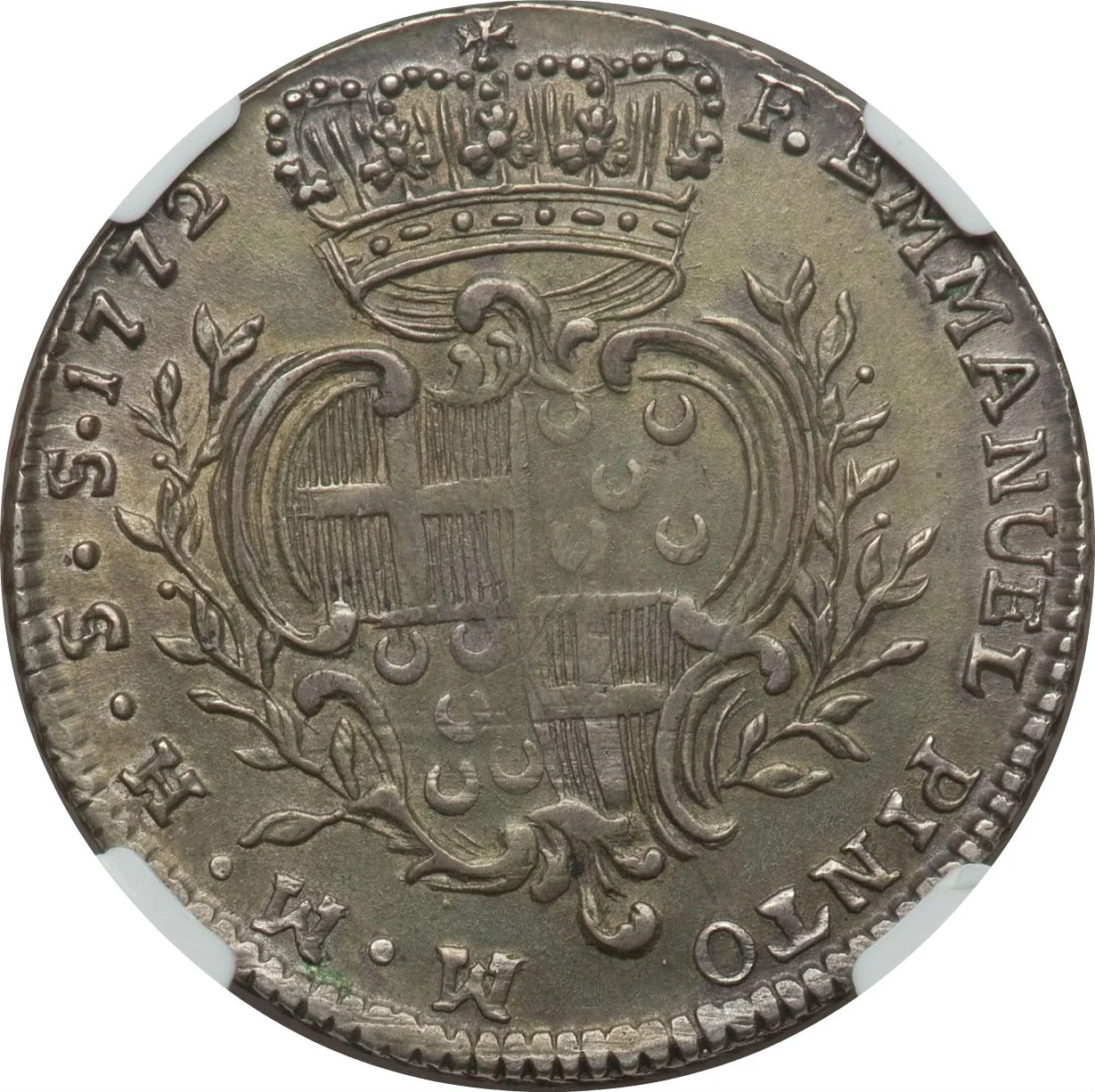
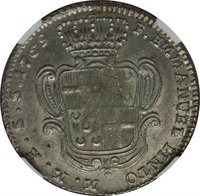
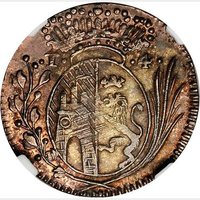
Crowned arms with solid ornamentation.
Inscription:
F.EMMANUEL PINTO M·M·H·S·S·1772
Script: Latin
Reverse
Description:
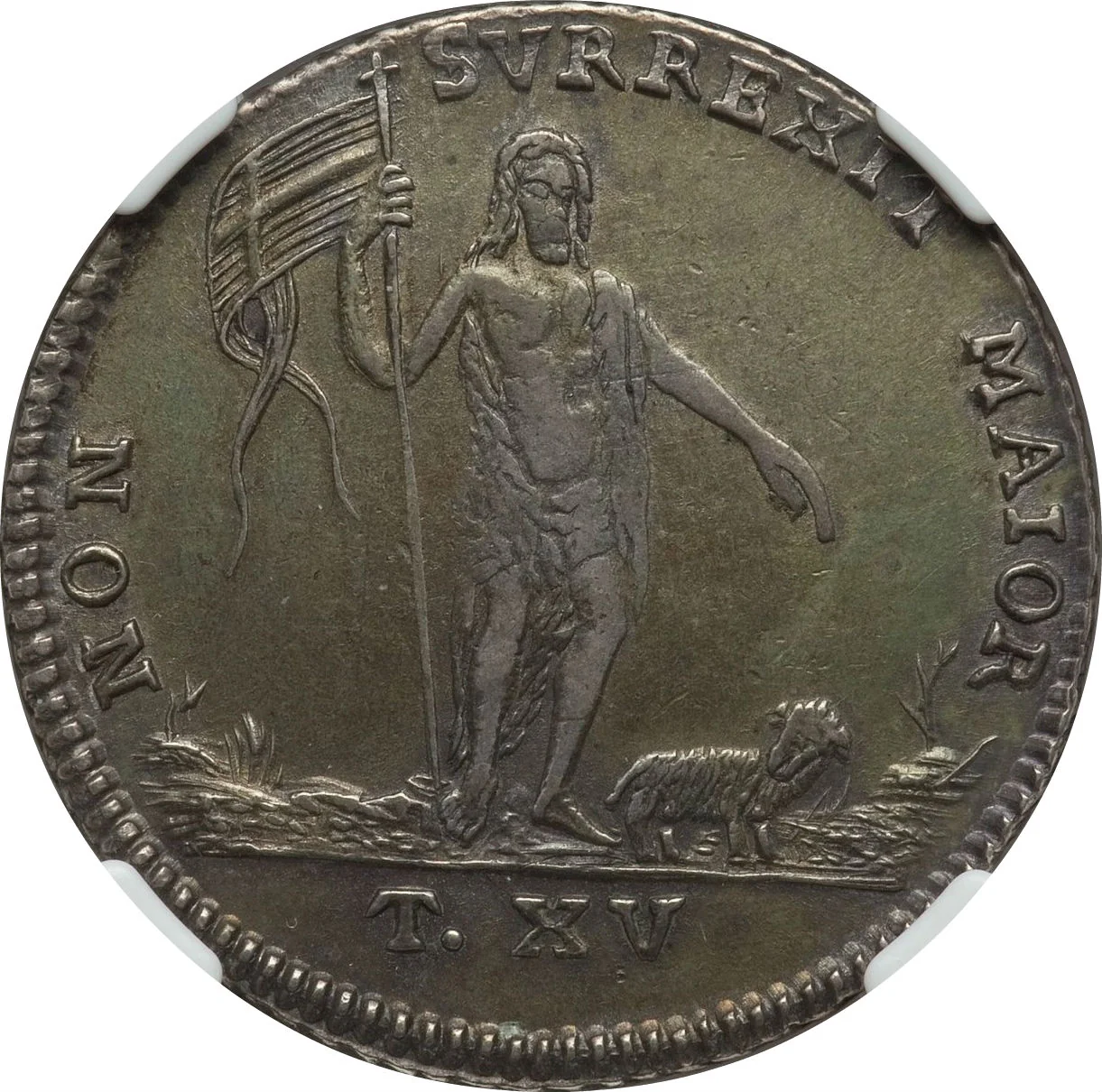
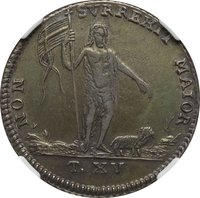
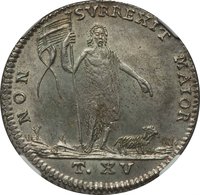
John the Baptist facing right, holding a banner.
Inscription:
SVRREXIT MAIOR NON
T. XV
T. XV
Script: Latin
Edge
Mintings
| Year | Mint Mark | Mintage | Quality | Collection |
|---|---|---|---|---|
| 1772 | — | — |
Historical background
In 1772, Malta’s currency situation was complex and strained, reflecting the island's unique position as a strategic Mediterranean hub under the rule of the Sovereign Military Order of St. John. The primary unit of account was the Scudo, divided into 12 Tari, each of 20 Grani. However, the actual coins in circulation were a chaotic mix, including Spanish pieces of eight (reales), Neapolitan and Sicilian coins, French Louis d'or, and Venetian sequins. This proliferation of foreign specie, each with fluctuating intrinsic values, created significant challenges for trade and daily transactions, leading to frequent disputes and confusion.
The root of the problem lay in the Knights' limited minting authority. While they produced copper grani and silver tari and scudi, the volume was insufficient to standardize the economy. Consequently, merchants and money-changers held considerable power, setting exchange rates for the myriad foreign coins. This often led to the export of full-weight Maltese silver coins for their bullion value, leaving a poorer-quality mix in local circulation—a classic example of Gresham's Law, where "bad money drives out good."
Recognizing the economic instability, Grand Master Manuel Pinto da Fonseca (reigned 1741-1773) had taken steps toward reform. In 1768, he had established the Monte di Pietà, a public bank intended to provide credit and help stabilize the monetary environment. By 1772, the system remained in transition, with the Order grappling with the need for a more uniform and controlled currency. The situation underscored the tension between Malta’s vibrant international commerce and the practical difficulties of governing a small island economy dependent on the ebb and flow of European coinage.
The root of the problem lay in the Knights' limited minting authority. While they produced copper grani and silver tari and scudi, the volume was insufficient to standardize the economy. Consequently, merchants and money-changers held considerable power, setting exchange rates for the myriad foreign coins. This often led to the export of full-weight Maltese silver coins for their bullion value, leaving a poorer-quality mix in local circulation—a classic example of Gresham's Law, where "bad money drives out good."
Recognizing the economic instability, Grand Master Manuel Pinto da Fonseca (reigned 1741-1773) had taken steps toward reform. In 1768, he had established the Monte di Pietà, a public bank intended to provide credit and help stabilize the monetary environment. By 1772, the system remained in transition, with the Order grappling with the need for a more uniform and controlled currency. The situation underscored the tension between Malta’s vibrant international commerce and the practical difficulties of governing a small island economy dependent on the ebb and flow of European coinage.
✨ Legendary