

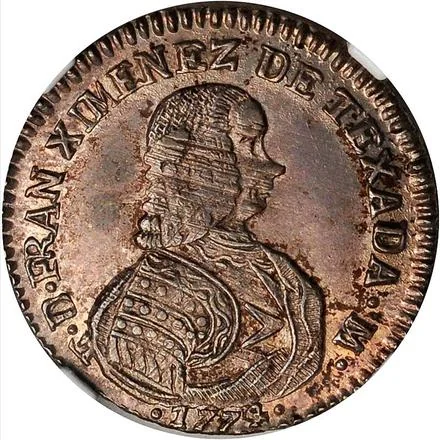
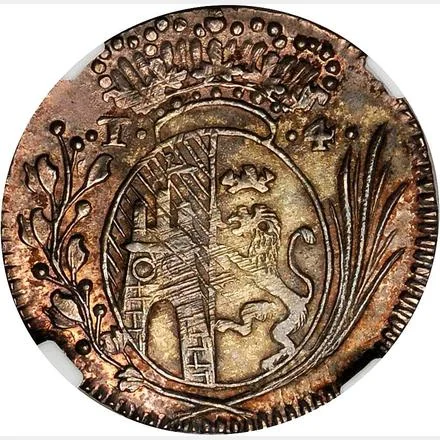
4 Tari – Malta
Malta
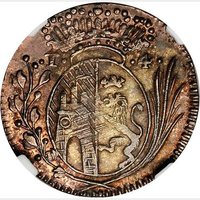
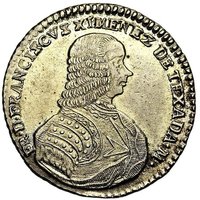
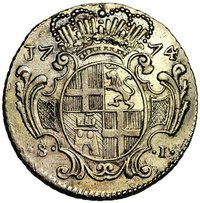
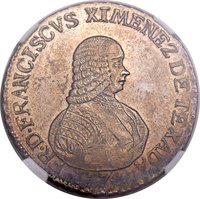
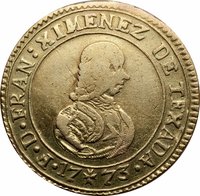
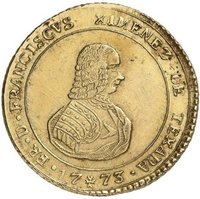
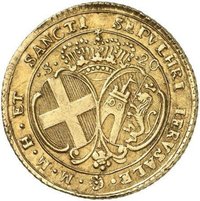
Obverse
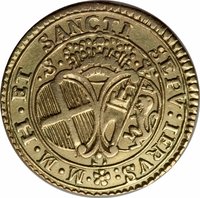
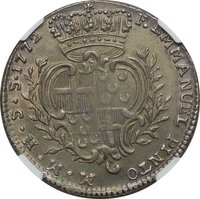
Reverse
Edge
Mintings
| Year | Mint Mark | Mintage | Quality | Collection |
|---|---|---|---|---|
| 1773 | — | — | ||
| 1774 | — | — |
Historical background
In 1773, Malta was under the rule of the Order of Saint John (the Knights Hospitaller), a period marked by a complex and often chaotic monetary environment. The island functioned as a major Mediterranean trading hub, resulting in a multitude of foreign coins circulating alongside local issues. Spanish pieces of eight, Venetian sequins, Ottoman piastres, and French écus all passed through the ports of Valletta, their values fluctuating based on weight, metal content, and merchant agreement. This created a system that was cumbersome for daily commerce and vulnerable to exploitation through clipping and counterfeiting.
The official currency of the Order was the scudo, subdivided into tarì, grani, and piccioli. However, the Order's mint struggled to produce sufficient quantities of small-denomination copper coins (piccioli) for everyday transactions, leading to chronic shortages. To fill this void, the Grandmasters periodically authorized the issue of low-value fiduciary coinage made of copper or silver-plated copper, known as "moneta della guerra" or emergency money. These tokens, often of inferior quality, were a necessity but risked undermining public confidence in the currency.
Consequently, the monetary situation in 1773 was one of fragile duality: an official system based on the scudo existed alongside a pervasive, practical reliance on a bewildering array of foreign specie. This lack of a unified, stable, and trusted currency posed a significant administrative challenge for the Order, hindering efficient taxation and creating economic friction. The situation would persist until the French occupation in 1798, which introduced a new, decimal-based currency, and was later resolved more permanently under subsequent British administration.
The official currency of the Order was the scudo, subdivided into tarì, grani, and piccioli. However, the Order's mint struggled to produce sufficient quantities of small-denomination copper coins (piccioli) for everyday transactions, leading to chronic shortages. To fill this void, the Grandmasters periodically authorized the issue of low-value fiduciary coinage made of copper or silver-plated copper, known as "moneta della guerra" or emergency money. These tokens, often of inferior quality, were a necessity but risked undermining public confidence in the currency.
Consequently, the monetary situation in 1773 was one of fragile duality: an official system based on the scudo existed alongside a pervasive, practical reliance on a bewildering array of foreign specie. This lack of a unified, stable, and trusted currency posed a significant administrative challenge for the Order, hindering efficient taxation and creating economic friction. The situation would persist until the French occupation in 1798, which introduced a new, decimal-based currency, and was later resolved more permanently under subsequent British administration.
Series: 1773 Malta circulation coins
✨ Legendary