

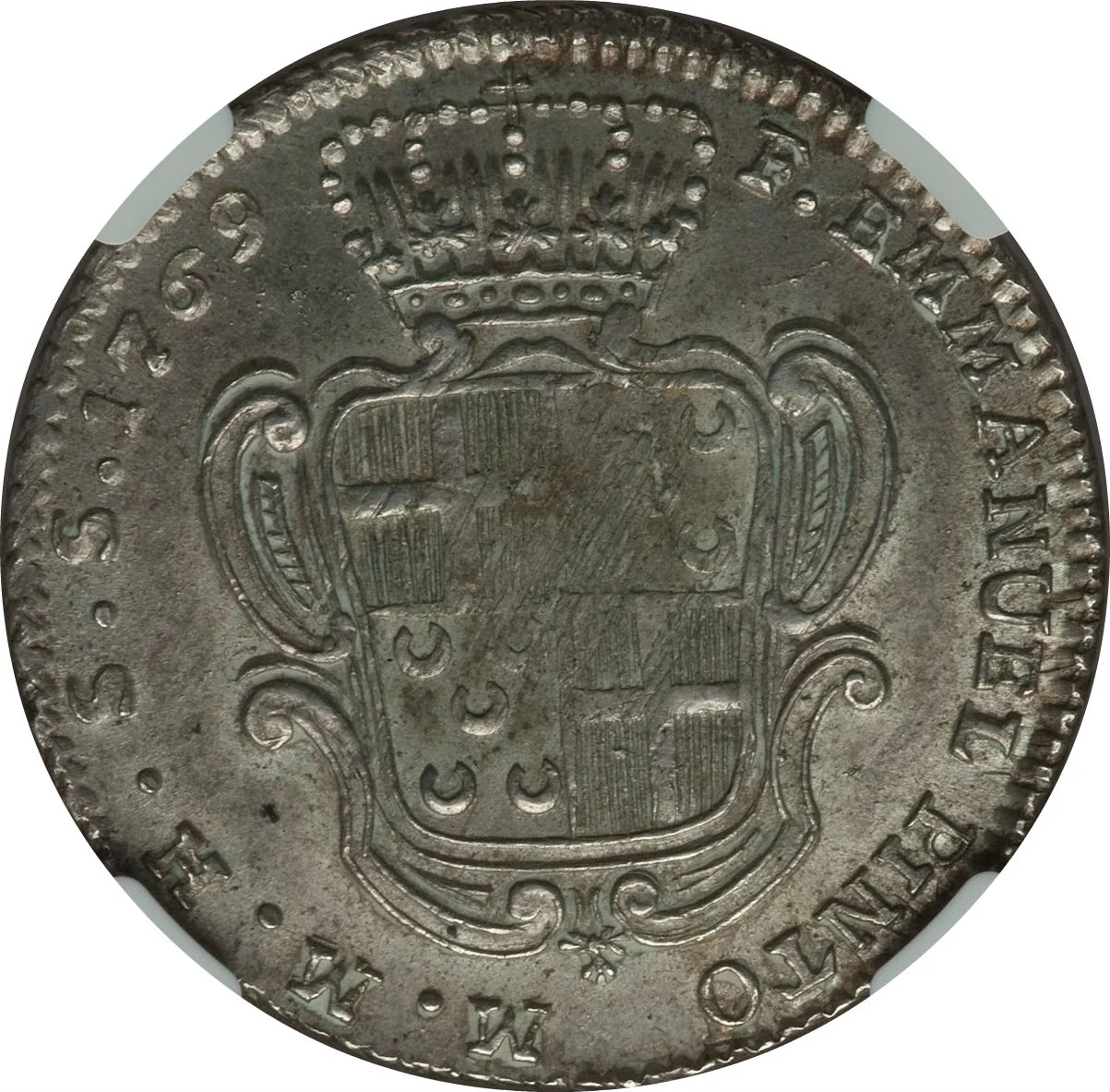
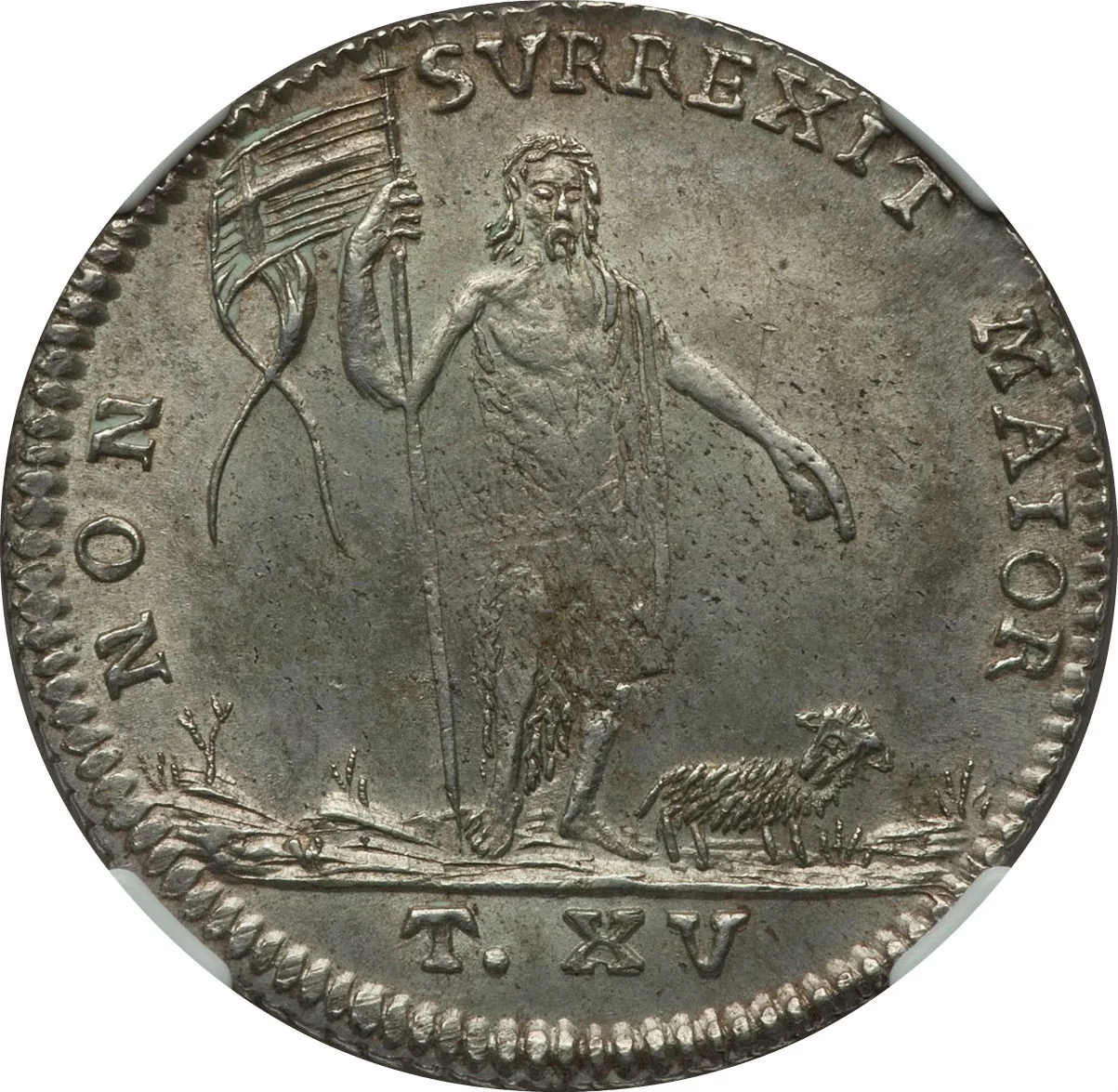
Obverse
Description:
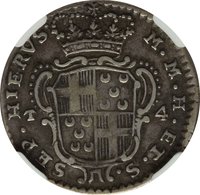
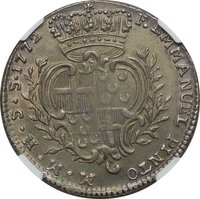
Crowned arms with ornate shield.
Inscription:
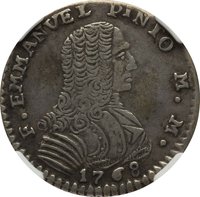
F.EMMANUEL PINTO M.M.H.S.S.1769
Script: Latin
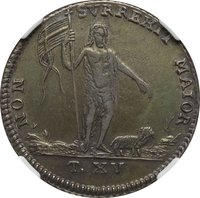
Reverse
Description:
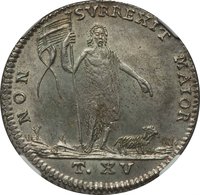
John the Baptist facing right, holding a banner.
Inscription:
NON SVRREXIT MAIOR
T. XV
T. XV
Script: Latin
Edge
Mintings
| Year | Mint Mark | Mintage | Quality | Collection |
|---|---|---|---|---|
| 1769 | — | — |
Historical background
In 1769, Malta's currency situation was a complex tapestry reflecting its dual role as a strategic Mediterranean crossroads and a sovereign state under the Knights of St. John. The primary unit was the Maltese scudo, subdivided into 12 tari, each of 20 grani. However, a multitude of foreign coins circulated freely alongside it, including Spanish pieces of eight, Venetian sequins, Neapolitan ducats, and French louis d'or. This created a perpetually fluctuating exchange environment, as the value of these foreign coins was not fixed but determined by their precious metal content and market demand, leading to frequent official proclamations to adjust their tariffed rates.
The Knights' government struggled to maintain monetary stability. Chronic trade deficits, particularly with Sicily for vital grain, drained silver coinage from the islands, causing periodic shortages of small change for everyday transactions. This led to the recurring problem of "black money" – heavily worn or clipped coins – which further complicated commerce. Attempts to introduce a purely local copper coinage for minor denominations often met with public distrust, as people preferred the intrinsic value of silver.
Ultimately, the monetary chaos of 1769 was symptomatic of the Knights' declining economic power and the limitations of a small state without its own robust minting authority. The system relied on reactive proclamations rather than proactive control, leaving merchants and the public to navigate a confusing marketplace of competing metallic values. This instability would persist until the late 18th century when more systematic reforms were attempted, just before the French occupation in 1798 swept the old financial order away entirely.
The Knights' government struggled to maintain monetary stability. Chronic trade deficits, particularly with Sicily for vital grain, drained silver coinage from the islands, causing periodic shortages of small change for everyday transactions. This led to the recurring problem of "black money" – heavily worn or clipped coins – which further complicated commerce. Attempts to introduce a purely local copper coinage for minor denominations often met with public distrust, as people preferred the intrinsic value of silver.
Ultimately, the monetary chaos of 1769 was symptomatic of the Knights' declining economic power and the limitations of a small state without its own robust minting authority. The system relied on reactive proclamations rather than proactive control, leaving merchants and the public to navigate a confusing marketplace of competing metallic values. This instability would persist until the late 18th century when more systematic reforms were attempted, just before the French occupation in 1798 swept the old financial order away entirely.
✨ Legendary