

10 scudi – Malta
Add to wishlist
Malta
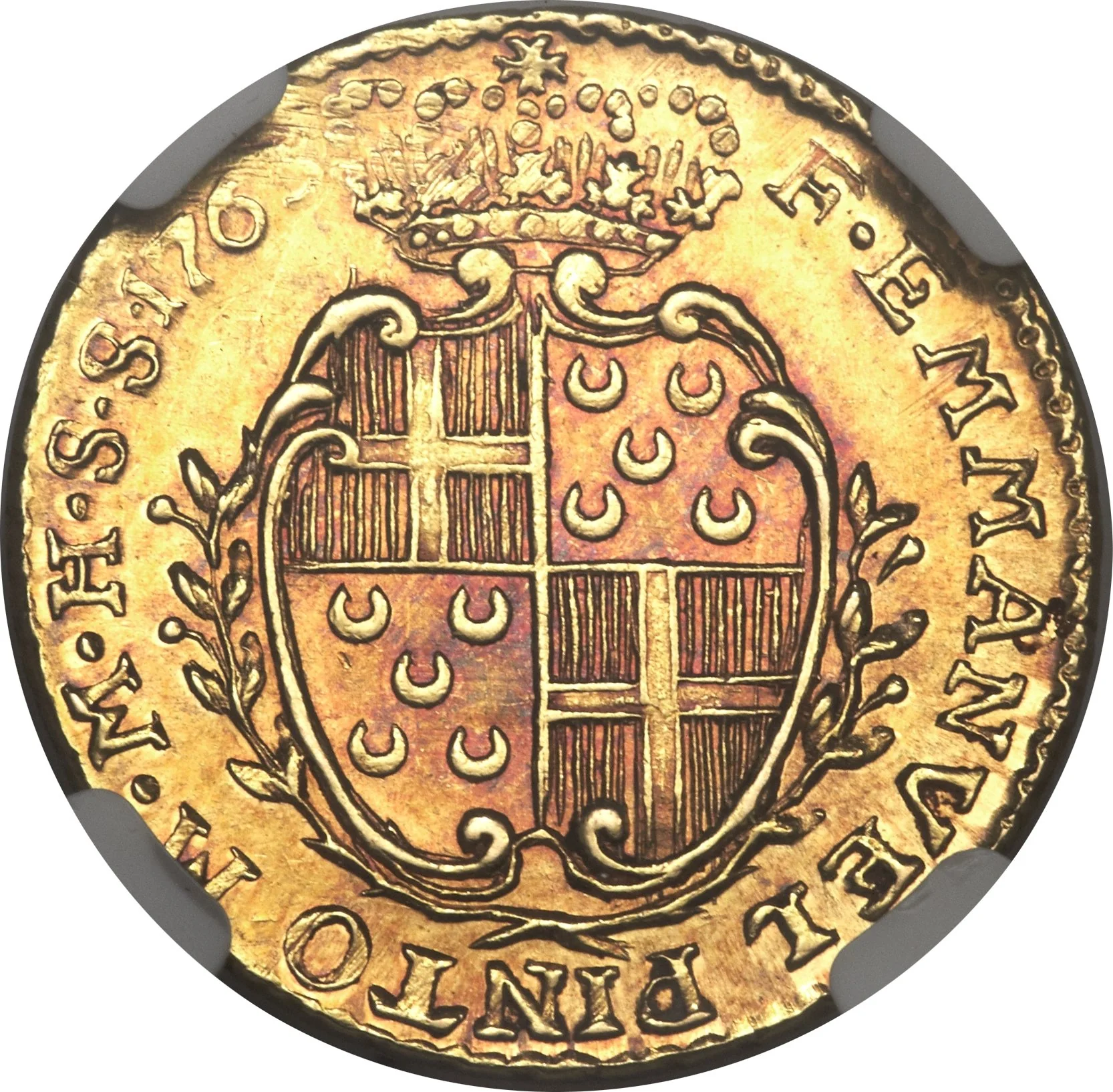
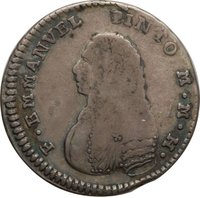
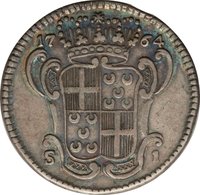
Obverse
Description:
Crowned oval shield flanked by sprigs.
Inscription:
F·EMMANVEL PINTO M·M·H·S·S·1763
Script: Latin
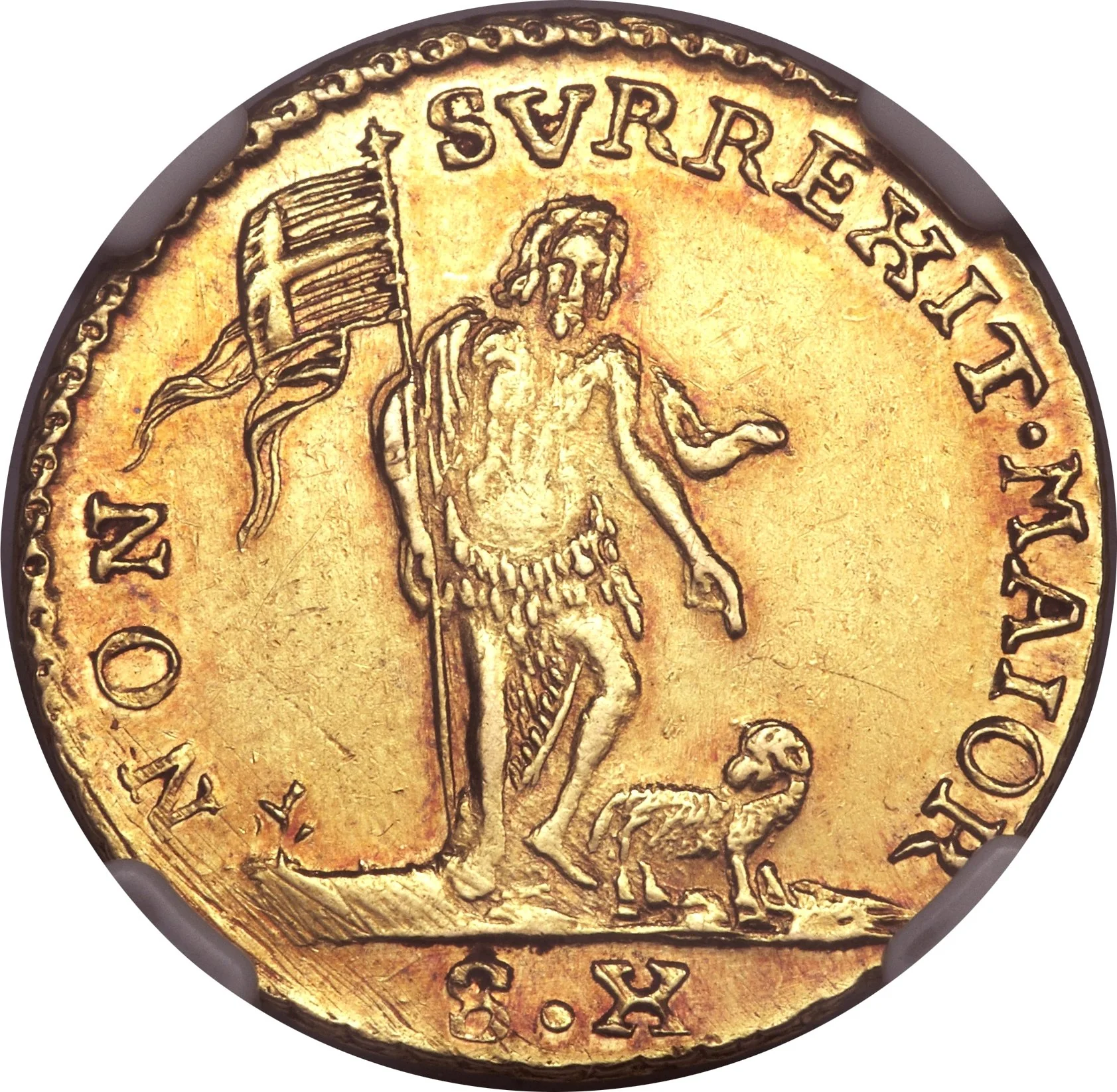
Reverse
Description:
John the Baptist, banner, lamb at right.
Inscription:
NON SVRREXIT·MAIOR
S·X
S·X
Script: Latin
Edge
Mintings
| Year | Mint Mark | Mintage | Quality | Collection |
|---|---|---|---|---|
| 1763 | — | — |
Historical background
In 1763, Malta's currency situation was complex and fragmented, reflecting its strategic position and recent history. The islands, ruled by the Sovereign Military Order of St. John, were a bustling Mediterranean hub where multiple coinages circulated simultaneously. The official currency was the Scudo, subdivided into 12 Tari, each of 20 Grani. However, due to extensive trade, a multitude of foreign coins—particularly Spanish Pieces of Eight, Venetian Zecchini, and Ottoman Sultani—were also in common use and accepted for commerce. This created a constant need for money-changers and published exchange tariffs to navigate the daily transactions.
The system faced significant challenges, primarily a chronic shortage of small-denomination coinage for everyday use. This scarcity was exacerbated by the Order's own mint, which primarily produced high-value silver and gold coins for prestige and large-scale trade, neglecting the copper and billon coins needed by the populace. Consequently, the economy relied heavily on worn and clipped foreign small change, and even the illicit cutting of larger coins into halves and quarters (known as "pieces of four and two") to facilitate smaller purchases, leading to confusion and inefficiency.
Recognizing the economic strain, the Order undertook a major monetary reform in that very year. Under Grand Master Manuel Pinto da Fonseca, new copper Grano and Tari coins were minted in substantial quantities, bearing his distinctive portrait. This 1763 issue was a deliberate and practical effort to stabilize the local economy by flooding the market with a standardized, low-value coinage, thereby reducing dependence on erratic foreign specie and simplifying daily trade for Maltese merchants and citizens. This reform marked a crucial step toward a more unified and functional monetary system on the islands.
The system faced significant challenges, primarily a chronic shortage of small-denomination coinage for everyday use. This scarcity was exacerbated by the Order's own mint, which primarily produced high-value silver and gold coins for prestige and large-scale trade, neglecting the copper and billon coins needed by the populace. Consequently, the economy relied heavily on worn and clipped foreign small change, and even the illicit cutting of larger coins into halves and quarters (known as "pieces of four and two") to facilitate smaller purchases, leading to confusion and inefficiency.
Recognizing the economic strain, the Order undertook a major monetary reform in that very year. Under Grand Master Manuel Pinto da Fonseca, new copper Grano and Tari coins were minted in substantial quantities, bearing his distinctive portrait. This 1763 issue was a deliberate and practical effort to stabilize the local economy by flooding the market with a standardized, low-value coinage, thereby reducing dependence on erratic foreign specie and simplifying daily trade for Maltese merchants and citizens. This reform marked a crucial step toward a more unified and functional monetary system on the islands.
✨ Legendary