

Obverse
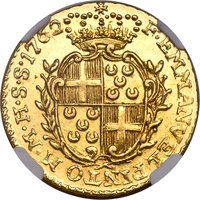
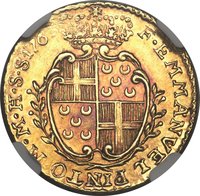
Description:
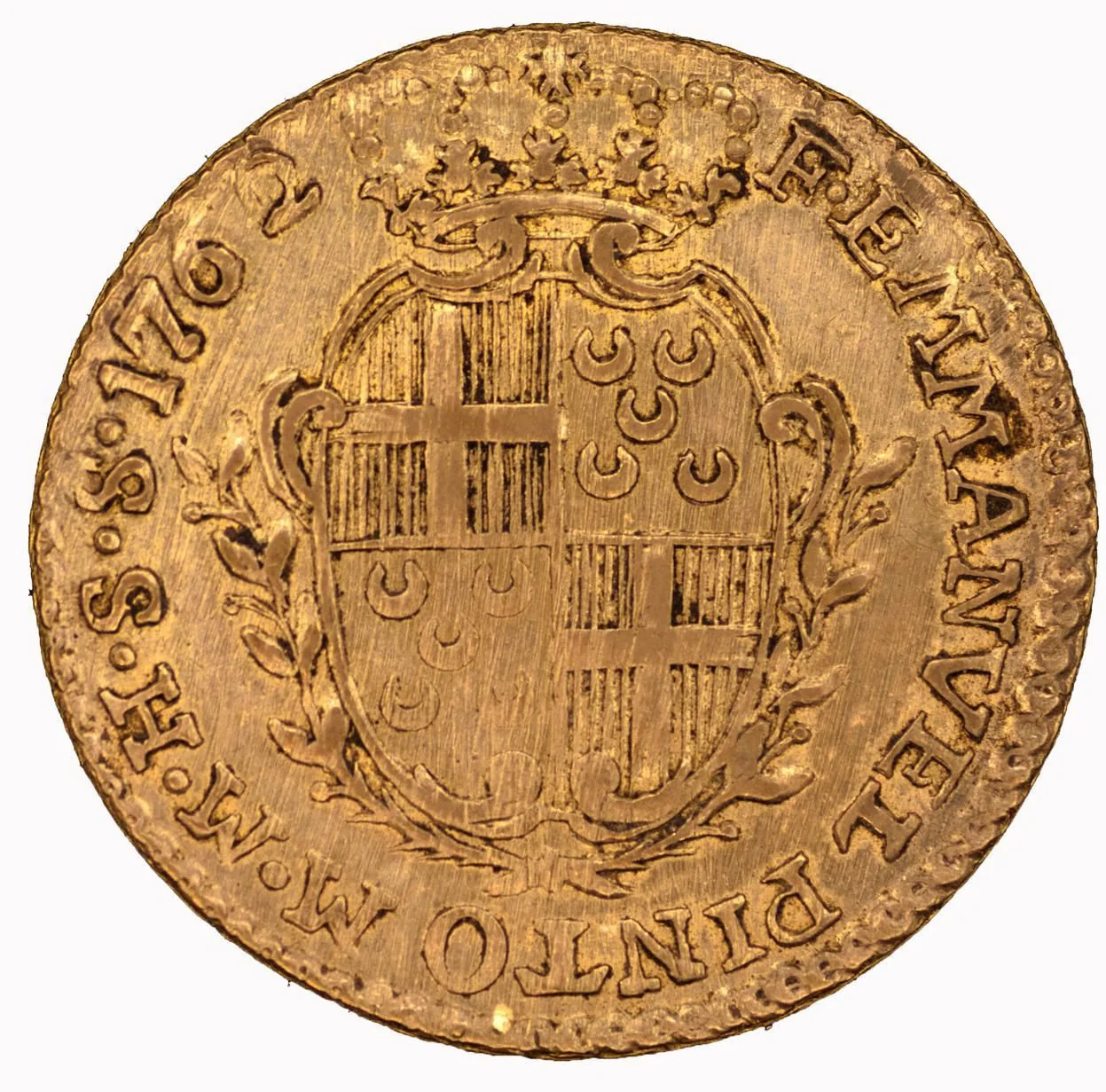
Crowned oval shield flanked by sprigs.
Inscription:
F·EMMANVEL PINTO M·M·H·S·S·1762
Script: Latin
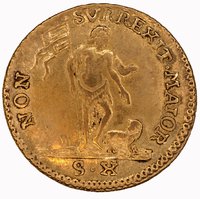
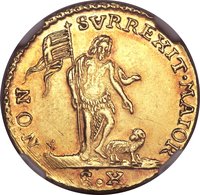
Reverse
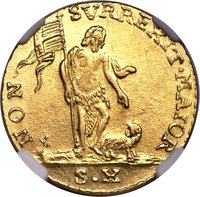
Description:
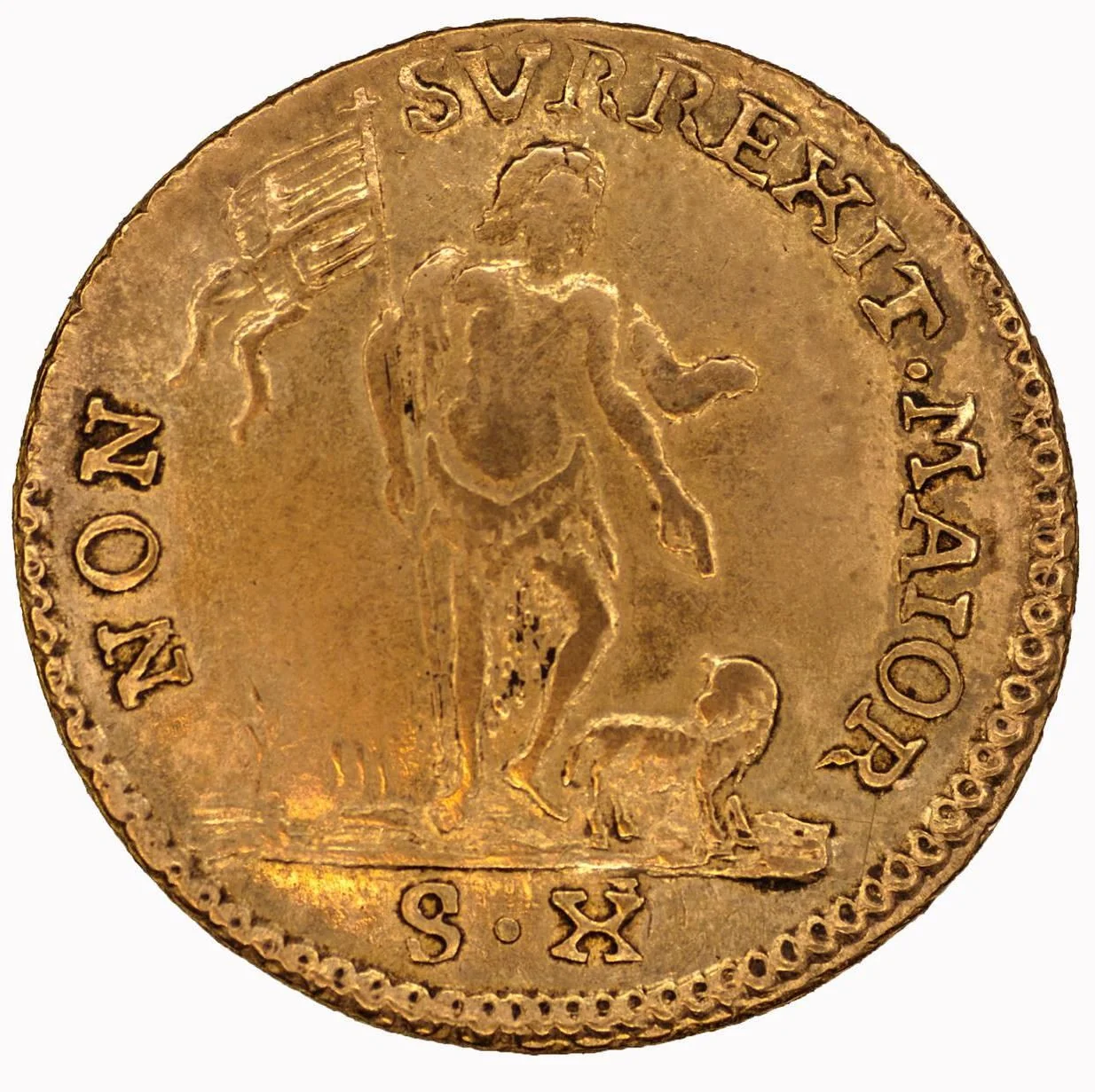
John the Baptist, banner, lamb at right.
Inscription:
NON SVRREXIT·MAIOR
S . X
S . X
Script: Latin
Edge
Mintings
| Year | Mint Mark | Mintage | Quality | Collection |
|---|---|---|---|---|
| 1762 | — | — |
Historical background
In 1762, Malta's currency situation was complex and fragmented, reflecting its strategic position and the legacy of its rulers. The islands were under the governance of the Sovereign Military Order of St. John, which minted its own copper and silver coins, such as the scudo, tarì, and grani. However, these official issues were insufficient for the thriving economy of Valletta's busy port, leading to a chronic shortage of small-denomination coinage for daily transactions.
This scarcity was exacerbated by the widespread circulation of a multitude of foreign coins, a common phenomenon in Mediterranean trading hubs. Spanish pieces of eight, Venetian sequins, French louis d'or, and Ottoman coins all passed through merchants' hands, their values fluctuating based on weight and metallic content. The local economy effectively operated on a de facto system of commodity money for smaller exchanges, with goods and services often bartered due to the lack of reliable small change.
Recognising the economic impediments, the Order took a significant step in 1762 by authorising the issuance of emergency paper money. This was not a permanent currency but a series of interest-bearing treasury bonds, or billets de monnaie, intended to facilitate government payments and stimulate commerce. While a innovative response to the coin shortage, this paper issue was initially met with public skepticism, underscoring the challenges of managing a monetary system in a small, trade-dependent island nation amidst a sea of international currencies.
This scarcity was exacerbated by the widespread circulation of a multitude of foreign coins, a common phenomenon in Mediterranean trading hubs. Spanish pieces of eight, Venetian sequins, French louis d'or, and Ottoman coins all passed through merchants' hands, their values fluctuating based on weight and metallic content. The local economy effectively operated on a de facto system of commodity money for smaller exchanges, with goods and services often bartered due to the lack of reliable small change.
Recognising the economic impediments, the Order took a significant step in 1762 by authorising the issuance of emergency paper money. This was not a permanent currency but a series of interest-bearing treasury bonds, or billets de monnaie, intended to facilitate government payments and stimulate commerce. While a innovative response to the coin shortage, this paper issue was initially met with public skepticism, underscoring the challenges of managing a monetary system in a small, trade-dependent island nation amidst a sea of international currencies.
✨ Legendary