

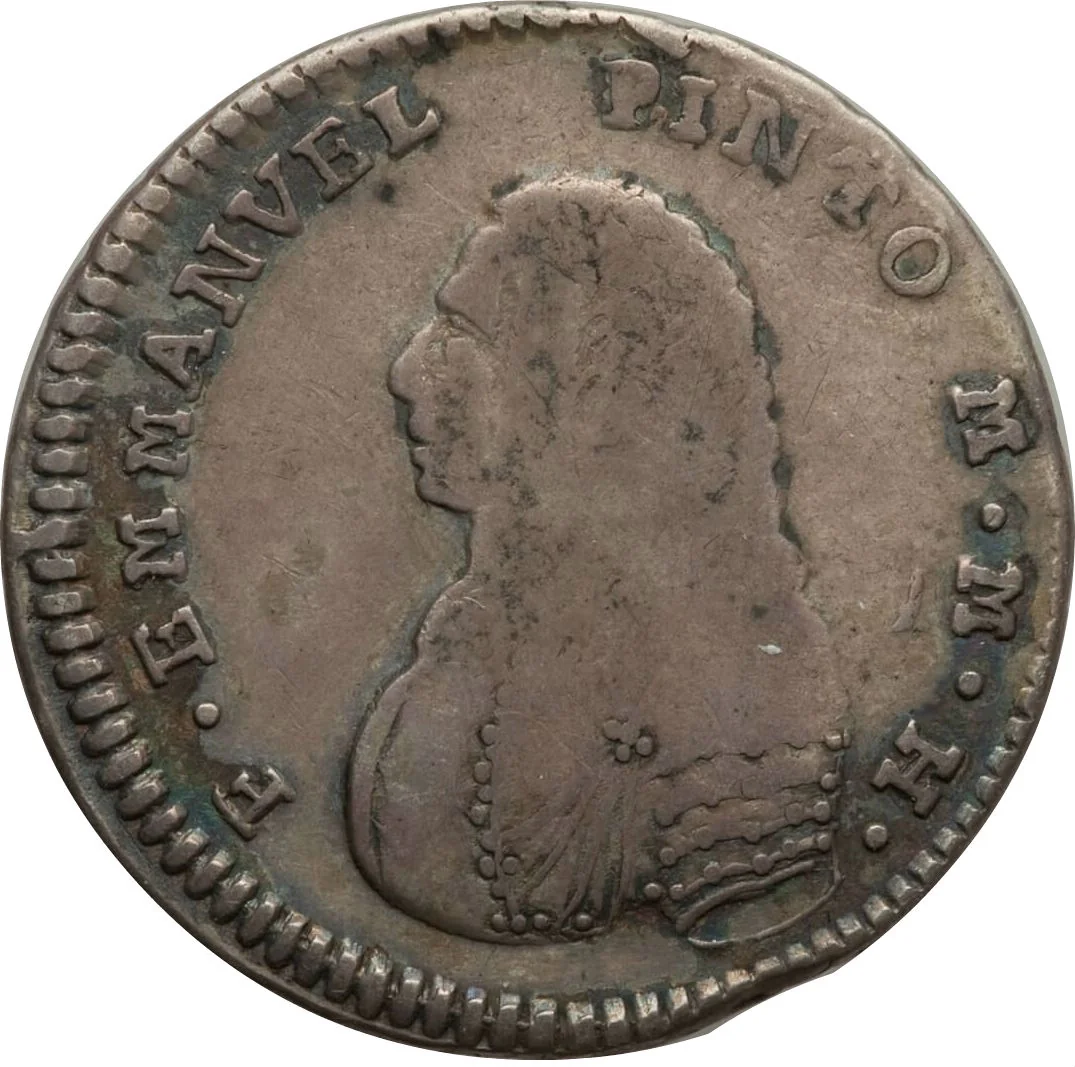
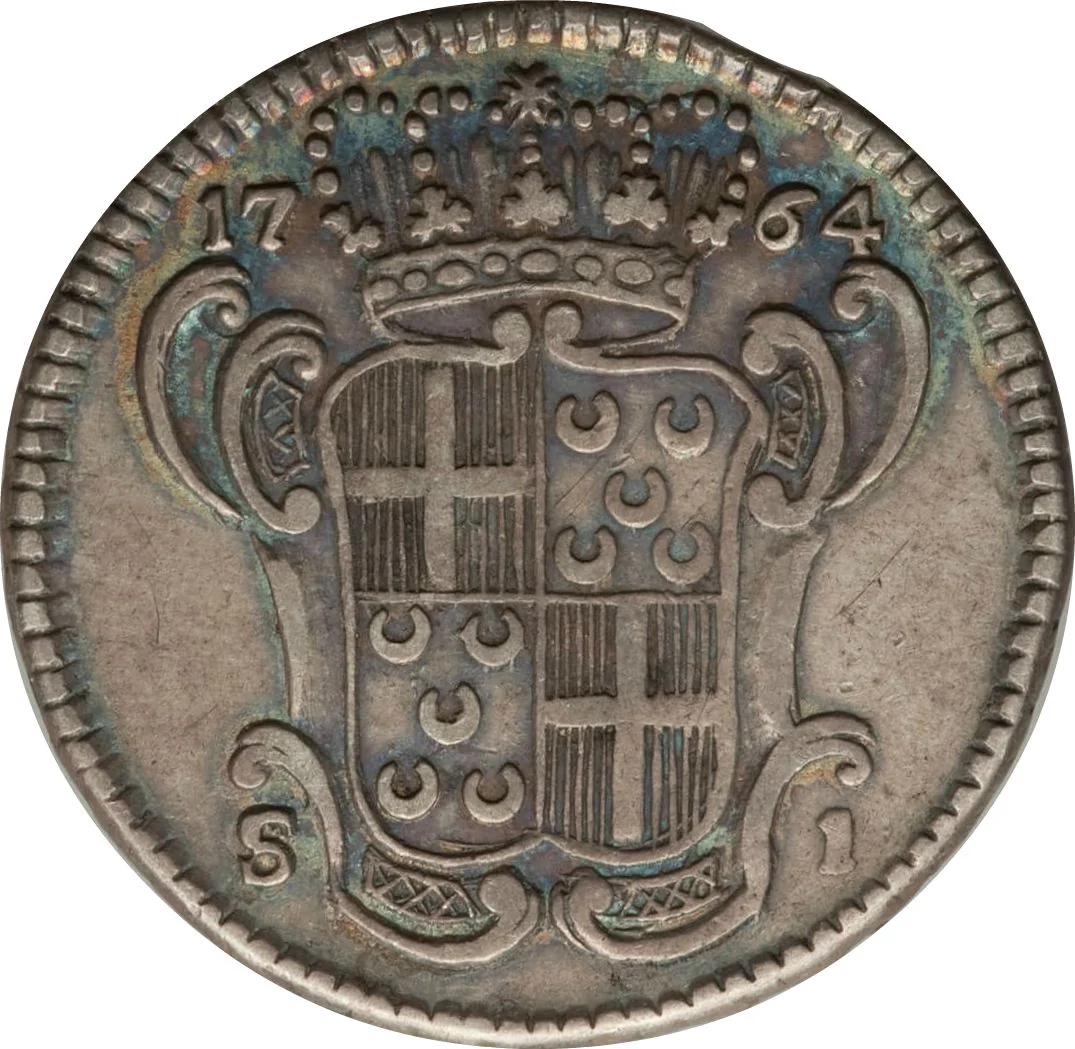
1 scudo – Malta
Add to wishlist
Malta
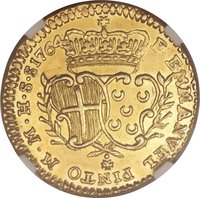
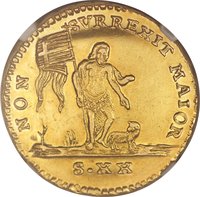
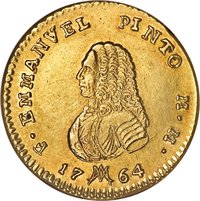
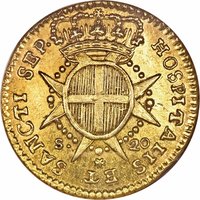
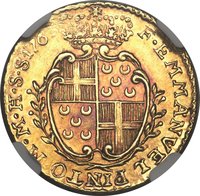
Obverse
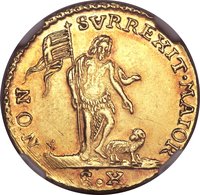
Reverse
Edge
Plain
Mintings
| Year | Mint Mark | Mintage | Quality | Collection |
|---|---|---|---|---|
| 1764 | — | — |
Historical background
In 1764, Malta's currency situation was complex and fragmented, reflecting its strategic position and recent political transition. The islands were under the rule of the Knights of St. John, who issued their own distinctive coinage, primarily the Scudo. This was subdivided into 12 Tari, each of 20 Grani, with the Gran further divided into 6 Piccioli. However, this official system coexisted with a multitude of foreign coins circulating widely in the busy port of Valletta. Spanish pieces of eight, Venetian sequins, French louis d'or, and Sicilian and Neapolitan coins were all commonly used in commerce, their values fluctuating based on weight and metallic content.
This monetary pluralism created significant challenges for trade and daily transactions. Merchants and money-changers had to constantly assess the intrinsic value (the silver or gold content) and the exchange rates between these various coins and the official Knightly scudo. The situation was further complicated by the occasional debasement of the Knights' own coinage to fund their governance and military fortifications, which could erode public trust in the local currency. The economy, heavily reliant on maritime trade, corsairing, and services to foreign fleets, inherently demanded this flexible but cumbersome multi-currency system.
Ultimately, the fragmented system of 1764 highlighted the Knights' limited sovereign control over economic matters in a globally connected hub. While they minted coins bearing their grandmaster's emblem as a symbol of authority, the practical reality was a marketplace dictated by the international value of bullion. This period preceded more standardized reforms, and the chaotic circulation set the stage for future monetary decrees by the Knights in the late 18th century, which attempted, with mixed success, to regulate the rates and acceptability of the plethora of foreign coins flooding the islands.
This monetary pluralism created significant challenges for trade and daily transactions. Merchants and money-changers had to constantly assess the intrinsic value (the silver or gold content) and the exchange rates between these various coins and the official Knightly scudo. The situation was further complicated by the occasional debasement of the Knights' own coinage to fund their governance and military fortifications, which could erode public trust in the local currency. The economy, heavily reliant on maritime trade, corsairing, and services to foreign fleets, inherently demanded this flexible but cumbersome multi-currency system.
Ultimately, the fragmented system of 1764 highlighted the Knights' limited sovereign control over economic matters in a globally connected hub. While they minted coins bearing their grandmaster's emblem as a symbol of authority, the practical reality was a marketplace dictated by the international value of bullion. This period preceded more standardized reforms, and the chaotic circulation set the stage for future monetary decrees by the Knights in the late 18th century, which attempted, with mixed success, to regulate the rates and acceptability of the plethora of foreign coins flooding the islands.
✨ Legendary