

1 Cash – Danish India
India
Context
Year: 1652
Country: India 
Issuer: Danish India
Ruler: Frederick III
Currency:
(1730—1818)
Demonetized: Yes
Material
References
KM: #Click to copy to clipboard59
Numista: #119668
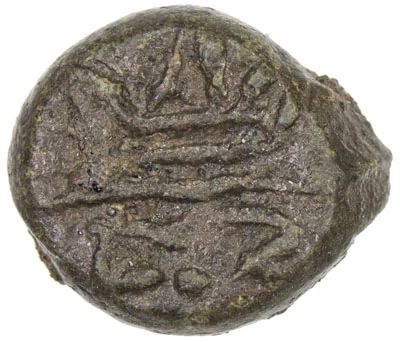
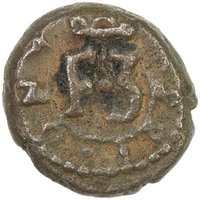
Obverse
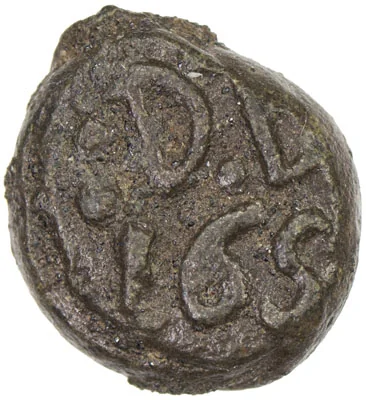
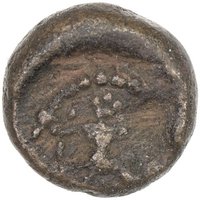
Reverse
Edge
Mintings
| Year | Mint Mark | Mintage | Quality | Collection |
|---|---|---|---|---|
| 1652 | — | — |
Historical background
In 1652, the currency situation in Danish India was characterized by a complex interplay of local, regional, and European monetary systems. The Danish East India Company, having established its primary settlement at Tranquebar (Tharangambadi) on the Coromandel Coast in 1620, operated within a sophisticated South Indian economy dominated by high-quality gold pagodas and silver fanams. The Company’s trade, focused on textiles, spices, and precious goods, required constant access to these local currencies to pay weavers, merchants, and for local expenses. However, obtaining sufficient bullion was a perennial challenge, as Denmark itself had limited silver resources, forcing the Company to rely on imported Spanish silver dollars and other European coins to acquire local currency.
The Danish administration attempted to formalize a monetary system by minting its own coins at a mint in Tranquebar. These included copper kās (or cash) for small-scale transactions and silver fanams, which were designed to align with the prevailing regional systems of the Nayakas and later the Mughals. Despite these efforts, Danish-issued coins circulated alongside a plethora of other currencies, including Mughal rupees, Venetian ducats, Dutch guilders, and Portuguese cruzados. This created a fluid and often confusing exchange environment where the value of coins was determined by their intrinsic metal content and prevailing market rates rather than by strict fiat.
Consequently, the year 1652 fell within a period of monetary experimentation and vulnerability for the Danish enclave. The Company’s limited economic power meant its currency never achieved dominance, and it constantly had to navigate arbitrage and exchange fluctuations. The primary financial strategy remained the importation of silver from Europe to be exchanged for local gold pagodas, which were then used to procure export goods. This situates the Danish currency situation as one of pragmatic adaptation within a vibrant and competitive multi-currency marketplace, where commercial survival depended on successfully mediating between European bullion and the established monetary traditions of India.
The Danish administration attempted to formalize a monetary system by minting its own coins at a mint in Tranquebar. These included copper kās (or cash) for small-scale transactions and silver fanams, which were designed to align with the prevailing regional systems of the Nayakas and later the Mughals. Despite these efforts, Danish-issued coins circulated alongside a plethora of other currencies, including Mughal rupees, Venetian ducats, Dutch guilders, and Portuguese cruzados. This created a fluid and often confusing exchange environment where the value of coins was determined by their intrinsic metal content and prevailing market rates rather than by strict fiat.
Consequently, the year 1652 fell within a period of monetary experimentation and vulnerability for the Danish enclave. The Company’s limited economic power meant its currency never achieved dominance, and it constantly had to navigate arbitrage and exchange fluctuations. The primary financial strategy remained the importation of silver from Europe to be exchanged for local gold pagodas, which were then used to procure export goods. This situates the Danish currency situation as one of pragmatic adaptation within a vibrant and competitive multi-currency marketplace, where commercial survival depended on successfully mediating between European bullion and the established monetary traditions of India.
✨ Legendary