

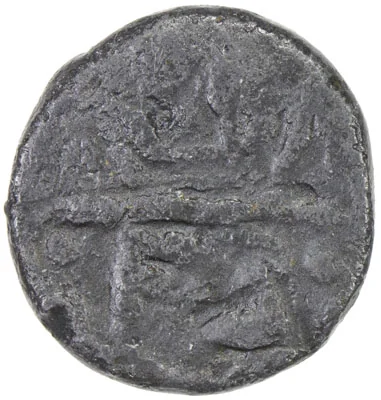
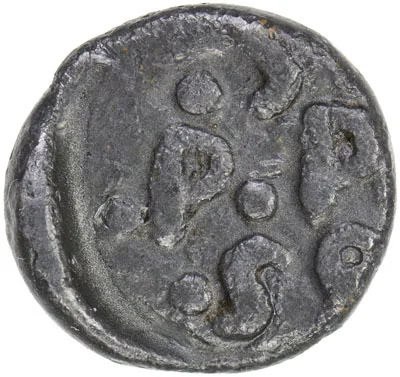
1 Cash – Danish India
India
Context
Year: 1650
Country: India 
Issuer: Danish India
Ruler: Frederick III
Currency:
(1730—1818)
Demonetized: Yes
Material
References
KM: #Click to copy to clipboard52
Numista: #119664
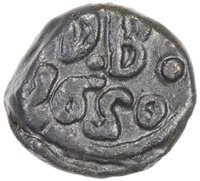
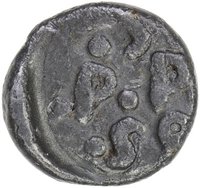
Obverse
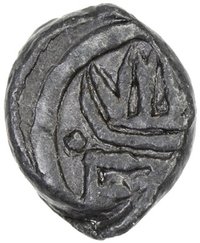
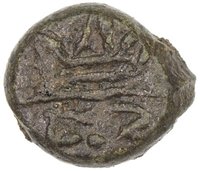
Reverse
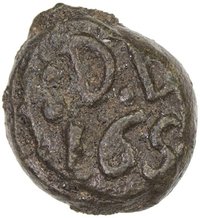
Edge
Mintings
| Year | Mint Mark | Mintage | Quality | Collection |
|---|---|---|---|---|
| 1650 | — | — |
Historical background
In 1650, Danish India was a minor but strategically engaged colonial enterprise, centered on the small fortified outpost of Tranquebar (Tharangambadi) on the Coromandel Coast. The currency situation was inherently complex and dualistic, reflecting Denmark's limited economic power within the vast and sophisticated Indian Ocean trading world. Officially, the Danish East India Company operated on a silver standard, using imported European silver coins like rix-dollars and skillings for its internal accounts and salaries. However, these European coins held little practical sway in local markets.
The real circulatory lifeblood of the settlement was the diverse array of Indian and other foreign currencies already dominant in regional commerce. Danish merchants and the local population conducted daily transactions using a variety of coins, most importantly the ubiquitous gold pagoda and the silver fanam of the neighbouring Kingdom of Thanjavur. Furthermore, widely recognised Mughal silver rupees and copper *cash coins were essential for trade further afield. The Danish company had no mint of its own and was thus forced to engage in constant currency arbitrage, purchasing these local and regional coins with imported bullion to facilitate trade and pay for Indian textiles and spices.
Consequently, the monetary environment was one of calculated pragmatism. The Danish administration published official exchange rates (tariffs) to fix the value of their own company coins against the pagoda, fanam, and rupee, attempting to bring order to a fluid system. This practice was less about imposing a Danish currency and more about creating a stable bridge between their European accounting system and the subcontinent's established monetary networks. In essence, Denmark’s currency "situation" in 1650 was one of adaptation and dependence, with the economic vitality of Tranquebar relying entirely on its successful integration into existing South Asian financial circuits.
The real circulatory lifeblood of the settlement was the diverse array of Indian and other foreign currencies already dominant in regional commerce. Danish merchants and the local population conducted daily transactions using a variety of coins, most importantly the ubiquitous gold pagoda and the silver fanam of the neighbouring Kingdom of Thanjavur. Furthermore, widely recognised Mughal silver rupees and copper *cash coins were essential for trade further afield. The Danish company had no mint of its own and was thus forced to engage in constant currency arbitrage, purchasing these local and regional coins with imported bullion to facilitate trade and pay for Indian textiles and spices.
Consequently, the monetary environment was one of calculated pragmatism. The Danish administration published official exchange rates (tariffs) to fix the value of their own company coins against the pagoda, fanam, and rupee, attempting to bring order to a fluid system. This practice was less about imposing a Danish currency and more about creating a stable bridge between their European accounting system and the subcontinent's established monetary networks. In essence, Denmark’s currency "situation" in 1650 was one of adaptation and dependence, with the economic vitality of Tranquebar relying entirely on its successful integration into existing South Asian financial circuits.
✨ Legendary