

1 Ducat – Republic of Ragusa
Croatia
Context
Years: 1722–1797
Country: Croatia 
Issuer: Republic of Ragusa
Period:
(1294—1803)
Currency:
(1294—1803)
Demonetized: Yes
Material
References
KM: #Click to copy to clipboard15
Numista: #86549
Value
Bullion value: $33.00
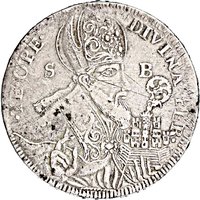
Obverse
Description:
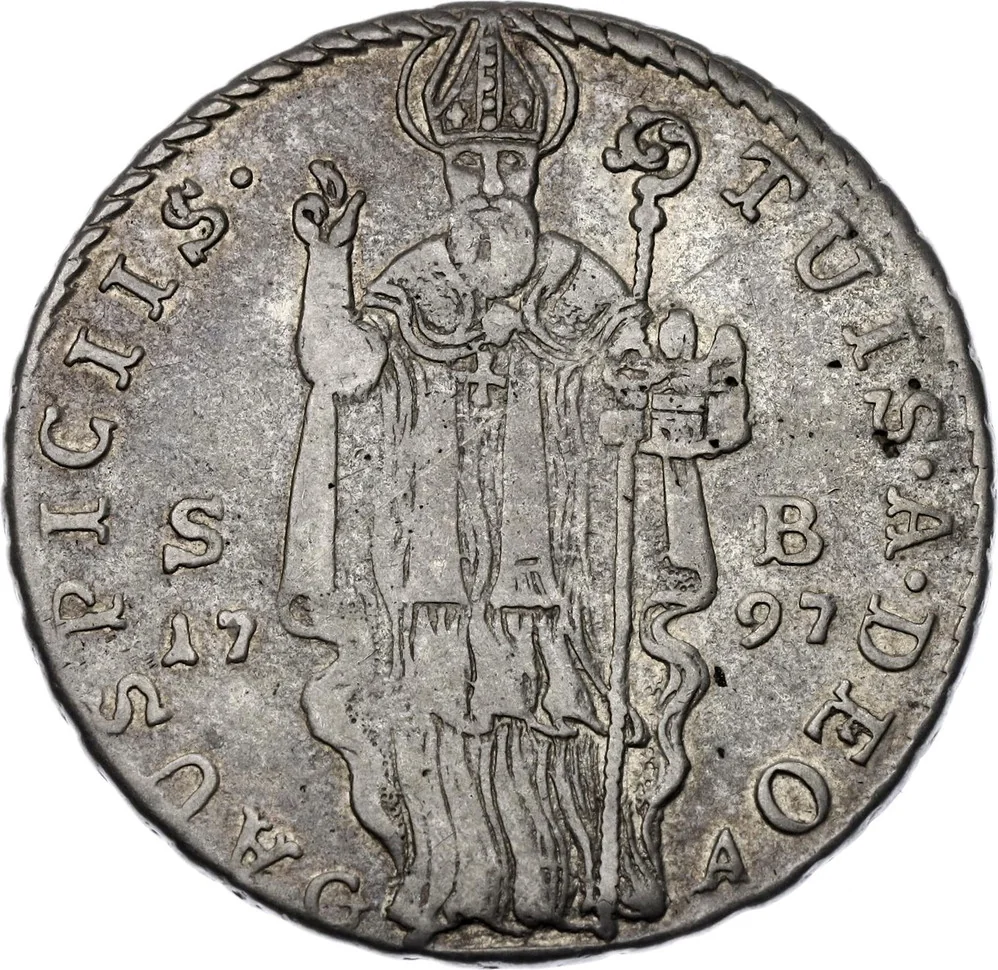
St. Blaze, date, and "S B" with surrounding lettering.
Inscription:
TUIS・A・DEO・AVSPICIIS
Script: Latin
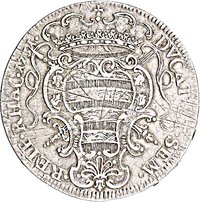
Reverse
Description:
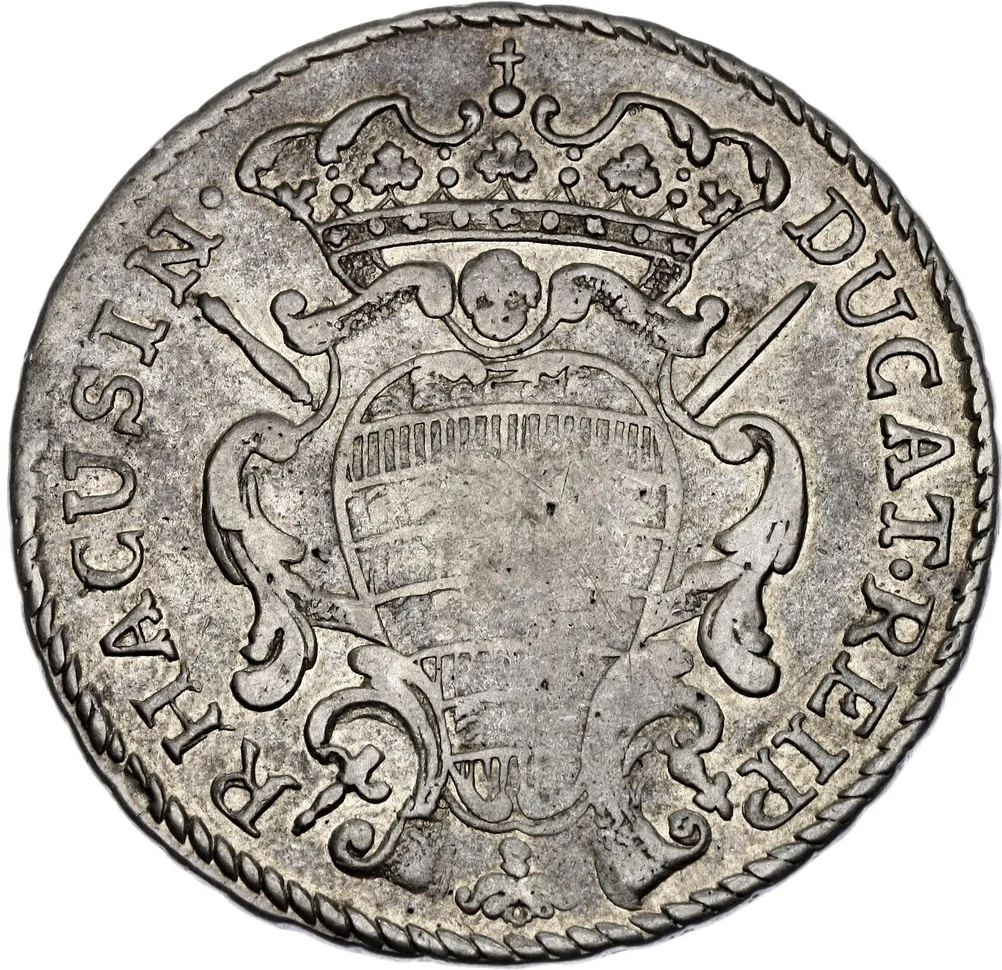
Crowned, ornamented coat of arms with surrounding lettering.
Inscription:
DUCAT・REIP・RHAGVSINE
Script: Latin
Edge
Mintings
| Year | Mint Mark | Mintage | Quality | Collection |
|---|---|---|---|---|
| 1722 | — | — | ||
| 1723 | — | — | ||
| 1797 | G-A | — |
Historical background
In 1722, the Republic of Ragusa (modern-day Dubrovnik) operated a complex and sophisticated monetary system, a necessity for a small maritime republic whose wealth depended entirely on long-distance trade and financial services. The state did not mint its own gold or silver coins but instead relied on the widespread circulation of foreign specie, primarily Venetian ducats and sequins, Ottoman piastres (kuruş), and Spanish pieces of eight. This "free currency" system reflected Ragusa's unique geopolitical position as a neutral tributary state, simultaneously under the nominal sovereignty of the Ottoman Empire while maintaining deep cultural and economic ties with the Italian peninsula and the broader Mediterranean world.
The official accounting unit was the Ragusan perper, a money of account used for bookkeeping, contracts, and setting prices. However, the perper existed only on paper, as a stable measure against which the values of myriad physical coins fluctuated. The Senate and the monetary magistrates (Officio della Moneta) rigorously published official exchange rates (tariffa) for dozens of foreign coins, a critical practice to prevent fraud and ensure smooth commercial transactions. The republic did produce its own fractional coinage—small silver grossetti and billon soldi—to facilitate everyday local trade, but these were intentionally token coins, their metallic value lower than their face value, preventing their export and ensuring they remained in internal circulation.
This monetary landscape in 1722 was under constant pressure. The influx of debased foreign coins, particularly from neighbouring Ottoman territories, threatened to drive good silver out of circulation (Gresham's Law). Ragusa's authorities responded with vigilant regulation, frequent recoinages of its own subsidiary currency, and harsh penalties for counterfeiters. The system's ultimate goal was to preserve confidence and stability, allowing Ragusan merchants, bankers, and diplomats to operate seamlessly across Christian and Ottoman borders, which was the very foundation of the republic's enduring prosperity in the early 18th century.
The official accounting unit was the Ragusan perper, a money of account used for bookkeeping, contracts, and setting prices. However, the perper existed only on paper, as a stable measure against which the values of myriad physical coins fluctuated. The Senate and the monetary magistrates (Officio della Moneta) rigorously published official exchange rates (tariffa) for dozens of foreign coins, a critical practice to prevent fraud and ensure smooth commercial transactions. The republic did produce its own fractional coinage—small silver grossetti and billon soldi—to facilitate everyday local trade, but these were intentionally token coins, their metallic value lower than their face value, preventing their export and ensuring they remained in internal circulation.
This monetary landscape in 1722 was under constant pressure. The influx of debased foreign coins, particularly from neighbouring Ottoman territories, threatened to drive good silver out of circulation (Gresham's Law). Ragusa's authorities responded with vigilant regulation, frequent recoinages of its own subsidiary currency, and harsh penalties for counterfeiters. The system's ultimate goal was to preserve confidence and stability, allowing Ragusan merchants, bankers, and diplomats to operate seamlessly across Christian and Ottoman borders, which was the very foundation of the republic's enduring prosperity in the early 18th century.
💎 Extremely Rare