

2 Paisas – Bombay Presidency
India

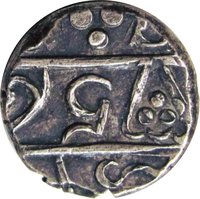
Obverse
Description:
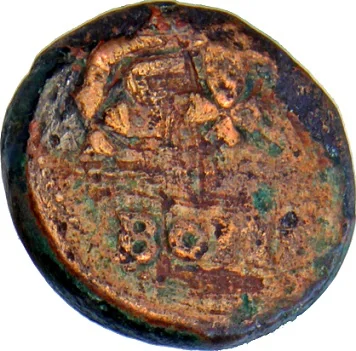
Large crown, G-R above orb and cross, "BOMB" below. Beaded rim.
Inscription:
G R
BOMB
BOMB
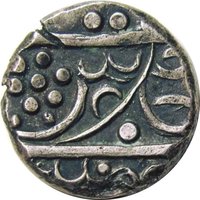
Reverse
Description:
Founded (date)
Inscription:
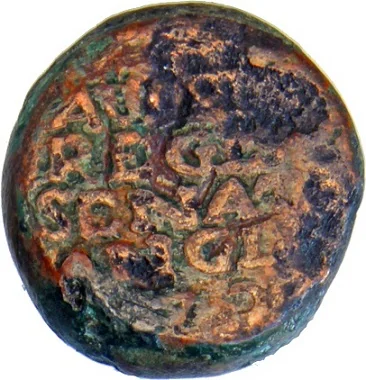
AUSPICIO
REGISET
SENATUS
ANGLIA
1737
REGISET
SENATUS
ANGLIA
1737
Edge
Plain
Mintings
| Year | Mint Mark | Mintage | Quality | Collection |
|---|---|---|---|---|
| 1728 | — | — | ||
| 1730 | — | — | ||
| 1733 | — | — | ||
| 1735 | — | — | ||
| 1737 | — | — |
Historical background
In 1728, the currency situation within the Bombay Presidency was complex and transitional, defined by the coexistence of multiple monetary systems. The Presidency, a key node of the English East India Company, operated within a wider Indian Ocean economy where the dominant silver currency was the Mughal rupee and its local variants. However, Bombay itself also circulated a variety of foreign coins, including Portuguese xerafins and tangas, Spanish dollars (pieces of eight), and other European silver, all valued by their intrinsic silver weight. This multiplicity created constant challenges for trade and administration, requiring official "batta" (exchange rate) tables to manage premiums and discounts between different coin types.
The Company administration grappled with a chronic shortage of standardized, trustworthy specie. Counterfeiting and the clipping of coins were rampant problems, eroding confidence in everyday transactions. Furthermore, the intrinsic value of silver coins often exceeded their face value, leading to their frequent export or melting down, which exacerbated the local scarcity. In response, the Bombay Mint, established at Bombay Castle, actively recoined foreign silver into Mughal-style rupees bearing the name of Emperor Muhammad Shah to facilitate wider acceptance. Yet, its output was often insufficient to meet commercial demand.
This fragmented system underscored Bombay’s position as a commercial hub striving for monetary order amidst regional diversity. The Company’s efforts to impose a uniform currency were pragmatic rather than sovereign, adapting to the prevailing Mughal monetary standard while managing a babel of circulating media. The situation in 1728 thus reflected a period before the Company’s later territorial and fiscal dominance, where its currency authority was still consolidating within the competitive and fluid financial landscape of the western Indian coast.
The Company administration grappled with a chronic shortage of standardized, trustworthy specie. Counterfeiting and the clipping of coins were rampant problems, eroding confidence in everyday transactions. Furthermore, the intrinsic value of silver coins often exceeded their face value, leading to their frequent export or melting down, which exacerbated the local scarcity. In response, the Bombay Mint, established at Bombay Castle, actively recoined foreign silver into Mughal-style rupees bearing the name of Emperor Muhammad Shah to facilitate wider acceptance. Yet, its output was often insufficient to meet commercial demand.
This fragmented system underscored Bombay’s position as a commercial hub striving for monetary order amidst regional diversity. The Company’s efforts to impose a uniform currency were pragmatic rather than sovereign, adapting to the prevailing Mughal monetary standard while managing a babel of circulating media. The situation in 1728 thus reflected a period before the Company’s later territorial and fiscal dominance, where its currency authority was still consolidating within the competitive and fluid financial landscape of the western Indian coast.
✨ Legendary