Logo Title
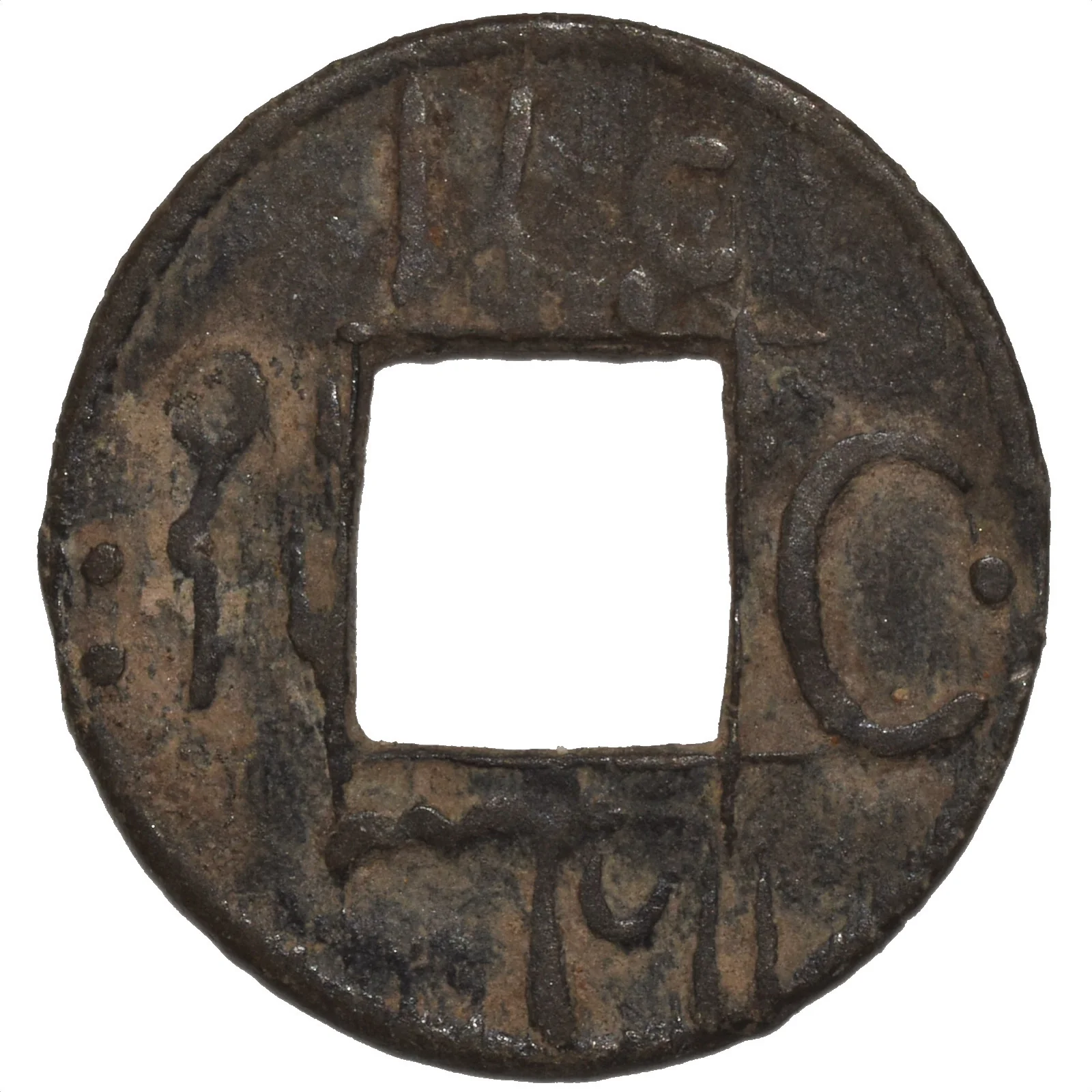
obverse
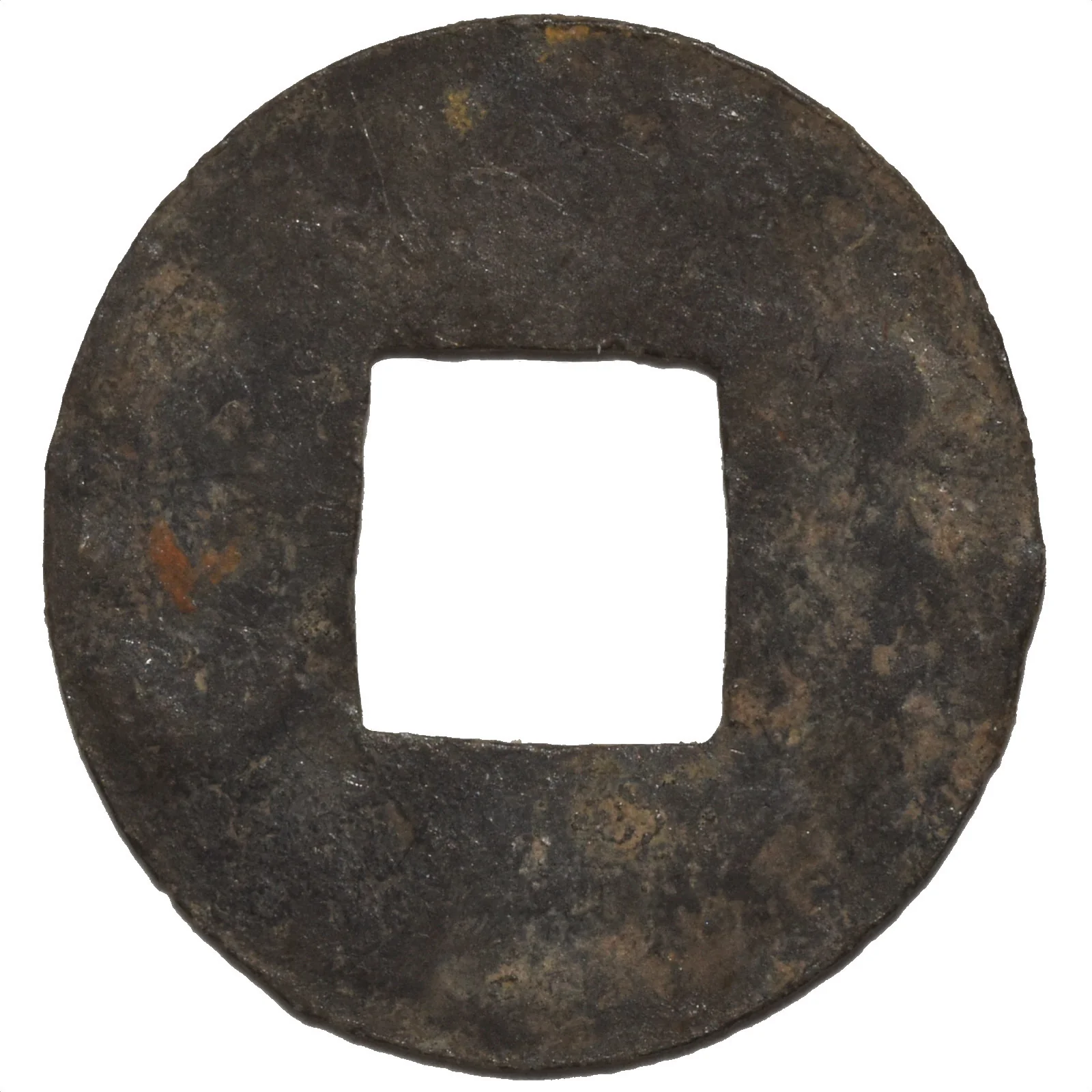
reverse
Cuthwellis

1 Pitis – Sultanate of Palembang

Indonesia
Context
Years: 1658–1710
Country: Indonesia Country flag
Currency:
Demonetized: Yes
Material
Diameter: 16.6 mm
Weight: 0.5 g
Thickness: 0.6 mm
Composition: Tin
Magnetic: No
Technique: Cast
References
KM: #Click to copy to clipboard8
Numista: #86585

Obverse

Description:
Arabic inscription segmented around a central square hole.
Inscription:
علا / مت / سلطا / ن
Script: Arabic

Reverse

Description:
Simple.

Edge

Plain

Mintings

YearMint MarkMintageQualityCollection
BU

Historical background

In 1658, the currency situation within the Sultanate of Palembang was a complex reflection of its dual economic identity: a traditional Malay riverine kingdom and a major node in global trade. The local economy functioned on a system of commodity money, most notably using tin pitis—small, locally minted coins—for everyday transactions. These coins, often pierced for stringing, facilitated market exchanges and tax payments within the hinterlands and the capital. However, the true engine of the sultanate's wealth was international commerce, centered on its strategic control of the Musi River and the export of premium pepper, tin, and forest products.

This trade, dominated by the Dutch East India Company (VOC) but also involving Chinese, Indian, and other Southeast Asian merchants, necessitated a parallel currency system. Consequently, a wide variety of foreign silver coins circulated in the port city, most prominently Spanish Reales (pieces of eight) and Dutch rijksdaalders. These high-value "hard" currencies were essential for large-scale commercial contracts, state finance, and the procurement of luxury imports. The coexistence of low-value tin pitis and high-value foreign silver created a stratified monetary environment.

The Sultanate's authority was expressed through its right to mint the local pitis, but its monetary policy was increasingly constrained by external forces. The 1659 treaty with the VOC (looming on the horizon) would formalize Dutch economic dominance, further entrenching foreign silver in high finance and limiting Palembang's sovereign control over its currency. Thus, in 1658, the monetary landscape was in a state of transition, caught between indigenous tradition and the inexorable pressure of European mercantile power that would soon dictate terms.
🌟 Limited