Logo Title
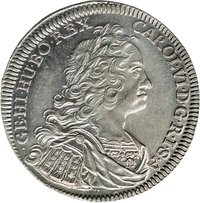
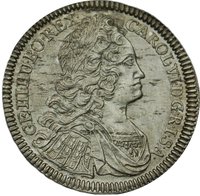
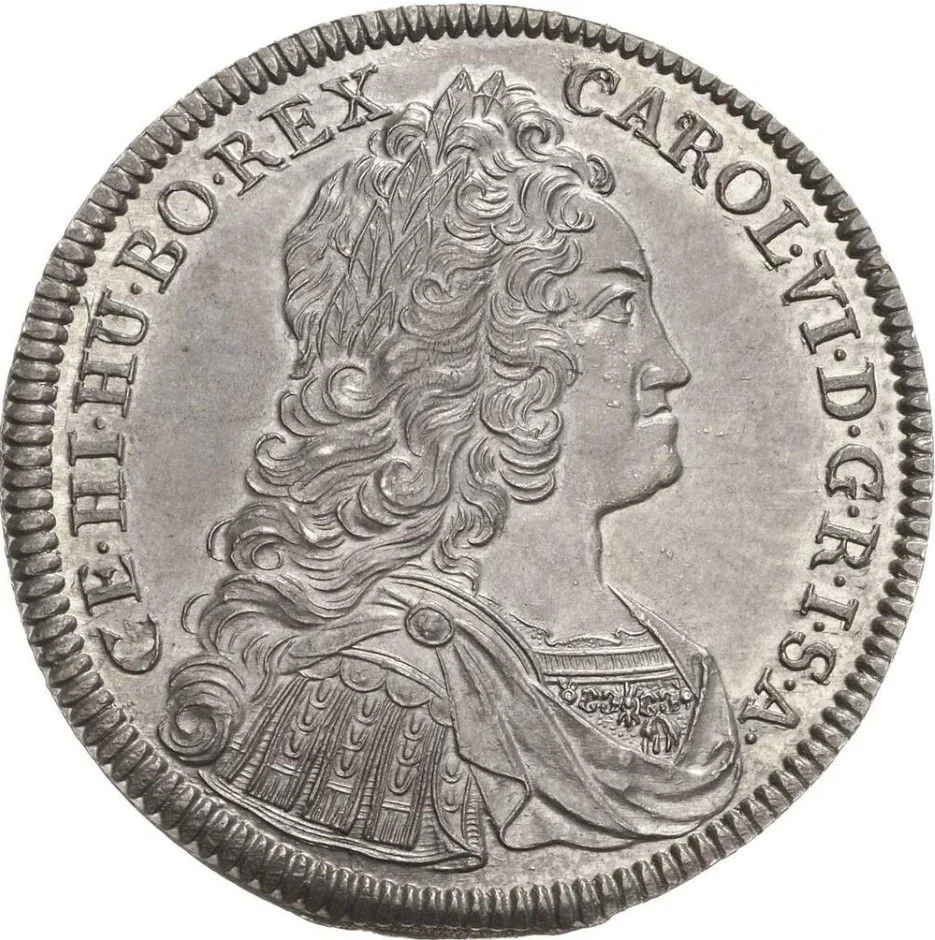
obverse
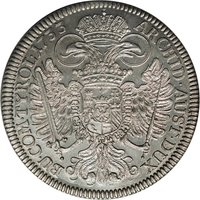
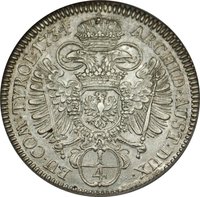
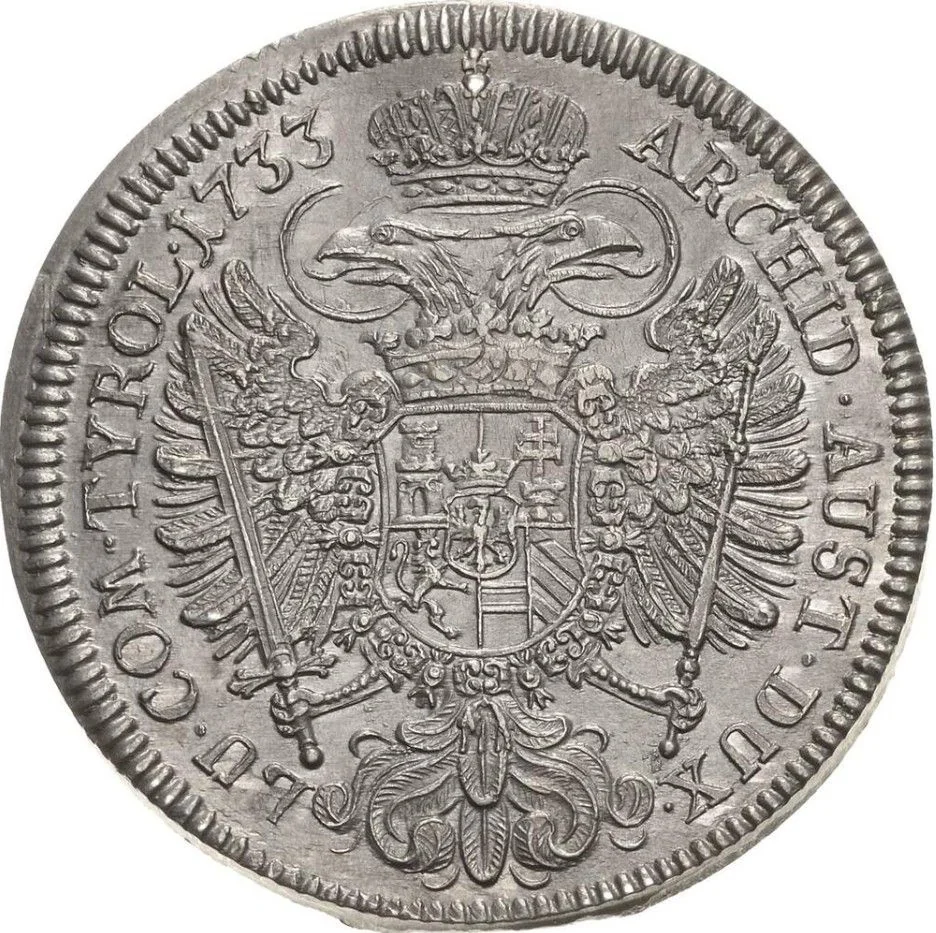
reverse
Leipziger Münzhandlung und Auktion Manfred Höhn
Austria
Context
Year: 1733
Country: Austria Country flag
Currency:
Demonetized: Yes
Material
Diameter: 35 mm
Weight: 14.3 g
Silver weight: 12.51 g
Shape: Round
Composition: 87.5% Silver
Magnetic: No
References
KM: #Click to copy to clipboard1616.2
Numista: #85424
Value
Bullion value: $35.11

Obverse

Description:
Bust ends at rim.
Inscription:
CAROL VI D G R I S A GE HI HU BO REX
Script: Latin

Reverse

Description:
Imperial eagle with composite arms, small Tyrol shield at center. Legend around starts 1h, divided below.
Inscription:
ARCHID AUST DUX BU COM TYROL 1733
Script: Latin

Edge

Plain

Mints

NameMark
Hall

Mintings

YearMint MarkMintageQualityCollection
1733

Historical background

In 1733, the County of Tyrol, a crown land of the Habsburg Monarchy, operated within a complex and challenging monetary landscape. The region was not immune to the pervasive monetary disorders of the early 18th century, characterized by a chaotic mix of circulating coins. Alongside official Habsburg currency, numerous German states' coins, Italian scudi and zechins from the south, and even debased or counterfeit pieces circulated freely. This proliferation of currencies of varying intrinsic value and legitimacy created significant confusion for commerce and facilitated widespread fraud, as the public struggled to assess the true worth of each transaction.

The root of the instability lay in the Habsburg state's chronic fiscal pressures, largely due to military expenditures. The government frequently resorted to manipulating coinage to raise revenue, a practice known as Kipper- und Wipperzeit. This involved officially reducing the silver content in newly minted coins while mandating they be accepted at their old face value, effectively a form of inflation and debt depreciation. By 1733, these practices had led to a severe loss of public confidence. "Good," older coins with higher silver content were hoarded and disappeared from circulation, leaving the economy flooded with "bad," debated new coinage—a classic example of Gresham's Law in action.

Consequently, the Tyrolean economy suffered from erratic prices, hampered trade, and a general sense of financial insecurity. While the Vienna court was aware of the problems, comprehensive reform was slow. The situation in 1733 represented a persistent crisis point, highlighting the tension between the Habsburg central government's fiscal needs and the economic stability of its territories. It set the stage for more concerted, though still only partially successful, monetary reforms that would be attempted in the subsequent decades under Empress Maria Theresa.
Legendary