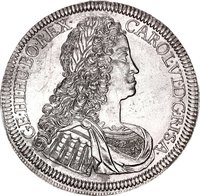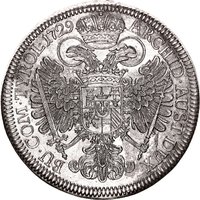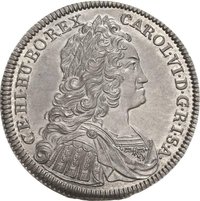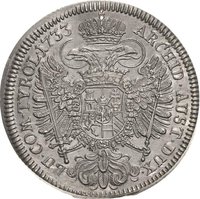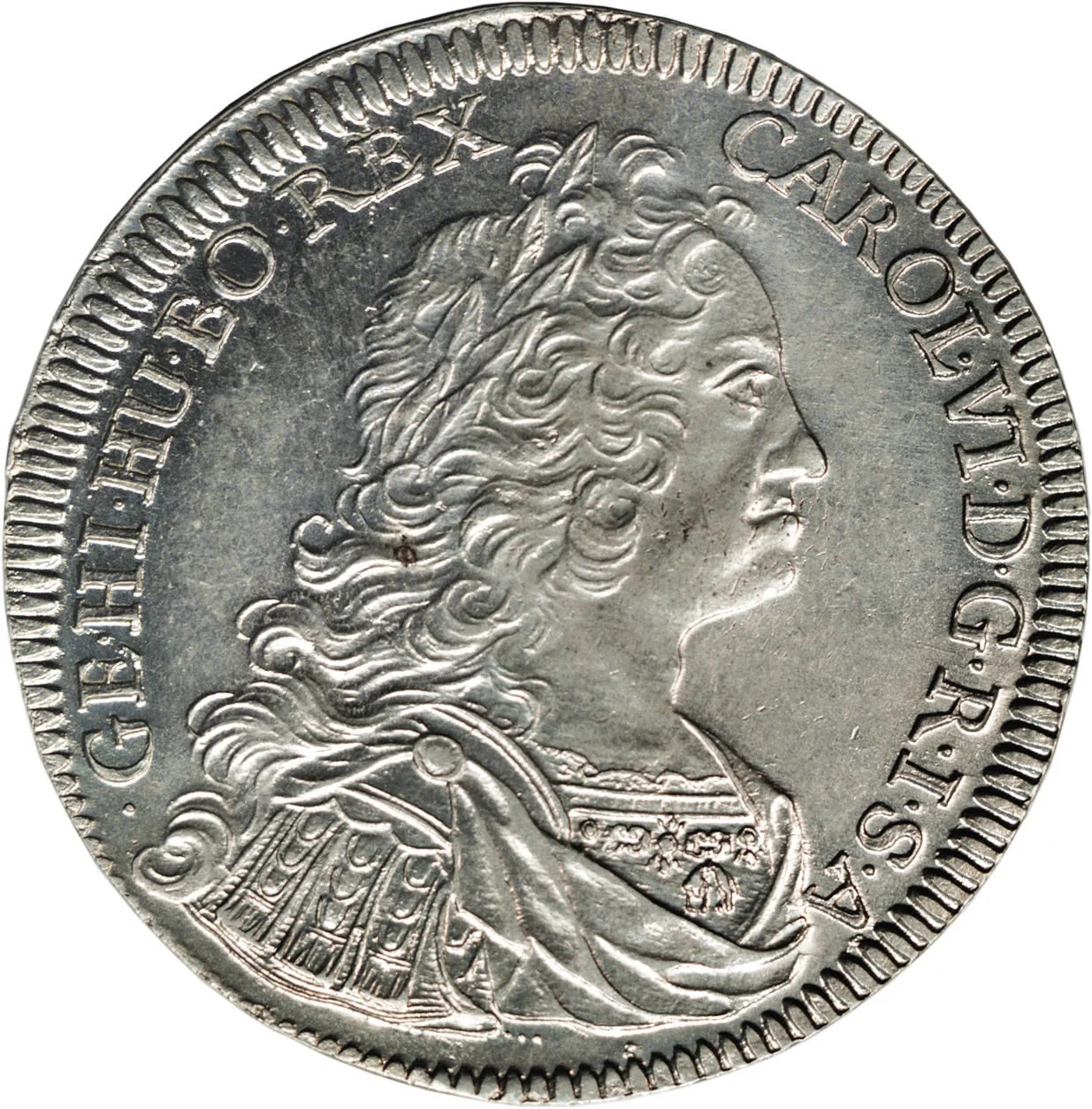
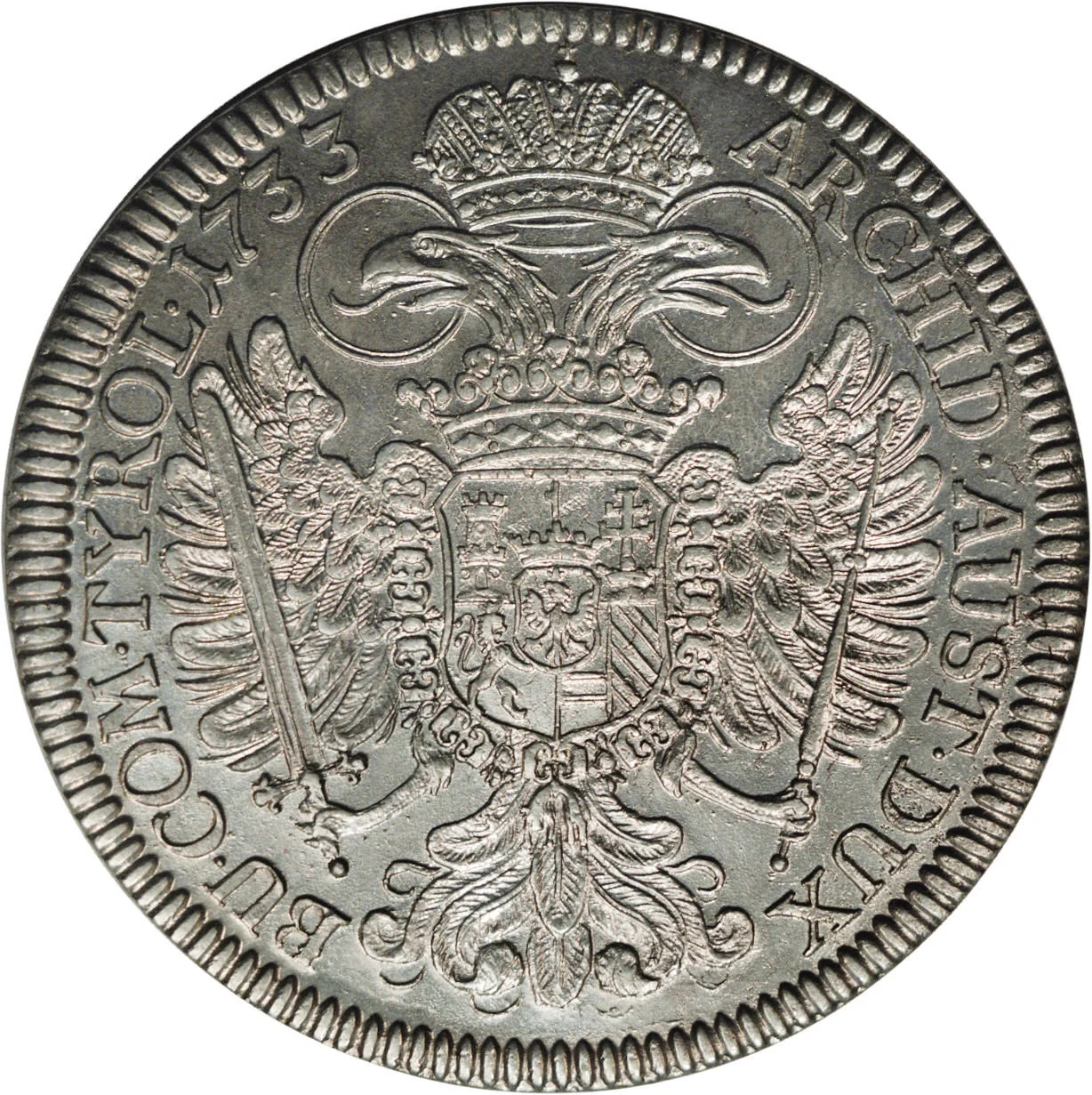
In 1730, the County of Tyrol, a crown land of the Habsburg Monarchy, operated within a complex and challenging monetary landscape. The region was not immune to the pervasive monetary disorders of the early 18th century, characterized by a confusing circulation of both domestic and foreign coins. The official currency was based on the Convention standard, but in practice, Tyrol's economy dealt with a mix of Reichstalers, Gulden, Kreutzer, and a persistent influx of debased coins from neighboring German states. This proliferation of coins of varying intrinsic values and origins created significant difficulties for trade and daily transactions, leading to frequent disputes over exchange rates and authenticity.
The situation was exacerbated by Tyrol's strategic position on major trade routes across the Alps, which made it a natural crossroads for currency from the Italian states, the Holy Roman Empire, and the Habsburg hereditary lands. Local authorities, particularly the
Landschaft (the Tyrolean diet), grappled with the constant need to publish official valuation lists (
Münzpatente) to set exchange rates for the myriad coins in circulation. However, these measures were often reactive and struggled to keep pace with the influx of underweight or clipped coins, leading to Gresham's Law in action—where "bad money drives out good," as people hoarded full-value coins and passed on the debased ones.
Furthermore, the Habsburg state's own financial pressures, stemming from the costs of recent wars and administration, limited its ability to impose a uniform and stable currency. While the central government in Vienna sought greater monetary control, Tyrol retained certain traditional privileges and a degree of autonomy in fiscal matters. Consequently, the currency situation in 1730 Tyrol was one of fragmented authority and practical disorder, where official policy, economic geography, and the realities of cross-border commerce combined to create a monetary environment that was both diverse and unstable, posing an ongoing challenge to the region's economic cohesion.