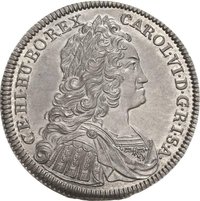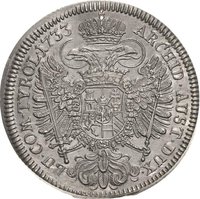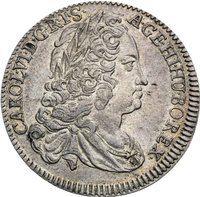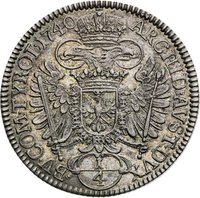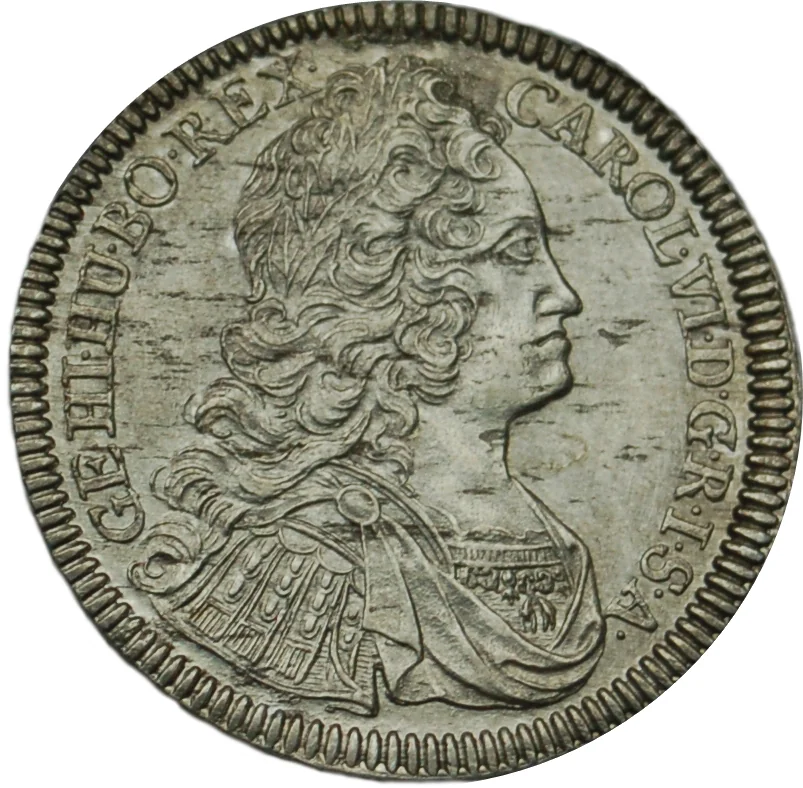
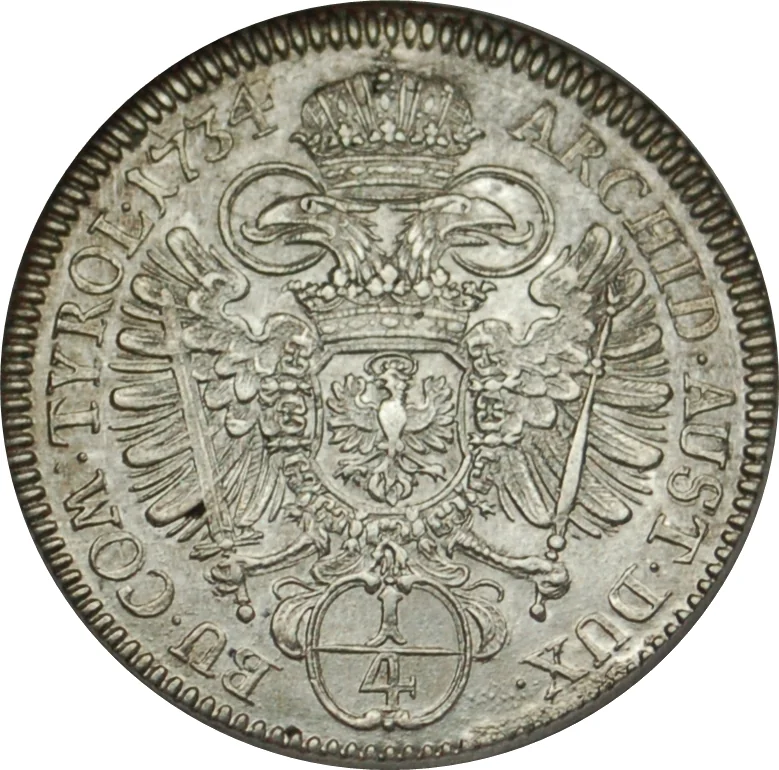
In 1734, the County of Tyrol, a strategic Alpine possession of the Habsburg Monarchy, operated under a complex and strained currency system. The official legal tender was the
Tyrolean Konventionsgulden, a silver coin adhering to the
Convention standard (20 Gulden to the Cologne Mark of fine silver) established by the Holy Roman Empire in 1733. This system aimed to bring order to the myriad of coins circulating across German states, but its implementation in Tyrol was challenging. The region's economy, heavily reliant on mining, transit trade, and small-scale farming, also saw widespread circulation of older, debased
Kreuzer coins and various foreign currencies from neighboring Italian and German states, leading to frequent confusion and disputes over exchange rates.
The monetary situation was further pressured by the financial demands of the Habsburg central government in Vienna, especially in the context of the
War of the Polish Succession (1733-1738). While Tyrol itself was not a primary battlefield, the Habsburgs required revenue and men, straining local resources. This period saw a persistent tension between the need for sound coinage to facilitate local commerce and the imperial temptation to engage in
coin debasement—reducing the precious metal content—to generate short-term funds for military expenditures. The Tyrolean estates (
Landtag) historically guarded their fiscal privileges and would have resisted such debasement to protect the local economy from inflation.
Consequently, the currency environment in Tyrol in 1734 was one of fragile duality. On one hand, a new imperial standard was formally in place, promoting stability and integration with broader Habsburg lands. On the other, the practical reality was a fragmented circulation of various coins, underpinned by the constant threat of devaluation driven by Vienna's wartime finances. This created an atmosphere of uncertainty for merchants and peasants alike, where the intrinsic value of a coin could be as important as its face value, and where the economic health of the county was subtly tied to distant geopolitical conflicts.