

2 Bolognini – Bologna
Italy
Context
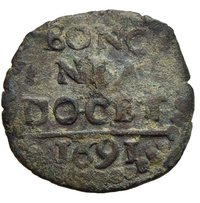
Years: 1691–1700
Country: Italy 
Issuer: Bologna
Ruler: Innocent XII
Currency:
(1534—1835)
Demonetization: 1861
Material
References
KM: #Click to copy to clipboard117
Numista: #84286
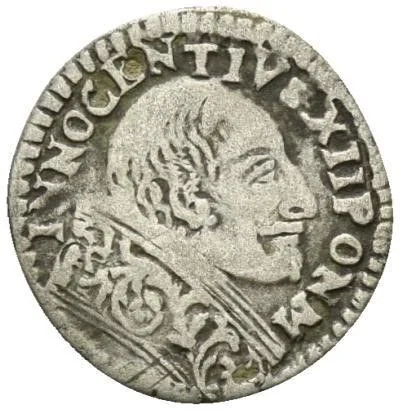
Obverse
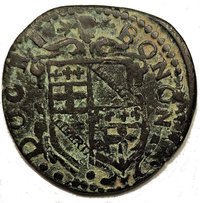
Description:
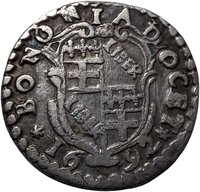
Bust of Pope Innocent XII, right profile.
Inscription:
INNOCENTVS XII.PON.M
Script: Latin
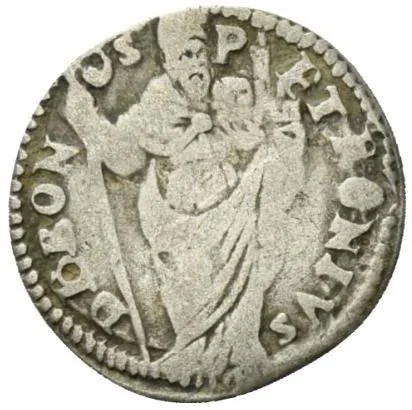
Reverse
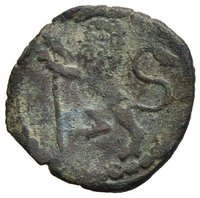
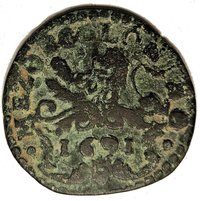
Description:
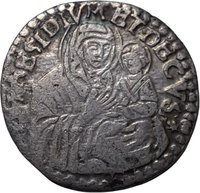
Saint Petronius stands, holding a crozier and a city model.
Inscription:
S PETRONIVS DE BON
Script: Latin
Edge
Plain
Categories
| Religion> Religious objects |
| Person> Monarch |
| Person> Religious figure |
Mints
| Name | Mark |
|---|---|
| Bologna | — |
Mintings
| Year | Mint Mark | Mintage | Quality | Collection |
|---|---|---|---|---|
| — | — | — |
Historical background
In 1691, Bologna found itself in a precarious monetary situation, caught between the declining value of its local currency and the economic policies of the Papal States, to which it belonged. The city, like much of Italy, operated on a bimetallic system of gold scudi and silver lire, but the chronic shortage of precious metals led to the proliferation of debased coinage and widespread counterfeiting. The value of the Bolognese lira had been eroding for decades, a process accelerated by the financial demands of various European wars, which drained silver from the papal territories to fund military campaigns and subsidies to allied powers.
The specific crisis was characterized by a severe "agio," or premium, on full-weight coins. While the state minted new coins with official face values, their intrinsic metal content was often lower, causing older, purer coins to be hoarded or traded at a premium. This created a two-tiered economy where everyday transactions were conducted in increasingly worthless small change, causing inflation and hardship for common citizens, while merchants and large-scale transactions demanded payment in "good money." The Papal government's attempts to fix exchange rates by decree were largely ineffective against market forces and speculative practices.
Local authorities in Bologna grappled with these issues through petitions to Rome and temporary measures, but fundamental solutions were elusive. The situation disrupted commerce, bred public discontent, and highlighted the tension between Bologna's historic municipal institutions and the centralized financial control of the Papacy. Ultimately, the currency instability of 1691 was a symptom of broader seventeenth-century economic strains, where the mismatch between fiscal demands, monetary supply, and bullion availability created persistent turmoil in regional economies across Europe.
The specific crisis was characterized by a severe "agio," or premium, on full-weight coins. While the state minted new coins with official face values, their intrinsic metal content was often lower, causing older, purer coins to be hoarded or traded at a premium. This created a two-tiered economy where everyday transactions were conducted in increasingly worthless small change, causing inflation and hardship for common citizens, while merchants and large-scale transactions demanded payment in "good money." The Papal government's attempts to fix exchange rates by decree were largely ineffective against market forces and speculative practices.
Local authorities in Bologna grappled with these issues through petitions to Rome and temporary measures, but fundamental solutions were elusive. The situation disrupted commerce, bred public discontent, and highlighted the tension between Bologna's historic municipal institutions and the centralized financial control of the Papacy. Ultimately, the currency instability of 1691 was a symptom of broader seventeenth-century economic strains, where the mismatch between fiscal demands, monetary supply, and bullion availability created persistent turmoil in regional economies across Europe.
Series: 1691 Bologna circulation coins
✨ Legendary