

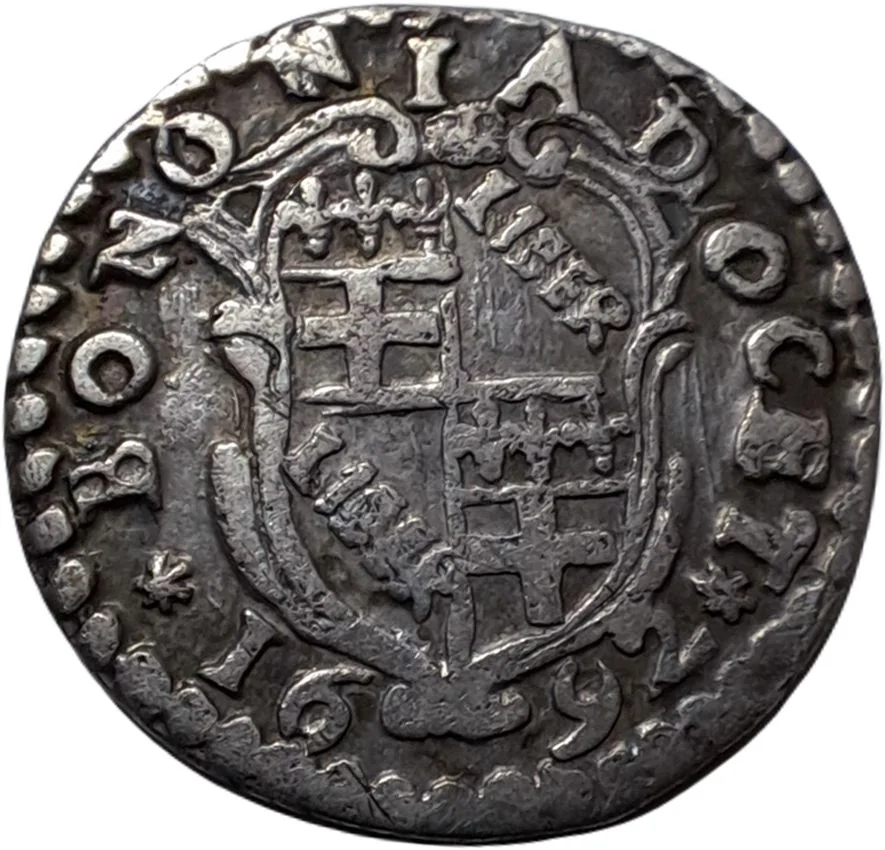
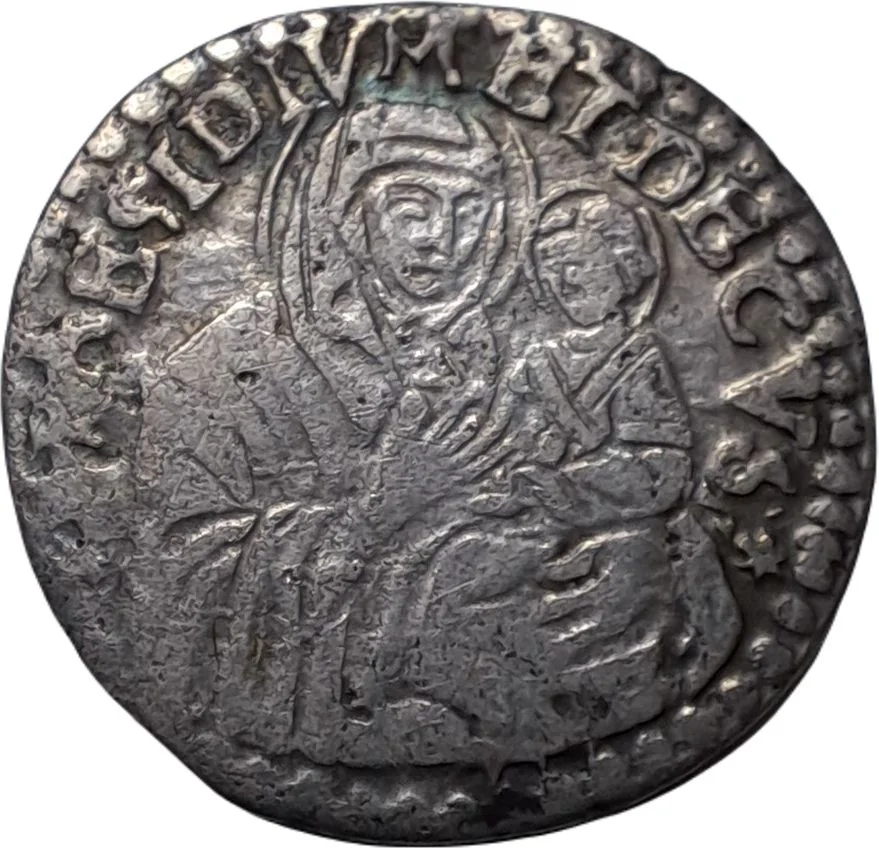
1 Carlin – Bologna
Italy
Context
Year: 1692
Country: Italy 
Issuer: Bologna
Ruler: Innocent XII
Currency:
(1534—1835)
Demonetized: Yes
Material
References
KM: #Click to copy to clipboard122
Numista: #448406
Value
Bullion value: $4.66
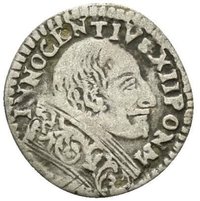
Obverse
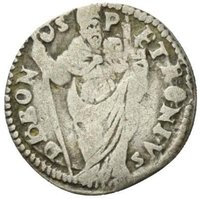
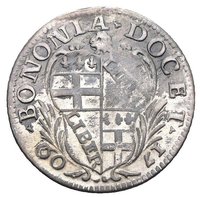
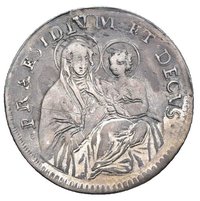
Reverse
Edge
Mints
| Name | Mark |
|---|---|
| Bologna | — |
Mintings
| Year | Mint Mark | Mintage | Quality | Collection |
|---|---|---|---|---|
| 1692 | — | — |
Historical background
In 1692, Bologna, a major city within the Papal States, operated within a complex and often unstable monetary system. The city did not mint its own coins but used a mixture of currencies, primarily papal scudi and giuli, alongside a plethora of older regional and foreign coins that circulated from neighbouring states like Venice and Tuscany. The official accounting, however, was conducted in lire, soldi, and denari, a purely imaginary money of account used to give a fixed value to the fluctuating metal content of the physical coins. This created a constant tension between the theoretical "bank money" and the actual "current money" in everyday trade, with exchange rates and agio (premiums) set by bankers and money-changers.
The period was marked by severe monetary debasement and scarcity of sound coinage. The Papal government, facing fiscal pressures, frequently reduced the silver content in its coinage, leading to inflation and a classic instance of Gresham's Law, where "bad money drives out good." People hoarded older, higher-value coins, while only the newer, debased pieces remained in active circulation. This erosion of trust in the currency disrupted commerce, complicated tax collection, and caused significant hardship for the populace, as wages failed to keep pace with rising prices for basic goods.
Local authorities in Bologna attempted to respond by periodically issuing grida (public edicts) that fixed legal exchange rates between the various coins and the money of account. However, these decrees were largely ineffective against market forces and the overarching monetary policy set in Rome. The situation in 1692 was therefore one of profound instability, where daily transactions required expert knowledge of a chaotic monetary landscape, undermining economic confidence and reflecting the broader fiscal strains of the Papal States in the late 17th century.
The period was marked by severe monetary debasement and scarcity of sound coinage. The Papal government, facing fiscal pressures, frequently reduced the silver content in its coinage, leading to inflation and a classic instance of Gresham's Law, where "bad money drives out good." People hoarded older, higher-value coins, while only the newer, debased pieces remained in active circulation. This erosion of trust in the currency disrupted commerce, complicated tax collection, and caused significant hardship for the populace, as wages failed to keep pace with rising prices for basic goods.
Local authorities in Bologna attempted to respond by periodically issuing grida (public edicts) that fixed legal exchange rates between the various coins and the money of account. However, these decrees were largely ineffective against market forces and the overarching monetary policy set in Rome. The situation in 1692 was therefore one of profound instability, where daily transactions required expert knowledge of a chaotic monetary landscape, undermining economic confidence and reflecting the broader fiscal strains of the Papal States in the late 17th century.
✨ Legendary