

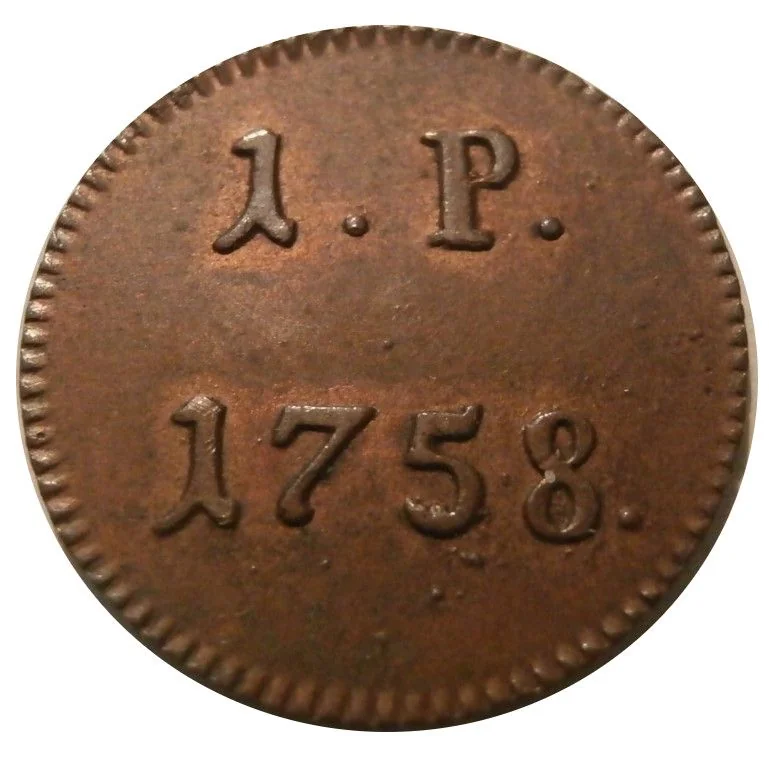
1 Pfennig – Kingdom of Bohemia
Context
Years: 1757–1758
Country: Bohemia
Issuer: Kingdom of Bohemia
Ruler: Maria Theresa
Currency:
(1754—1857)
Demonetized: Yes
Material
References
KM: #Click to copy to clipboard780
Numista: #84004
Obverse
Description:
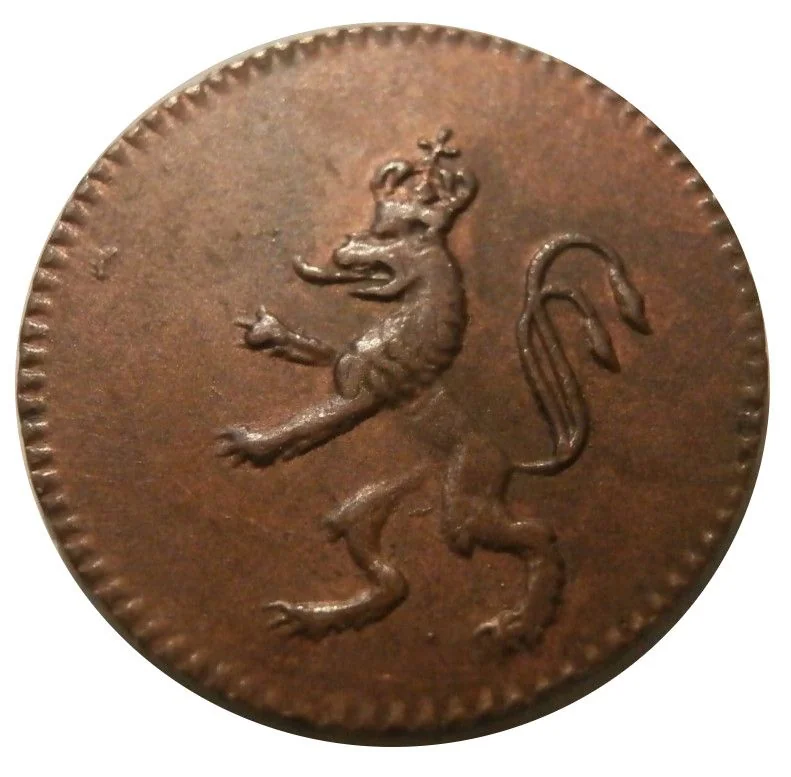
Lion of Bohemia.
Reverse
Edge
Mints
| Name | Mark |
|---|---|
| Prague | — |
Mintings
| Year | Mint Mark | Mintage | Quality | Collection |
|---|---|---|---|---|
| 1757 | — | — | ||
| 1758 | — | — |
Historical background
In 1757, the Kingdom of Bohemia, a core territory of the Habsburg Monarchy, was in a state of severe monetary instability, deeply entangled in the continental conflict of the Seven Years' War. The primary currency in circulation was the Conventionsthaler, established in 1753, which was supposed to standardize the silver content across the Habsburg lands. However, the enormous financial strain of funding the war against Prussia led the state to engage in rampant debasement. The Vienna mint, responsible for Bohemian coinage, drastically reduced the silver content in newly minted coins while officially maintaining their face value, a practice that flooded the market with inferior currency and eroded public trust.
This debasement created a chaotic "two-tier" currency system. Older, full-weight coins (known as Banco money) were hoarded by the population or used for foreign trade, disappearing from daily circulation. Meanwhile, the new, lightweight coins (known as Courant or Scheidemünze) became the common medium of exchange, but were heavily discounted in private transactions. This led to price inflation, commercial disruption, and widespread confusion, as the actual value of a coin depended not on its stamp but on its weight and date of minting. The situation was exacerbated by the Prussian occupation of key parts of Bohemia, including Prague for a period in 1757, which disrupted economic activity and saw demands for war contributions paid in sound money.
Consequently, the monetary landscape in Bohemia in 1757 was one of crisis and contradiction. The government's fiscal policy, aimed at funding the military, directly undermined the stability of its own currency. This resulted in a loss of confidence in the monetary system, hidden inflation, and a effective devaluation that burdened the common populace. The situation would persist throughout the war, leaving a legacy of financial disorder that required significant reform under Empress Maria Theresa in the following decades to restore the integrity of the Habsburg currency.
This debasement created a chaotic "two-tier" currency system. Older, full-weight coins (known as Banco money) were hoarded by the population or used for foreign trade, disappearing from daily circulation. Meanwhile, the new, lightweight coins (known as Courant or Scheidemünze) became the common medium of exchange, but were heavily discounted in private transactions. This led to price inflation, commercial disruption, and widespread confusion, as the actual value of a coin depended not on its stamp but on its weight and date of minting. The situation was exacerbated by the Prussian occupation of key parts of Bohemia, including Prague for a period in 1757, which disrupted economic activity and saw demands for war contributions paid in sound money.
Consequently, the monetary landscape in Bohemia in 1757 was one of crisis and contradiction. The government's fiscal policy, aimed at funding the military, directly undermined the stability of its own currency. This resulted in a loss of confidence in the monetary system, hidden inflation, and a effective devaluation that burdened the common populace. The situation would persist throughout the war, leaving a legacy of financial disorder that required significant reform under Empress Maria Theresa in the following decades to restore the integrity of the Habsburg currency.
✨ Legendary