

12 Skilling – Denmark
Denmark
Context

Material
References
KM: #Click to copy to clipboard495
Numista: #83236
Value
Bullion value: $6.36
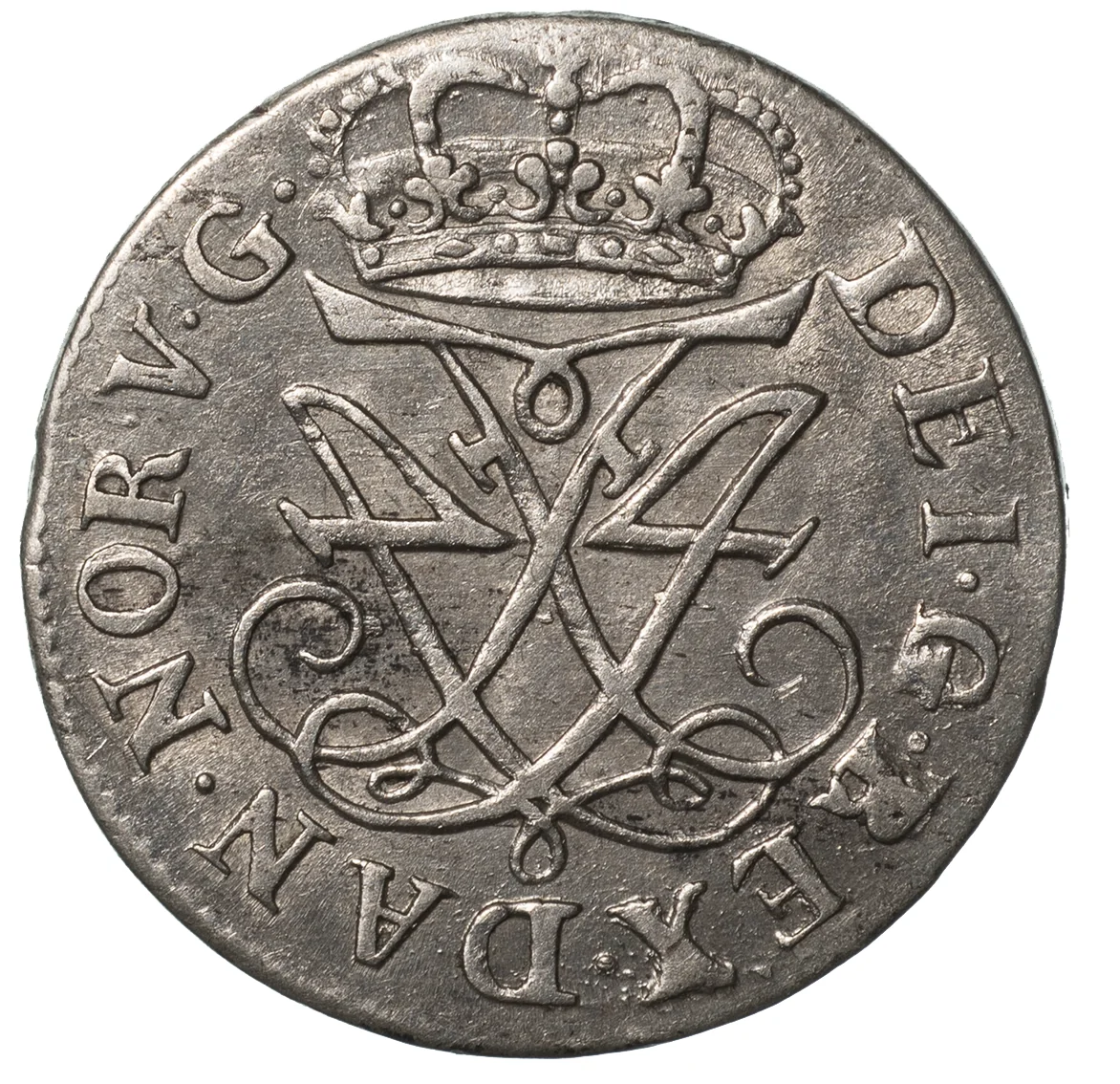
Obverse
Description:
Crowned double monogram. Rim inscription below.
Inscription:
4FF4
DEI • G • REX • DAN • NOR • V • G •
DEI • G • REX • DAN • NOR • V • G •
Script: Latin
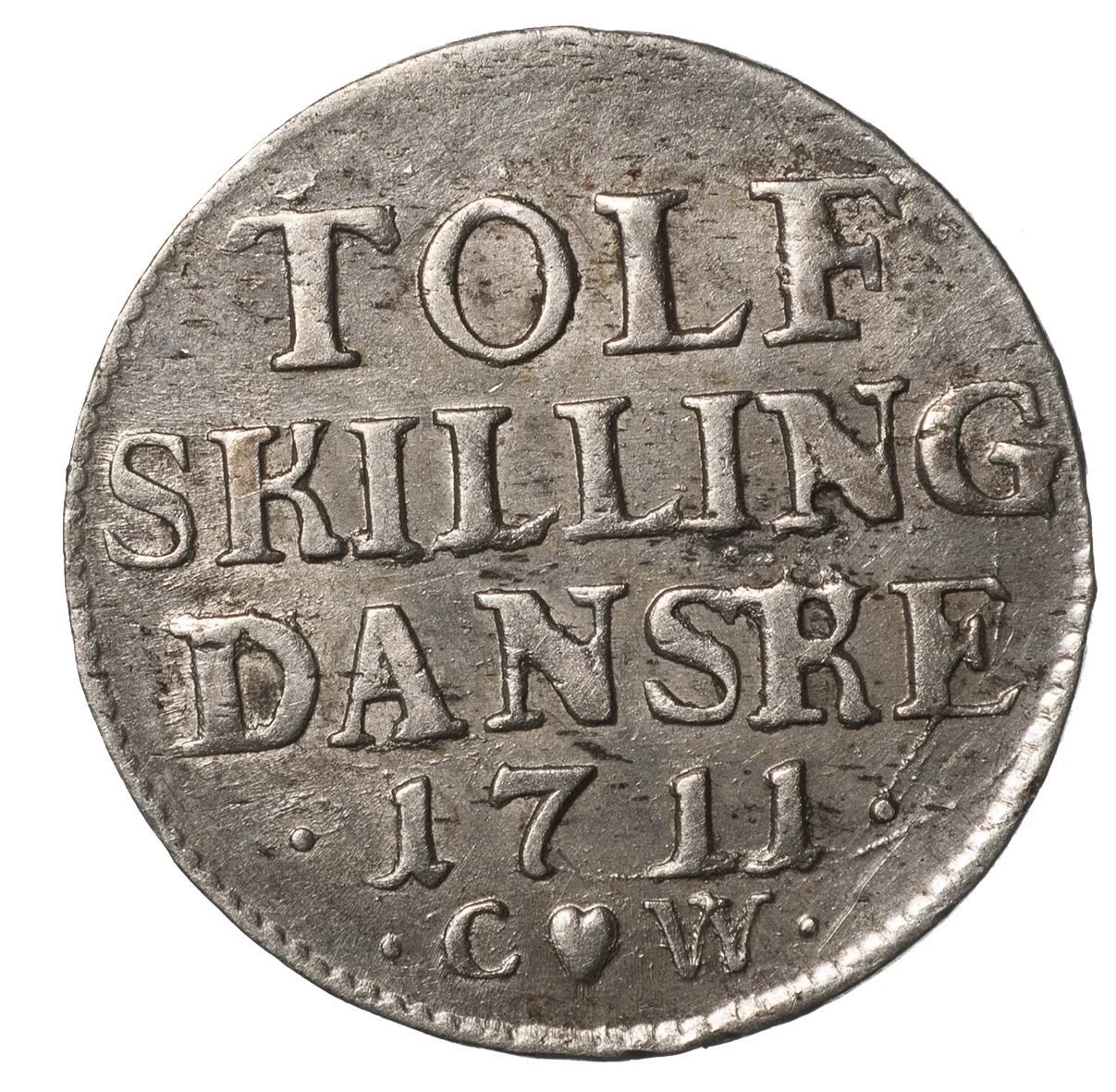
Reverse
Description:
Value and date above.
Mintmark below, centered heart.
Mintmark below, centered heart.
Inscription:
TOLF
SKILLING
DANSKE
• 1711 •
• C ♥ W •
SKILLING
DANSKE
• 1711 •
• C ♥ W •
Script: Latin
Edge
Plain
Mints
| Name | Mark |
|---|---|
| Copenhagen | ♥ |
Mintings
| Year | Mint Mark | Mintage | Quality | Collection |
|---|---|---|---|---|
| 1710 | CW; | — | ||
| 1711 | CW; | — |
Historical background
In 1710, Denmark found itself in a precarious monetary situation, a direct consequence of the immense financial strain of the Great Northern War (1700-1721). King Frederick IV’s alliance with Russia and Saxony against Sweden was devastatingly expensive, forcing the state to resort to severe currency debasement. The silver content of coins was repeatedly reduced to mint more money from dwindling bullion reserves, leading to a proliferation of low-quality coins and a sharp decline in public trust in the currency.
This period was characterized by a chaotic dual-currency system. The official kurant currency, theoretically based on silver, had become so degraded it circulated at a steep discount to its face value. Alongside it existed the species currency—older, full-weight silver coins like the riksdaler that people hoarded due to their intrinsic value. This created a destructive cycle where good money was driven out of circulation (Gresham’s Law), inflation soared, and foreign trade was hampered by a lack of reliable, accepted coinage.
The crisis of 1710 was a pivotal moment that exposed the limits of royal fiscal manipulation. While temporary measures were enacted, the profound instability ultimately paved the way for major reforms later in the century. The experience underscored the necessity of a stable, silver-backed currency, a lesson that would lead to the establishment of the Danish Rigsbank in 1736 and the eventual creation of a more robust and unified monetary system.
This period was characterized by a chaotic dual-currency system. The official kurant currency, theoretically based on silver, had become so degraded it circulated at a steep discount to its face value. Alongside it existed the species currency—older, full-weight silver coins like the riksdaler that people hoarded due to their intrinsic value. This created a destructive cycle where good money was driven out of circulation (Gresham’s Law), inflation soared, and foreign trade was hampered by a lack of reliable, accepted coinage.
The crisis of 1710 was a pivotal moment that exposed the limits of royal fiscal manipulation. While temporary measures were enacted, the profound instability ultimately paved the way for major reforms later in the century. The experience underscored the necessity of a stable, silver-backed currency, a lesson that would lead to the establishment of the Danish Rigsbank in 1736 and the eventual creation of a more robust and unified monetary system.
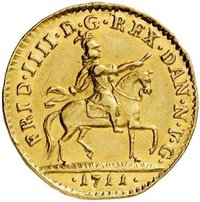
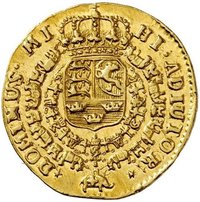
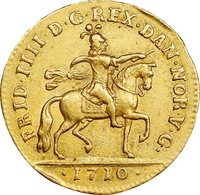
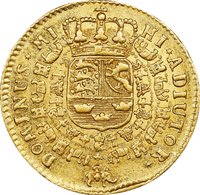
💎 Extremely Rare