

1 Rupee – Madras Presidency
India
Context

Material
References
KM: #Click to copy to clipboardA302
Numista: #82882
Value
Bullion value: $33.11
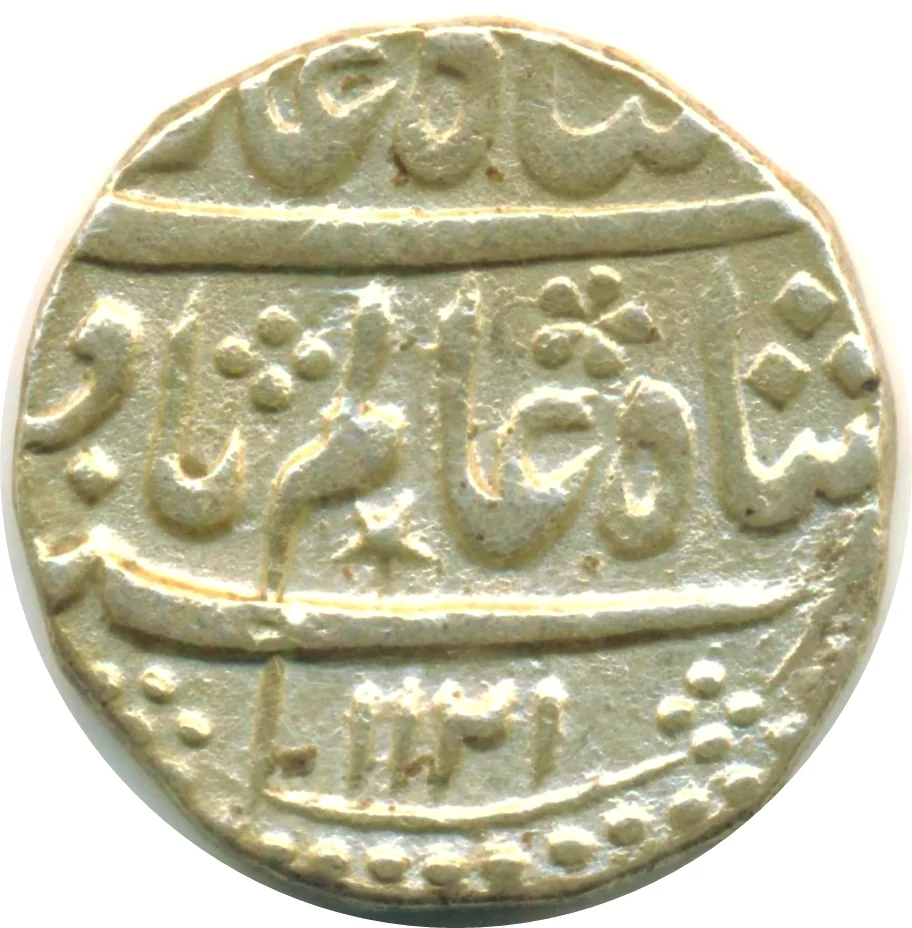
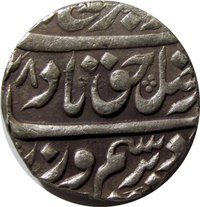
Obverse
Description:
Shah Alam, warrior emperor. Year AH [date].
Inscription:
١١٢١
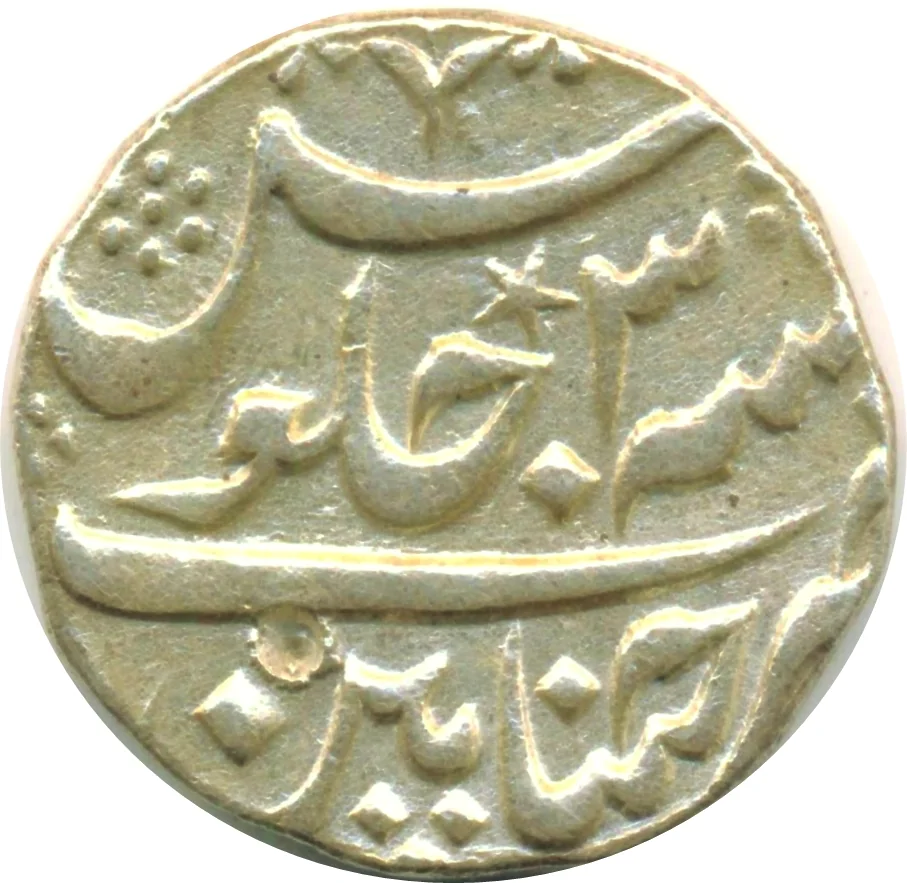
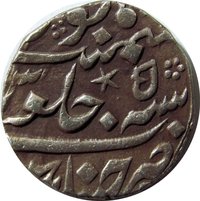
Reverse
Description:
Zarb Chinapatan, Year (RY) julus
Inscription:
٣
Edge
Plain
Mintings
| Year | Mint Mark | Mintage | Quality | Collection |
|---|---|---|---|---|
| 1707 | — | — | ||
| 1708 | — | — | ||
| 1708 | — | — | ||
| 1709 | — | — | ||
| 1709 | — | — | ||
| 1710 | — | — | ||
| 1710 | — | — | ||
| 1711 | — | — | ||
| 1711 | — | — | ||
| 1712 | — | — | ||
| 1712 | — | — |
Historical background
In 1707, the currency situation in the Madras Presidency was complex and transitional, reflecting its position as a key node of the English East India Company (EIC) within the wider Mughal monetary system. The primary circulating currency was the silver rupee, predominantly the Mughal Arcot rupee minted in the nearby Nawab of Arcot's territories. However, the system was not uniform; a plethora of other silver and gold coins from various Indian kingdoms, as well as European trade coins like Spanish dollars and Portuguese xeraphims, also circulated, requiring constant assessment of weight and purity. The EIC's own mint at Fort St. George primarily struck smaller copper coins—cash or dub—for local petty trade, while relying on the broader indigenous system for high-value transactions.
This monetary landscape was directly strained by the political upheaval following the death of the Mughal Emperor Aurangzeb in 1707. The ensuing succession crisis and the rapid decline of central Mughal authority led to regional instability and debasement of coinage by local rulers seeking revenue. For the Madras Presidency, this meant increased uncertainty in the value and reliability of the silver rupees flowing into its port. The EIC’s trade, heavily dependent on silver imports to purchase Indian textiles, was vulnerable to these fluctuations, making accurate accounting and consistent profit remittance to London a significant challenge.
Consequently, the Company administration in Madras was actively seeking greater monetary control. While full sovereignty over currency was still decades away, the year 1707 falls within a period of increasing intervention. The Presidency was working to standardize the rupees accepted in its treasuries, often stamping them with a "Company mark" to guarantee their value for its own use. This practice laid the groundwork for the eventual issuance of the Madras rupee in the later 18th century, representing a slow but steady move from operating within a fragmented Indian system towards imposing a standardized, Company-managed currency.
This monetary landscape was directly strained by the political upheaval following the death of the Mughal Emperor Aurangzeb in 1707. The ensuing succession crisis and the rapid decline of central Mughal authority led to regional instability and debasement of coinage by local rulers seeking revenue. For the Madras Presidency, this meant increased uncertainty in the value and reliability of the silver rupees flowing into its port. The EIC’s trade, heavily dependent on silver imports to purchase Indian textiles, was vulnerable to these fluctuations, making accurate accounting and consistent profit remittance to London a significant challenge.
Consequently, the Company administration in Madras was actively seeking greater monetary control. While full sovereignty over currency was still decades away, the year 1707 falls within a period of increasing intervention. The Presidency was working to standardize the rupees accepted in its treasuries, often stamping them with a "Company mark" to guarantee their value for its own use. This practice laid the groundwork for the eventual issuance of the Madras rupee in the later 18th century, representing a slow but steady move from operating within a fragmented Indian system towards imposing a standardized, Company-managed currency.
✨ Legendary