

1 ducat – Denmark
Add to wishlist
Denmark
Context
Material
References
KM: #
Numista: #82697
Value
Bullion value: $520.90
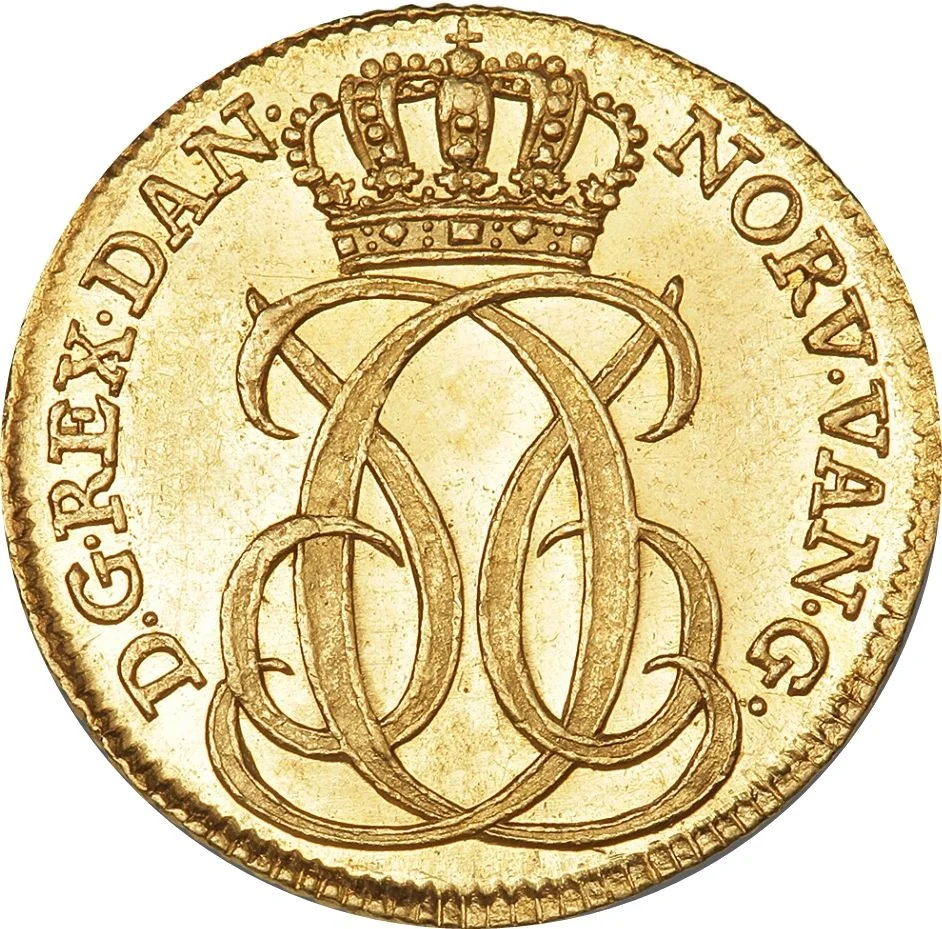
Obverse
Description:
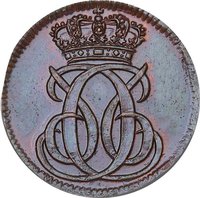
Crowned double monogram divides legend.
Inscription:
C6 6C
D • G • REX • DAN • | NORV • VAN • G •
D • G • REX • DAN • | NORV • VAN • G •
Script: Latin
Reverse
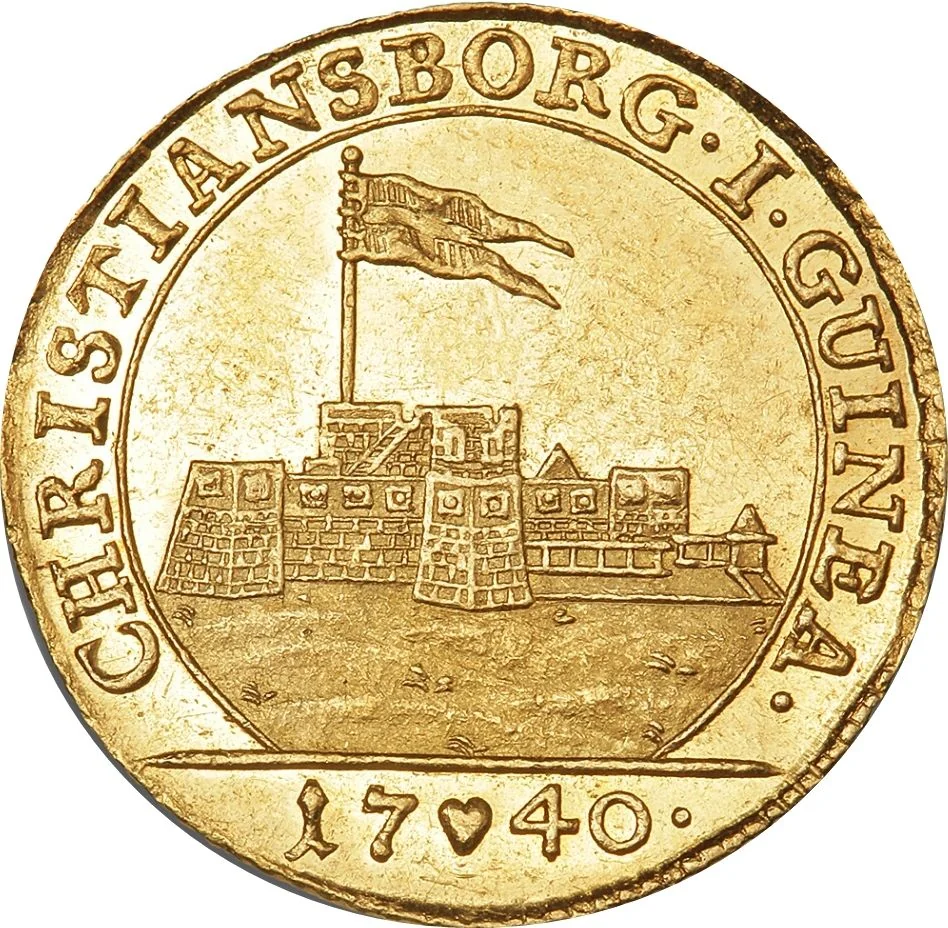
Description:
Christiansborg fortress in circle. Date below, split by small heart.
Inscription:
CHRISTIANSBORG • I • GUINEA •
17 ♥ 40.
17 ♥ 40.
Script: Latin
Edge
Categories
| Building> Castle or fortification |
Mints
| Name | Mark |
|---|---|
| Copenhagen | ♥ |
| Royal Danish Mint | ♥ |
Historical background
In 1738, Denmark operated under a silver standard, with the rigsdaler specie as the primary unit of account. However, the monetary system was strained and complex. A chronic shortage of physical silver coinage, particularly smaller denominations for daily trade, plagued the economy. This scarcity was exacerbated by the widespread circulation of foreign coins, especially German and Dutch, and the use of overvalued "credit" coins (kreditmønter) issued by the state, which had a lower silver content than their face value. The result was a messy and inefficient multi-currency environment that hampered commerce and state finances.
The situation was further complicated by the policies of the absolute monarchy under King Christian VI. The state, frequently engaged in costly mercantilist projects and facing budgetary pressures, had resorted to periodic debasements—reducing the silver content in newly minted coins to generate seigniorage revenue. This practice, while providing short-term fiscal relief, undermined confidence in the currency. Furthermore, the Danish state had a vested interest in the monetary affairs of the Duchies of Schleswig and Holstein, which were under the Danish crown but maintained distinct monetary systems, adding another layer of administrative difficulty.
Consequently, by 1738, discussions on monetary reform were likely simmering within government circles. The system was recognized as dysfunctional, creating uncertainty for merchants, encouraging hoarding of full-value specie, and distorting prices. While a major reform would not be enacted until the introduction of the rigsdaler courant in 1747, the conditions of 1738 represented a tipping point of accumulated problems, setting the stage for the crown's eventual move to streamline the currency, establish a more stable token coinage for small transactions, and assert greater control over the monetary supply within its realms.
The situation was further complicated by the policies of the absolute monarchy under King Christian VI. The state, frequently engaged in costly mercantilist projects and facing budgetary pressures, had resorted to periodic debasements—reducing the silver content in newly minted coins to generate seigniorage revenue. This practice, while providing short-term fiscal relief, undermined confidence in the currency. Furthermore, the Danish state had a vested interest in the monetary affairs of the Duchies of Schleswig and Holstein, which were under the Danish crown but maintained distinct monetary systems, adding another layer of administrative difficulty.
Consequently, by 1738, discussions on monetary reform were likely simmering within government circles. The system was recognized as dysfunctional, creating uncertainty for merchants, encouraging hoarding of full-value specie, and distorting prices. While a major reform would not be enacted until the introduction of the rigsdaler courant in 1747, the conditions of 1738 represented a tipping point of accumulated problems, setting the stage for the crown's eventual move to streamline the currency, establish a more stable token coinage for small transactions, and assert greater control over the monetary supply within its realms.
✨ Legendary